Campus Intercom System
Program Overview
Solution Overview

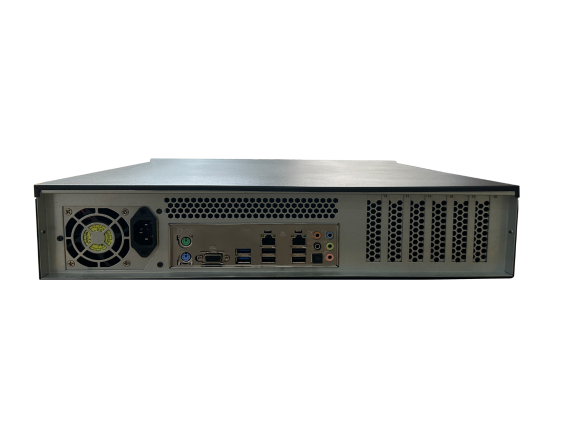
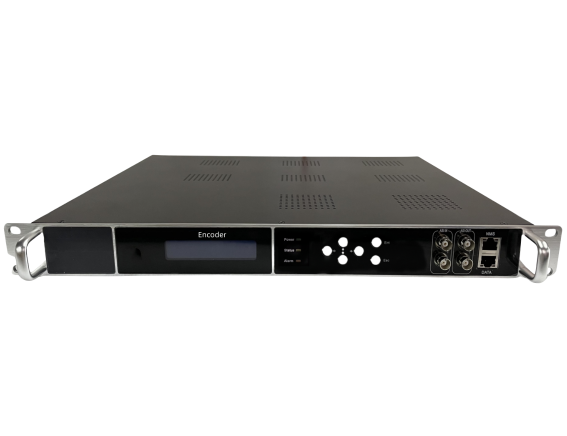
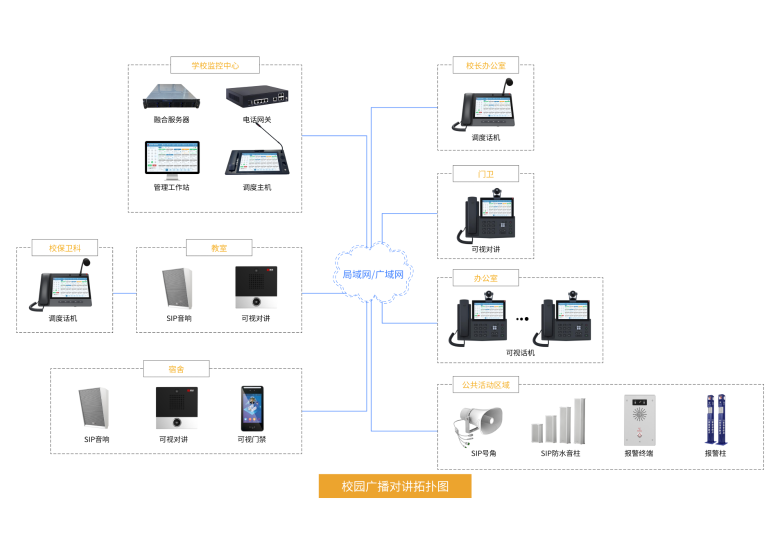
The school broadcasting system is a communication and information dissemination tool specifically designed for educational institutions. It plays a vital role in the daily operations of schools, encompassing emergency response, information dissemination, teaching support, and campus management. The Huishi SIP Broadcast and Intercom Integration System enables seamless interconnection between multiple subsystems—including intercom, broadcasting, access control, surveillance, alarms, and office telephony—facilitating resource sharing and centralised management. This approach reduces system investment and maintenance costs while enhancing oversight efficiency and emergency response capabilities.


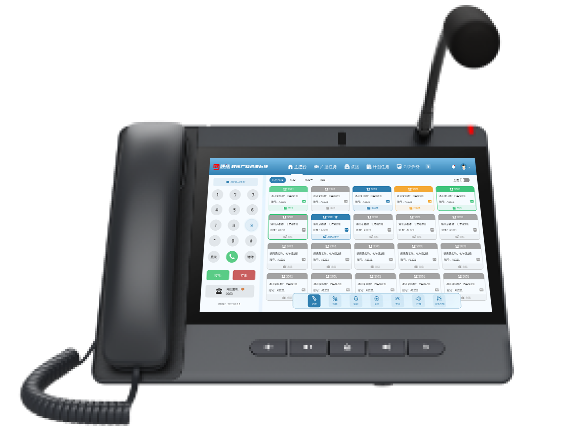
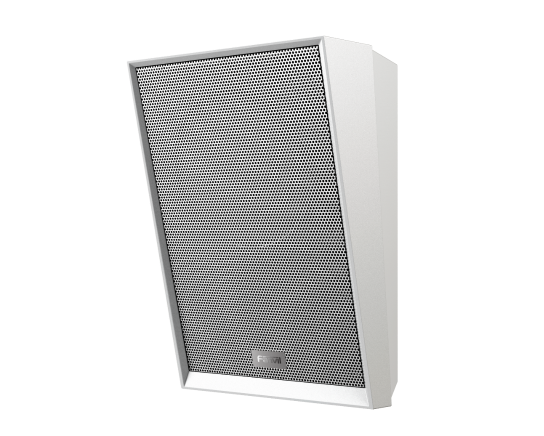
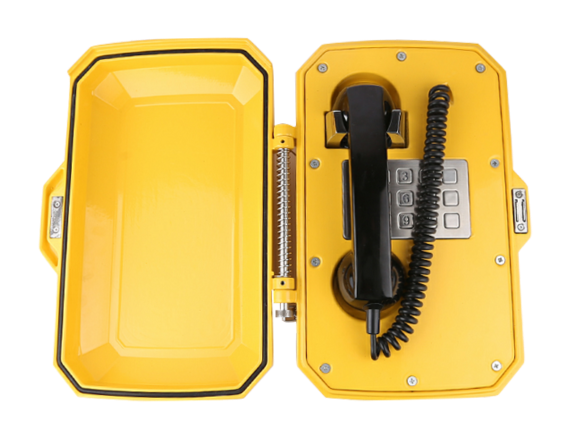
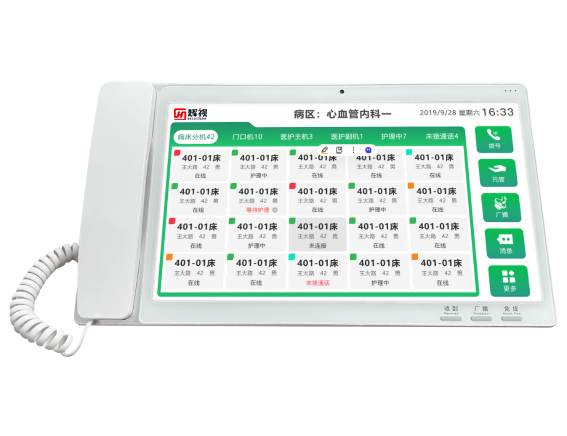
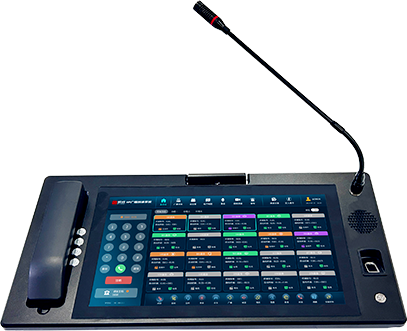
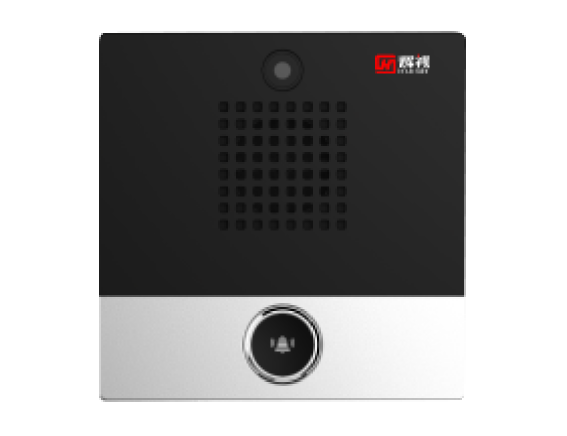
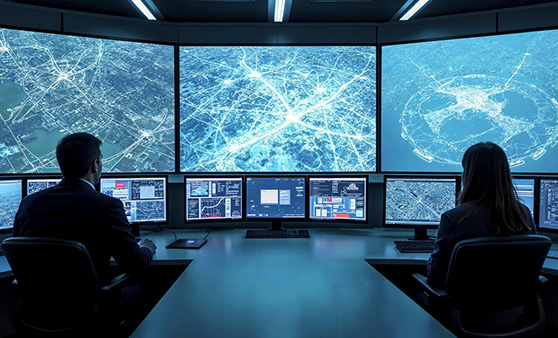
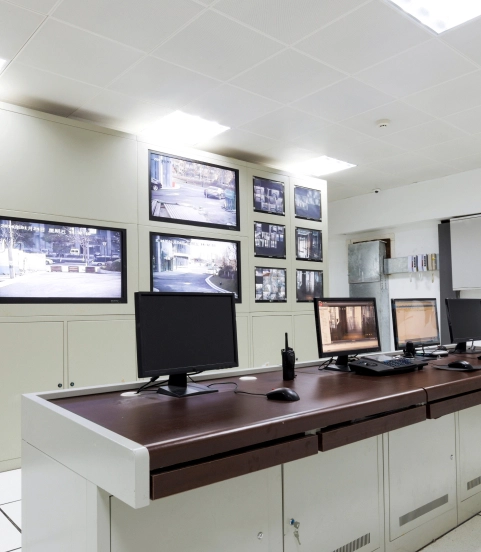
Visualised dispatch consoles and communication telephones are deployed in the Headmaster's Office and School Monitoring Centre as command systems, enabling unified management and real-time monitoring of intelligent terminals across all school security zones. Emergency intercoms and loudspeakers are installed in corridors of teaching and administrative buildings, as well as in security offices. During incidents, pressing the emergency call button alerts the nearest monitoring centre. Should the monitoring centre detect anomalies, it can initiate public address announcements to deter or disperse potential offenders.

系统功能
System Function

01

01

Emergency Broadcast
Rapidly disseminate information during emergencies or unforeseen incidents to guide staff and pupils in implementing safety measures.

02

02

Scheduled broadcast
Play chimes, notifications, or conduct activities such as break exercises according to the scheduled timetable.

03

03

Partitioned broadcasting
Broadcasts can be targeted to specific areas or multiple zones to meet the requirements of different scenarios.

04

04

Two-way intercom
Enables real-time two-way communication between teaching staff, pupils and administrative personnel, thereby enhancing communication efficiency.

05

05

Information Release
Publish campus news, notices, event information, and other updates to enhance transparency.

06

06

Teaching support

Play teaching materials during language instruction or listening practice.

07

07

Access control intercom
Access control video intercom, identity verification, remote door opening.
方案优势
Advantages of the Solution
System Organisational Chart
Enhancing the efficiency of emergency response
Adaptation to Teaching Scenarios
Enhancement of Management Efficiency
System Compatibility Simplification
  • Emergency Alarms Delivered Instantly
    In the event of emergencies such as fires or torrential rain, the system triggers broadcast alerts within seconds, covering areas including teaching buildings, sports grounds, and dormitories. Clear, delay-free voice transmission rapidly conveys evacuation instructions.
  • Multi-Terminal Collaborative Emergency Response
    Security offices, school medical rooms, and academic affairs departments activate one-touch coordination, enabling real-time intercom dispatch and synchronised sharing of on-site information. This reduces emergency response times and enhances campus safety safeguards.
Contact Us
  • Precision-Matching Educational Broadcasts
    Supports scheduled broadcasts of class bells and eye exercises, whilst delivering grade-specific English listening materials and lecture recordings with stable audio quality that does not disrupt other year groups' lessons.
  • Flexible Classroom Interaction Expansion
    Teachers may instantly contact the Academic Affairs Office or General Administration via their terminal to request teaching aids or technical support without leaving the classroom, ensuring uninterrupted teaching continuity.
Contact Us
  • Precise and Controllable Zone Management
    Broadcast zones are delineated by year group and functional areas (such as laboratories and libraries), enabling targeted announcements to specific zones. This prevents information overload caused by campus-wide broadcasts.
  • Remote Operations Reduce Costs and Enhance Efficiency
    Maintenance personnel remotely debug equipment and troubleshoot faults via the backend system, eliminating the need for on-site inspections. This reduces manpower requirements and lowers campus management costs.
Contact Us
  • Multi-system Interoperability and Coordination
    Capable of integrating with campus surveillance systems, automatically triggering broadcast alerts in designated areas upon detecting anomalies (such as student gatherings or disputes). Additionally, it interfaces with access control systems to broadcast visitor notifications.
  • Seamless Integration with Existing Equipment
    Compatible with existing analogue broadcast loudspeakers and intercom terminals, eliminating the need for comprehensive hardware replacement. This reduces retrofitting costs and enables rapid system upgrades.
Contact Us
应用场景
Application scenarios
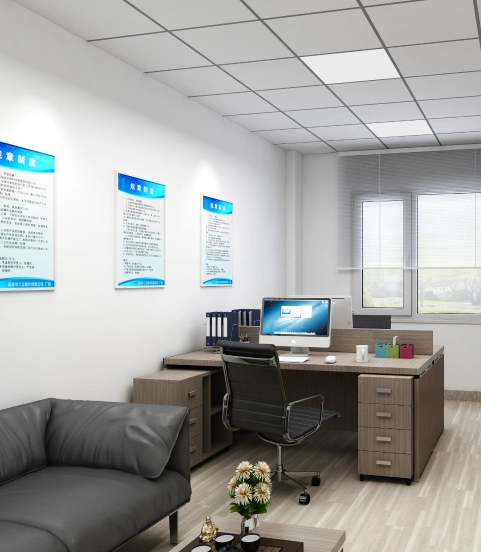
Office
Intercom functionality is available, and broadcasts can be received via telephones or audio systems.
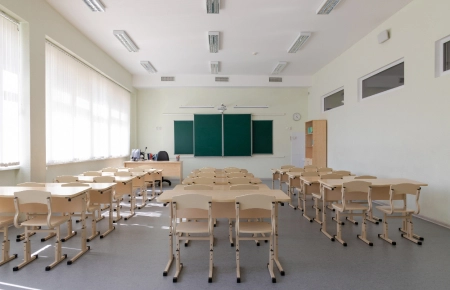
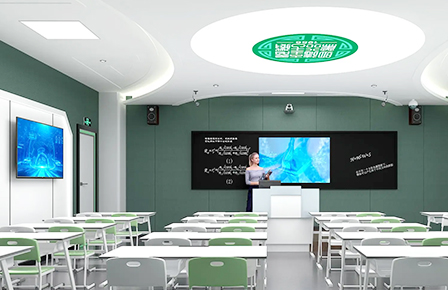
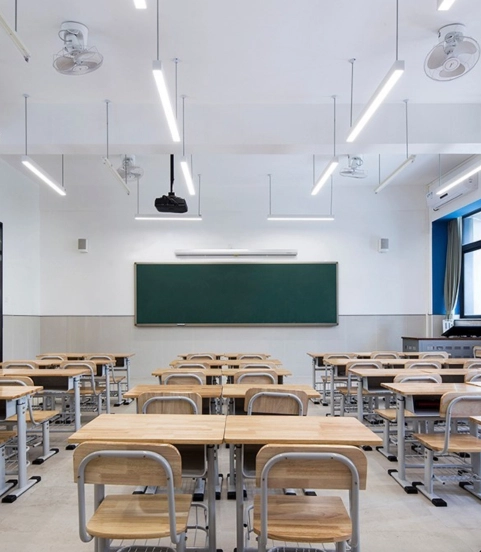
Classroom
One-touch intercom functionality enables video linkage via cameras, with the intercom triggering video playback to display clear communication footage in the control room. The campus broadcasting station facilitates remote control of television power cycling, channel switching, and live broadcast distribution.
Principal's Office
The Headteacher may communicate with all telephones listed below, monitor conditions in each classroom, and initiate telephone or video conferences via these telephones.
Security office
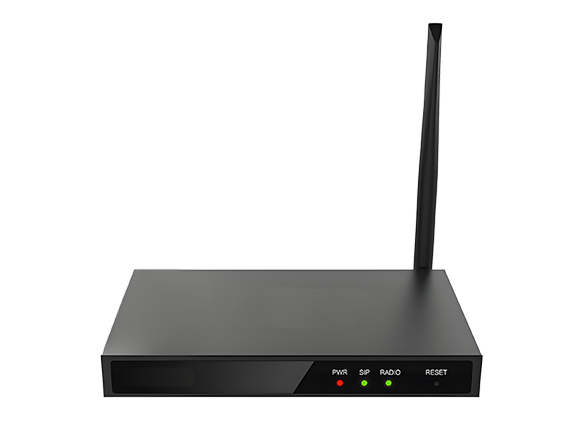
Security personnel may communicate via handheld walkie-talkies at any time, and may also receive broadcasts, intercom messages, and audio-visual conferences through telephones.
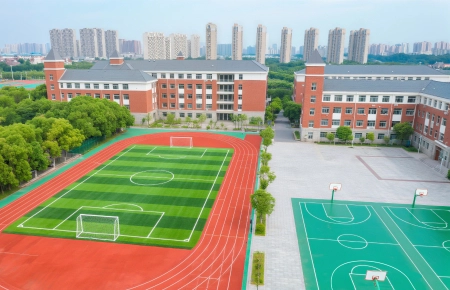
Playground
Control room broadcasting system capable of playing music, broadcasting announcements, and playing exercise routines during breaks. Alarm columns enable one-touch activation of alarms and can trigger video feeds.
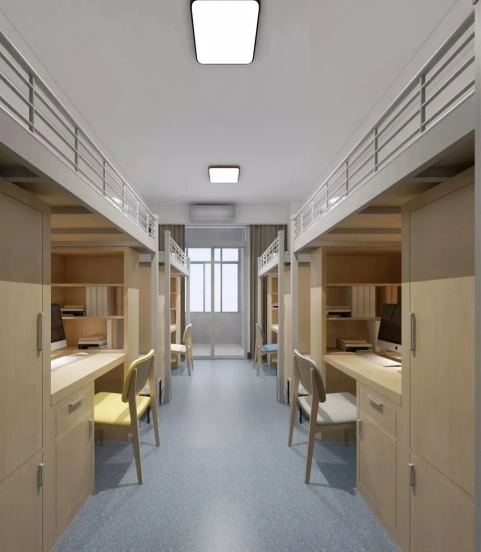
Dormitory
One-touch call, receive broadcasts in various formats.
Canteen
Emergency broadcast announcements, background music, one-touch emergency alerts, television equipment control, information dissemination, and menu recommendations.