Hotel Information Display System
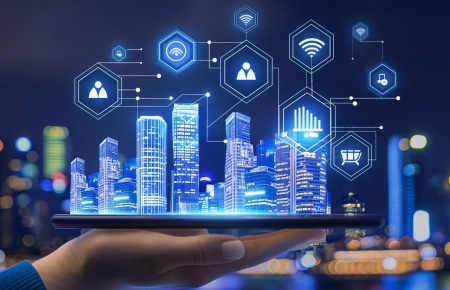
The system is based on a B/S architecture, transmitting video, images, text, web pages and other content via the TCP/IP network protocol.
Solution Overview
The system operates on a browser-server architecture, utilising TCP/IP network protocols to arrange and combine content such as video, images, text, and web pages. It employs advertising displays and multimedia publishing terminals for promotional playback.
Solution Features
  • Conference System Management
    Support integrated arrangements for all conferences hosted by the hotel, including the specific publication of information such as conference schedules, venues, attendees, organisers, and event descriptions.
  • Scheduled Power On/Off Management
    The hotel lobby can be programmed with daily switch-on and switch-off times; for instance, it may automatically switch on at 7:30 am and switch off at 10:00 pm. Meanwhile, the banquet hall can configure the switch-on and switch-off times for each display screen according to the specific arrangements for each event.
  • Seamless network switching
    When the network fails, the system can play multimedia content stored locally on the terminal.
  • centralised management
    The system can centrally control the display content across all terminal devices, as well as broadcast different information content during different time periods or in different zones.
  • Third-party platform integration
    Supports integration with third-party platforms. Examples include: IPTV systems, hotel management software, touchscreen enquiry systems, etc.
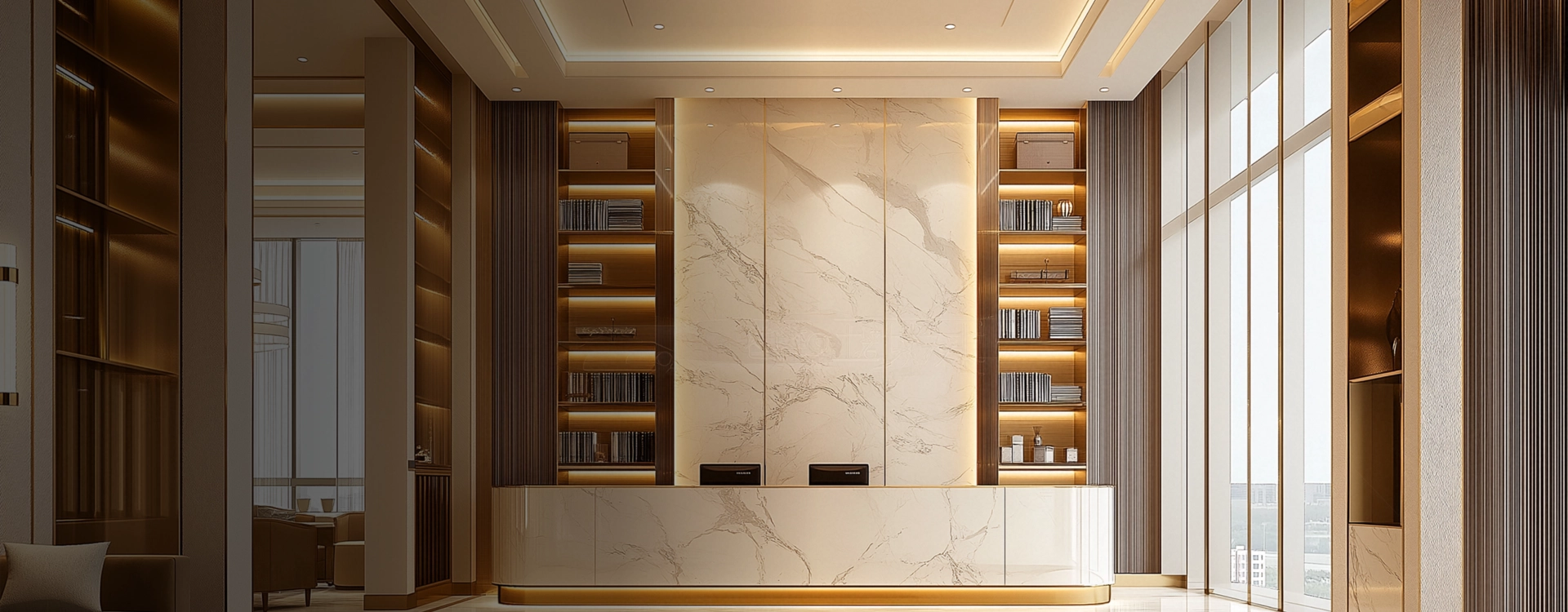
  • Hotel Lobby
    Near the front desk in the lobby, screens in the lounge area display hotel services (such as concierge and luggage storage), local transport guidance (underground and shuttle buses to attractions), and weather forecasts. They simultaneously promote membership benefits and limited-time offers, helping guests quickly familiarise themselves with hotel services and enhancing their initial stay experience.
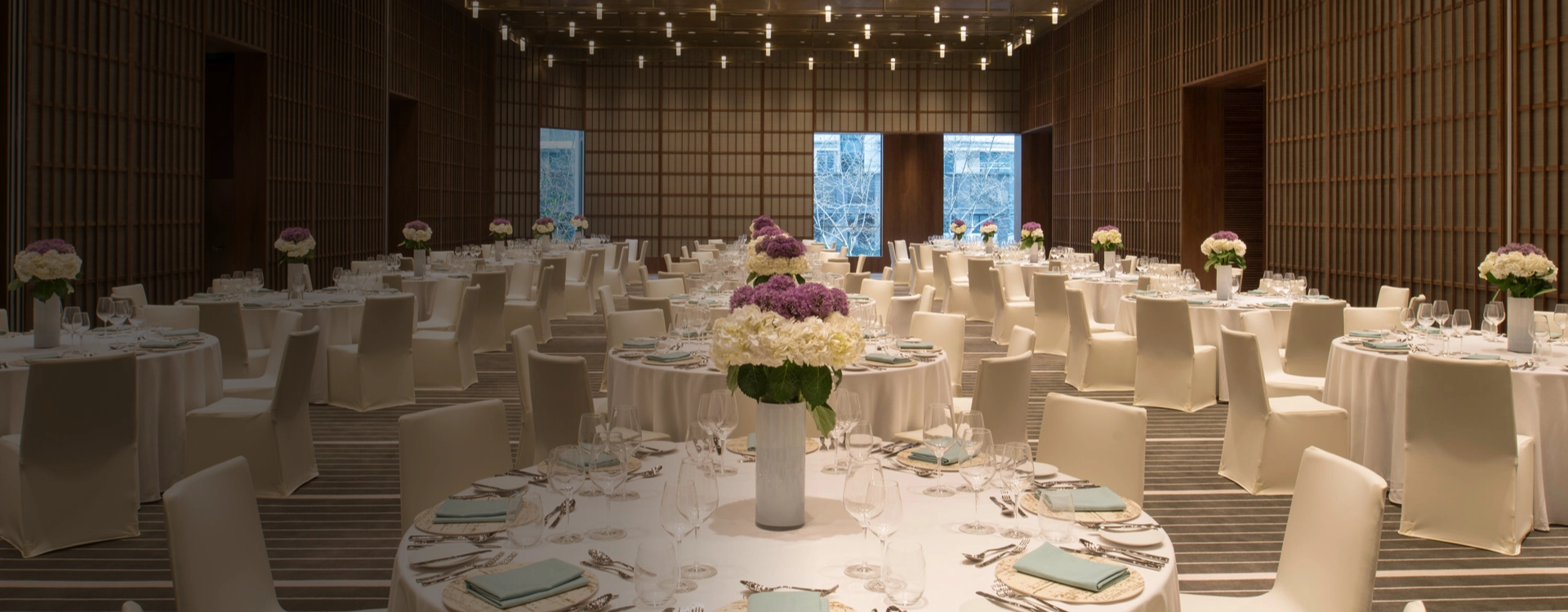
  • Banquet Hall
    Screens at the banquet hall entrance display the theme, organiser, start time, and venue layout for current and upcoming events. Internal screens can broadcast background videos and agenda schedules, whilst also updating guest speeches in real time. This facilitates smooth event operations and enhances the attendee experience.
  • Meeting Room
    The screen at the conference room entrance displays the organising unit, meeting topic, duration, and attendance guidelines. The interior screen supports connection to meeting equipment for presenting PowerPoint slides and meeting minutes. Following the meeting, download links for meeting materials are distributed, enabling attendees to access information conveniently and enhancing meeting efficiency.
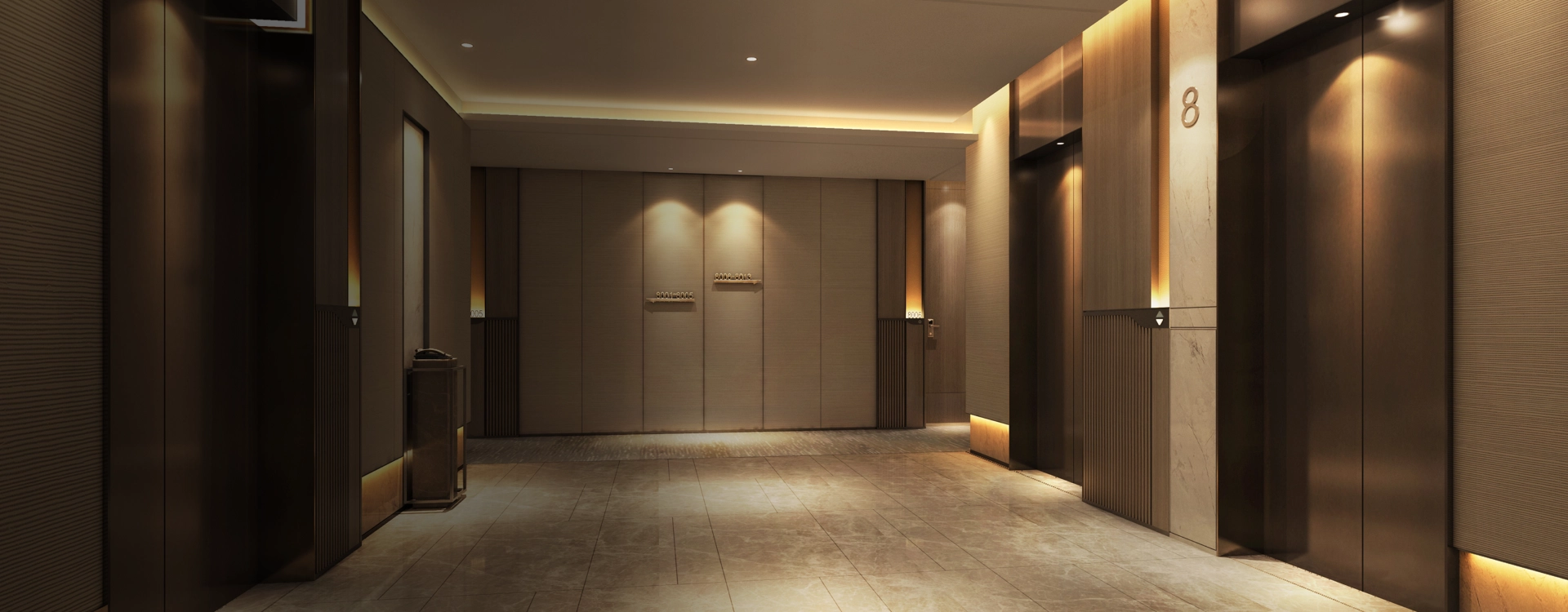
  • lift lobby
    Elevator screens continuously display the hotel's signature services (such as the spa and executive lounge), dining recommendations (featured dishes and afternoon tea hours), and local travel guides (popular attractions and regional specialities). This leverages guests' fragmented waiting time to convey information and stimulate spending.
  • Guest Room Corridor
    Guest corridor screens display the locations of floor amenities (such as laundry facilities, gym, and self-service breakfast area), waste collection times, and safety notices (emergency evacuation routes, fire safety guidelines). This enables guests to swiftly locate required facilities, ensuring both safety and convenience during their stay.
  • Gym
    Gym screens display opening hours, equipment usage instructions (such as treadmill operation guides), safety exercise reminders (key points for avoiding sports injuries), and daily fitness class schedules (yoga, spinning), assisting guests in using equipment correctly and planning their fitness activities effectively.
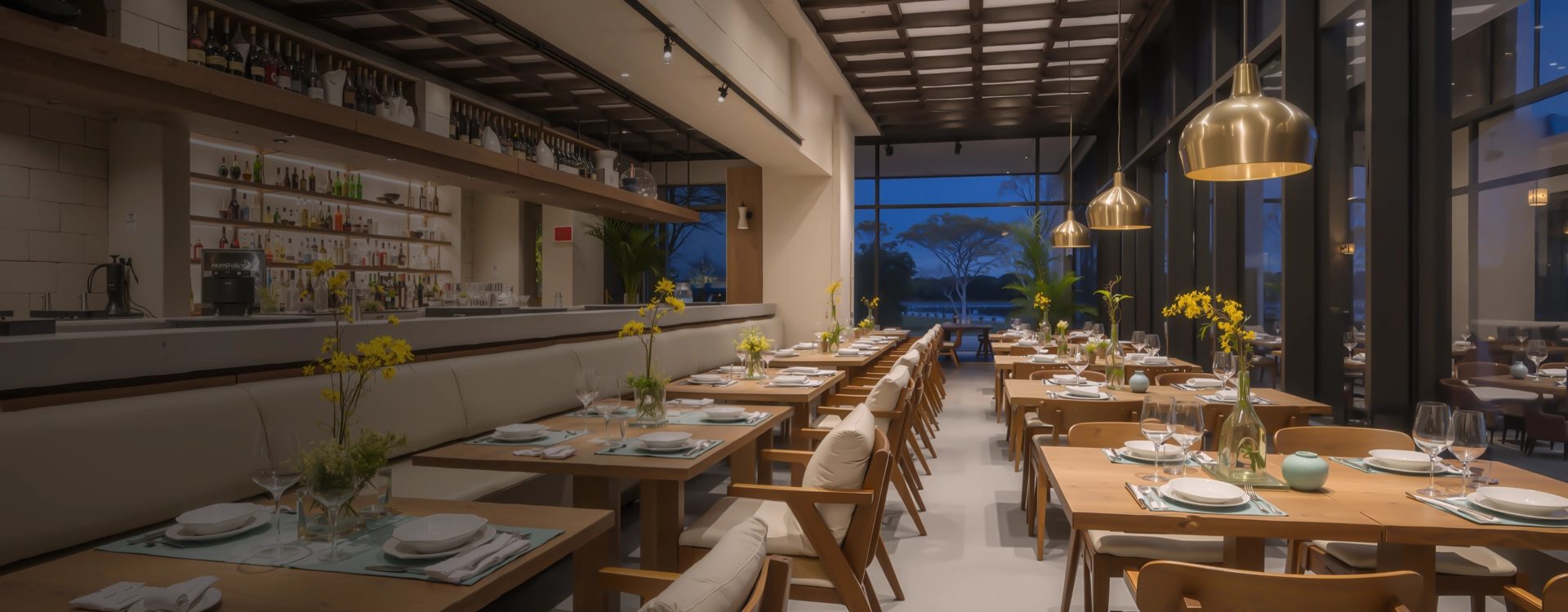
  • restaurant
    The entrance screen displays the daily menu, recommended specialities, dining periods, and promotional offers (such as family-friendly set meals and membership discounts). Internal screens broadcast videos tracing ingredient origins and dining etiquette tips, enhancing guests' dining experience and conveying the restaurant's commitment to quality.
Information Release Process
信息发布流程清晰简便:先凭账号密码登录平台;随后编辑文本
素材并完善,规范格式确保美观;接着选定受众、区域和终端,预览效果并提交审核;审核通过后,一键即可发布,轻松完成信息推送。
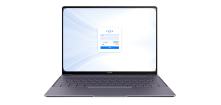
  • Login Platform
    Log in to the system using your account credentials.
  • Content Editor
    Text material, edited and refined
  • Select publication scope
    Designated Audience Area Terminal
  • Format adjustment
    Standardise the format, achieving aesthetic perfection
  • Preview review
    Preview the effect before publishing, submit for review
  • One-click publishing
    Once approved, click publish.
Advantages of the Hotel Information Display System Solution
Simple maintenance
Multi-device compatibility
Flexible customisation
Dynamic Layout
Precise data
Simple maintenance
  • Simplified Maintenance

    1. Simple yet not simplistic, combining robust functionality with intuitive operation; server software deployed on Linux systems features a foolproof backend interface, enabling non-specialists to master usage swiftly and minimising complex training requirements.

Multi-device compatibility
  • Multi-terminal compatibility

    Supports various advertising displays, touchscreen information kiosks, full-colour large screens, video walls, LED displays, and video walls;

Flexible customisation
  • Flexible Customisation

    The system is independently developed, offering excellent compatibility and scalability, and supports secondary development.

Dynamic Layout
  • Dynamic Layout

    Terminal groups and partitions may be freely managed, and remote control or remote operation may be performed via the network.

Precise data
  • Precision Targeting, Data-Driven

    Integrated with an intelligent AI analytics engine, it enables precise information delivery based on multi-dimensional criteria such as time slots, geographical locations, and audience profiles. Real-time data dashboards provide intuitive visualisation of core metrics including broadcast performance and click-through conversion rates. By leveraging big data analytics to refine deployment strategies, it maximises the value of information dissemination.