AI Artificial Intelligence Recognition System
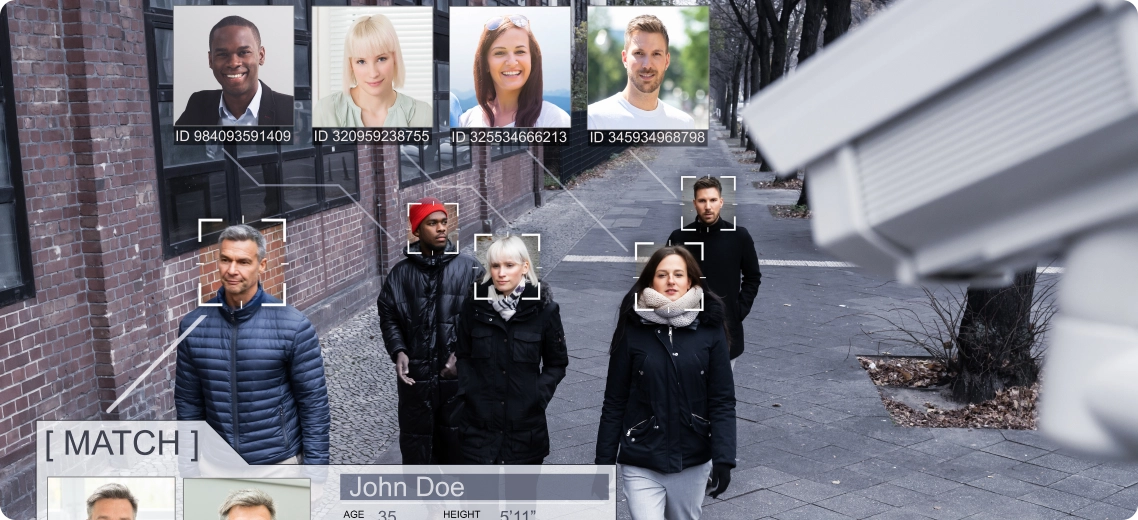
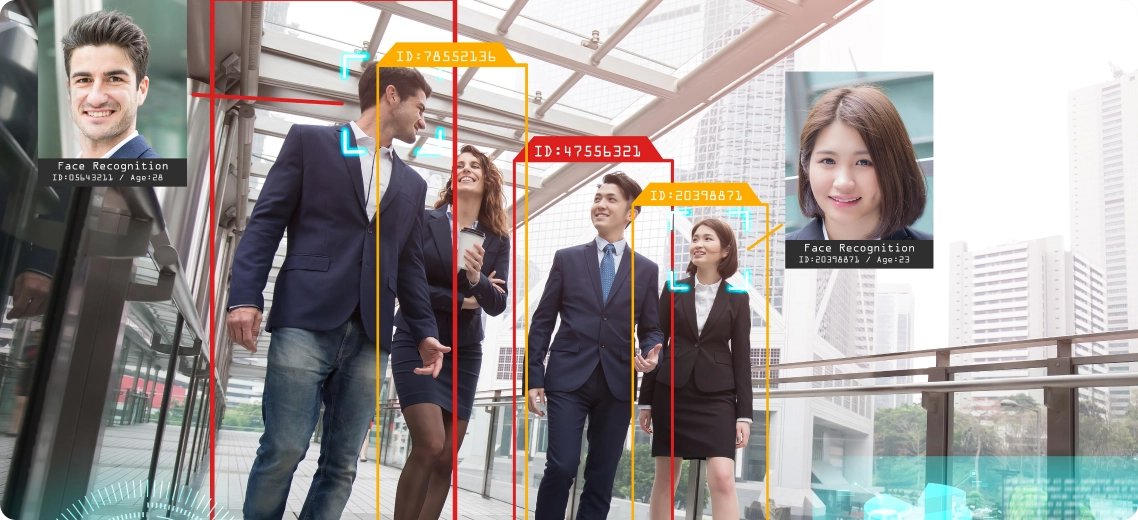
They form an integral part of modern security and intelligent surveillance systems, enhancing monitoring efficiency and safety through advanced technological means.
SolutionOverview

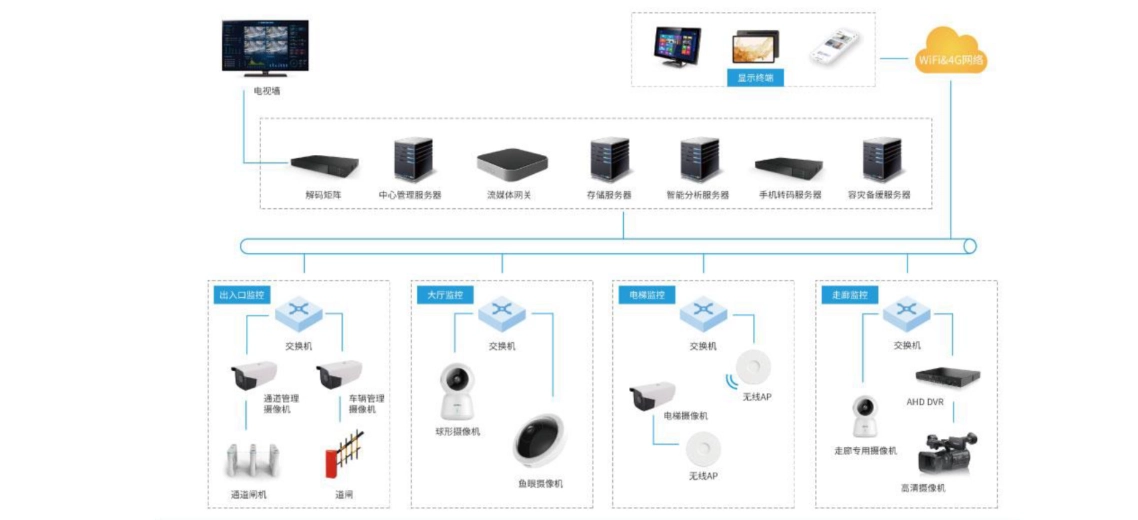
The AI Recognition System is an intelligent platform that builds upon AI recognition technology by incorporating behavioural logic analysis capabilities. Its core function involves analysing multidimensional data to interpret behavioural patterns, intentions, and risks associated with humans or objects.


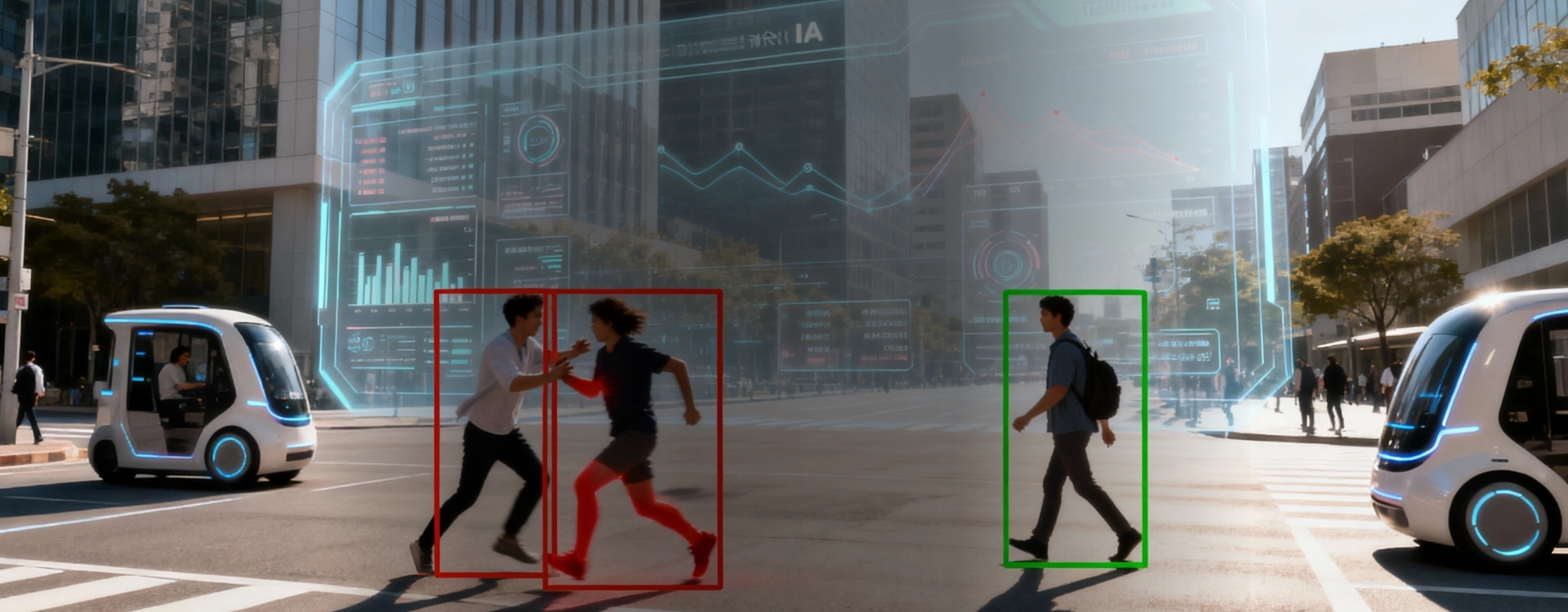
The technical architecture comprises three layers: The input layer integrates cameras, sensors, and other devices to collect time-series data such as image sequences and motion trajectories. The processing layer first employs CNN/RNN for target recognition, then analyses behavioural coherence and compliance through behavioural feature modelling (e.g., temporal action segmentation) and anomaly detection algorithms. The output layer generates behavioural labels (e.g., ‘unauthorised crossing’), risk levels, and warning signals. Applications focus on security and management: in security monitoring, detecting anomalies like climbing or fighting; in industrial settings, identifying non-compliant operations (e.g., failure to wear safety helmets); in traffic scenarios, assessing behaviours such as jaywalking or queue-jumping. The system relies on high-quality temporal data for training, facing challenges including misjudgements due to occlusions and difficulties adapting to complex scenarios. It is currently being optimised towards real-time analysis and multi-scenario applicability.

System Functional Modules
Real-time analysis
Target recognition
Multi-scenario adaptation
Behavioural Analysis
Abnormal Alert
Real-time analysis
Process time-series data in real time to avoid delays and ensure timely output of analytical results.
Target recognition
Accurately identify targets such as humans and objects within the scene, extract their features, and lay the groundwork for subsequent behavioural analysis.
Multi-scenario adaptation
Adapted for security and industrial applications, with algorithm parameters adjusted to meet diverse analytical requirements.
Behavioural Analysis
Analyse target movement trajectories and action sequences to determine whether behaviour complies with regulations (e.g., whether unauthorised operations have occurred).
Abnormal Alert
Detect abnormal behaviours such as climbing or fighting, rapidly generate warning signals to facilitate prompt intervention.
AI Artificial Intelligence Recognition Video Interaction System Solution: Overall Advantages
Real-time efficient processing
Capable of operating continuously around the clock, it processes time-series data captured by cameras and sensors in real time, eliminating the need for manual shift-based monitoring. In security scenarios, it can respond to anomalous behaviour within seconds, thereby avoiding the delays and oversights inherent in manual patrols
High-precision identification and analysis
Leveraging deep learning algorithms and extensive annotated data training, it can accurately distinguish between compliant and non-compliant behaviour. For instance, in industrial settings, its error rate for identifying ‘failure to wear a safety helmet’ is significantly lower than manual detection, thereby reducing the risk of misjudgements and missed violations.
Prospective Risk Warning
Rather than retrospective analysis, it involves real-time monitoring of behavioural patterns to proactively identify potential risks (such as personnel approaching hazardous zones), rapidly triggering warning signals to afford response teams critical time for intervention and thereby reduce accident occurrence rates.
Flexible adaptation across multiple scenarios
There is no need for repeated development across different domains; simply adjusting algorithm parameters enables adaptation to scenarios such as security, industrial applications, and transportation. For instance, a single system can simultaneously handle campus security and workshop non-compliance monitoring, thereby enhancing resource utilisation.
Long-term cost optimisation
Replacing traditional manual patrol methods, it reduces the need for extensive, high-frequency manpower deployment, particularly in large industrial sites and multi-intersection traffic scenarios. Long-term use significantly lowers labour costs while mitigating judgment errors caused by human fatigue.
AI Artificial Intelligence Recognition Application Scenarios
Park Security
  • Site Security

    1. Monitors abnormal activities such as scaling perimeter walls or loitering late at night, providing near-instant alerts to replace manual patrols and prevent security lapses.


    /

Industrial production
  • Industrial Production

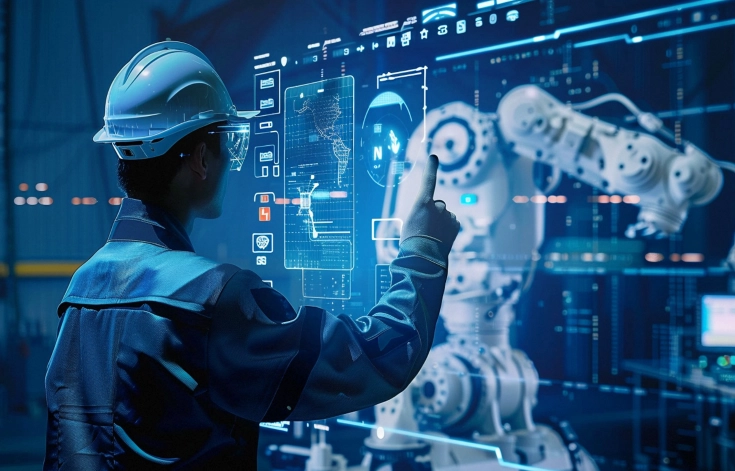
    1. Identify non-compliant operations such as workers not wearing safety helmets or approaching hazardous machinery zones, providing real-time alerts to reduce production accident rates.


    /

Urban Transport
  • Urban Traffic

    1. Capture vehicles running red lights and cutting in line, analyse intersection congestion trends, assist traffic police in directing traffic, and enhance traffic flow efficiency.


    /

Campus Management
  • Campus Management

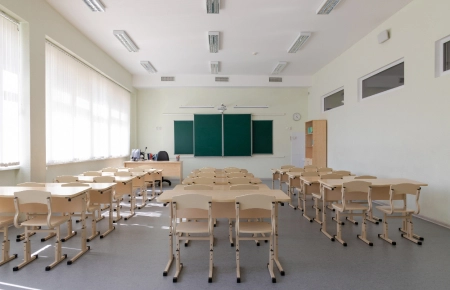
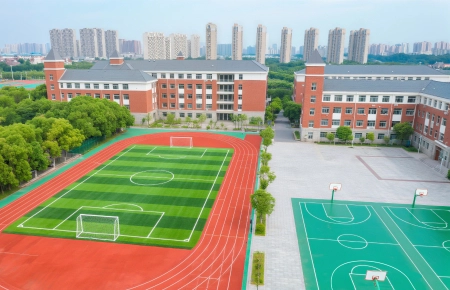
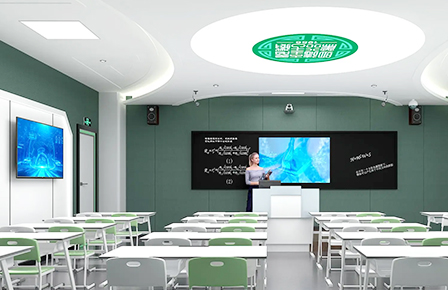
    1. Monitor instances of pupils scaling barriers or lingering unsupervised near the lake, promptly notifying security personnel to ensure pupil safety.


    /

Retail Operations
  • Retail Operations

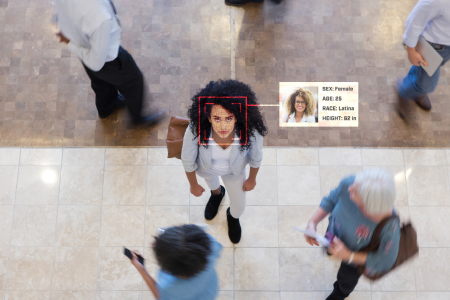
    1. Analyse customer flow patterns and identify suspicious behaviour indicative of theft, thereby facilitating optimised product displays while maintaining store security.

    /