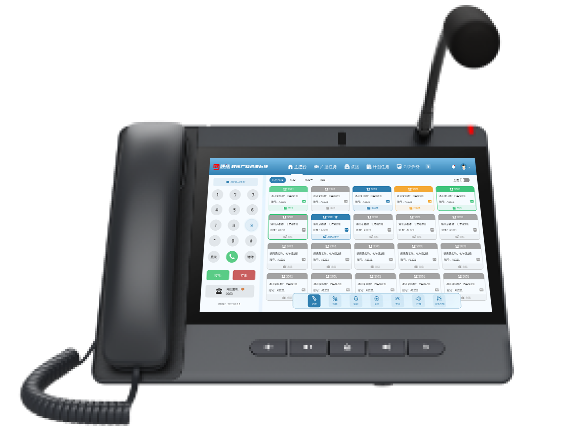
In the past, many hospitals relied on fairly traditional methods for disseminating information. They would place a bulletin board in the lobby, post a few notices at the nurses’ station, announce important updates over the PA system, and have staff go from person to person to deliver urgent messages. This approach wasn’t a major issue when hospitals were small, but as patient volumes increased, the number of floors grew, and departments became more complex, information management became increasingly chaotic.
For example, common questions patients ask include: “Where should I go next for my exam?” “How much longer do I have to wait?” “Is the doctor in today?” “Can I eat before the exam?”
However, hospitals are struggling with heavy consultation pressure at service counters, patients asking the same questions repeatedly, and chaotic queues, with many staff members finding themselves answering the same questions over and over again every day. This is why an increasing number of hospitals are now implementing hospital information display systems.
Simply put, a hospital information display system connects all the hospital’s devices—such as televisions, digital signage, waiting room screens, and ward monitors—into a unified network and manages them centrally through a single backend platform. Hospitals can remotely broadcast announcements, display patient call information, share health education materials, provide department introductions, and showcase hospital promotions, ensuring that information is conveyed more quickly and clearly.
Essentially, it addresses the issue of “information transmission efficiency” in hospitals.
Why are hospitals becoming increasingly reliant on information display systems? Today, many hospitals are no longer merely “places to seek medical treatment”; they are more like large-scale service spaces operating at a high volume. This is especially true for tertiary and general hospitals, which see thousands or even tens of thousands of visitors daily. If information dissemination cannot keep pace, the following issues can easily arise:
Patients are unfamiliar with the process / Crowded outpatient lobby / Disorderly waiting areas / Medical staff having to repeat explanations / Delays in updating notifications
In many cases, it’s not that hospital services are poor, but rather that patients “can’t access the information.” That’s why a key focus of hospitals’ digital transformation efforts today is to ensure that information “actively reaches patients.”
For example, as soon as a patient registers, the waiting room screen automatically displays the queue status; the examination area plays a pre-recorded message with important instructions; ward televisions simultaneously broadcast admission notices and health education information; and the outpatient lobby displays real-time updates on doctors’ schedules.
Patients won’t have to keep asking the same questions, and hospitals can significantly reduce unnecessary communication. This is the true value of a hospital information system.
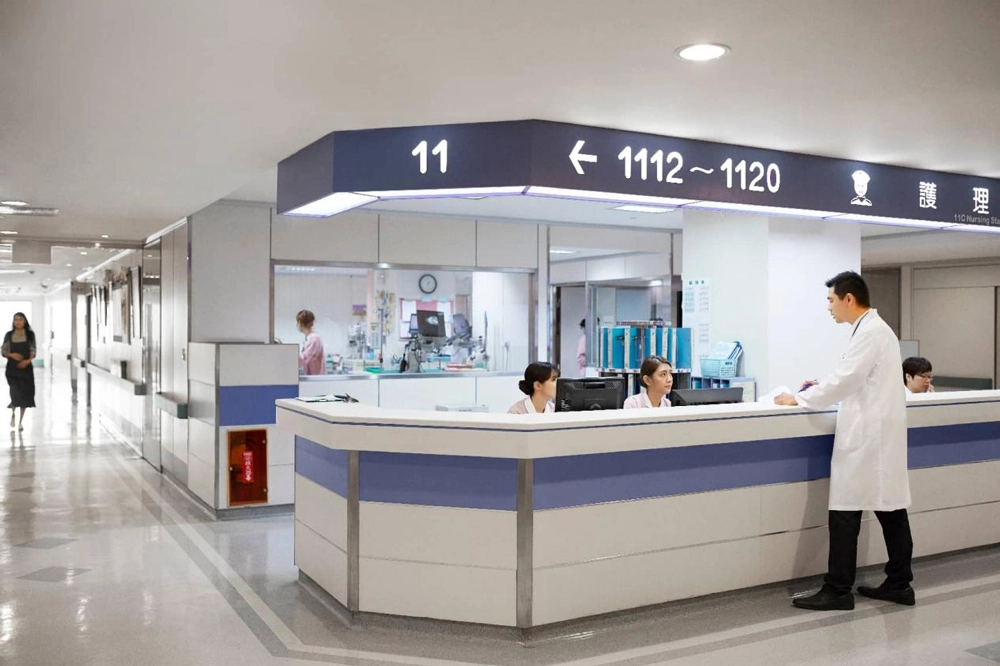
What exactly can a hospital information system do?
1. A single backend for centralized management of all screens across the hospital
In the past, one of the biggest headaches for many hospitals was that each department managed its own screens independently. Some used USB drives to play content, some went for long periods without updates, and some continued to display outdated information. Whenever a notice needed to be changed, staff had to go floor by floor to make the adjustments. The advantage of a hospital information display system is “centralized management.” All hospital terminals—whether lobby TVs, waiting room screens, ward TVs, or digital signage—can be uniformly connected to the backend. Administrators can update content remotely from their offices.
For example: The outpatient lobby displays information on the registration process and hospital promotions; the pediatric area displays educational content on children’s health; the health screening department displays guidelines for health screenings; and the ward corridors display hospital admission policies.
Different content is broadcast in different areas, but all is centrally controlled by a single platform. For hospitals, this is not only highly efficient but also ensures more standardized management.
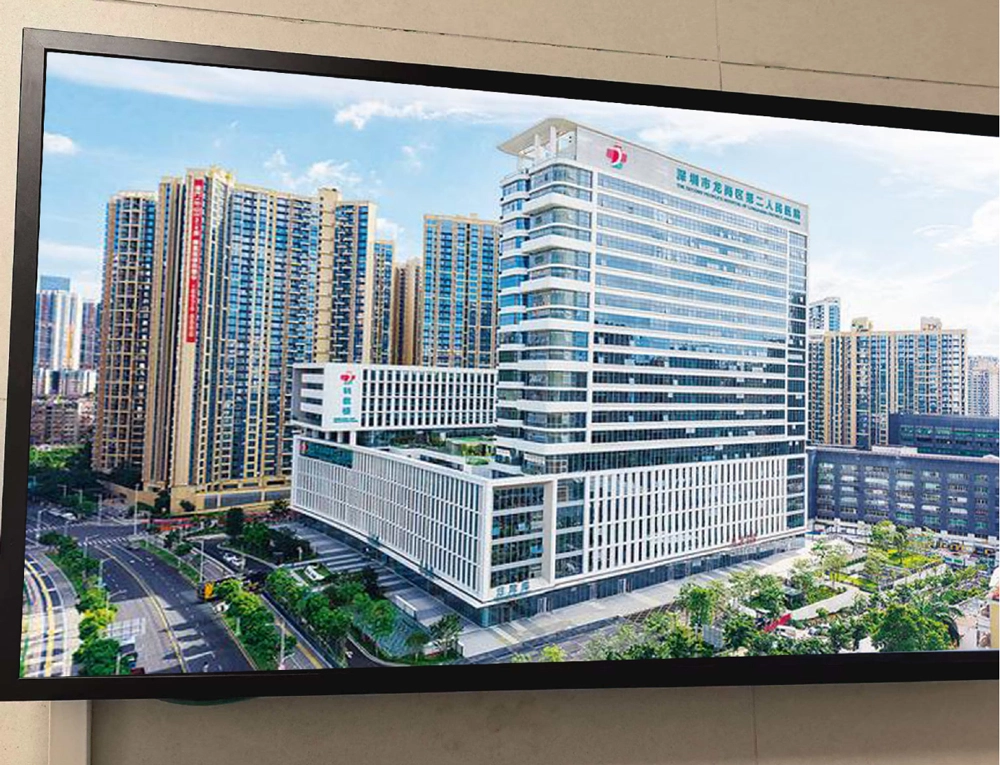
2. Play different content in different zones
Hospitals are different from shopping malls; each area serves a different audience. If all screens throughout the hospital display the same content, it doesn’t really serve much purpose. That’s why many hospitals now use “zone-specific programming.”
For example: In the waiting area, patients are primarily concerned with the queuing and examination procedures; in the pharmacy area, patients are more concerned with medication pickup reminders; and in the ward area, family members are more concerned with visiting policies and nursing information.
Hospital information systems can automatically display content tailored to specific areas. This ensures greater accuracy and makes it easier for patients to actually see the information. In the past, when hospitals distributed health education brochures, few people read them; however, since switching to looping short videos in waiting areas, patients are now more willing to watch them while they wait. This is essentially a change in how information is delivered.
3. Hospitals can do more than just broadcast announcements; they can also integrate with the patient call system.
Nowadays, many hospitals’ information display systems are no longer limited to simply “playing videos.” What makes them truly useful is their ability to integrate with the hospital’s operational systems.
For example, after integrating with the queue management system:
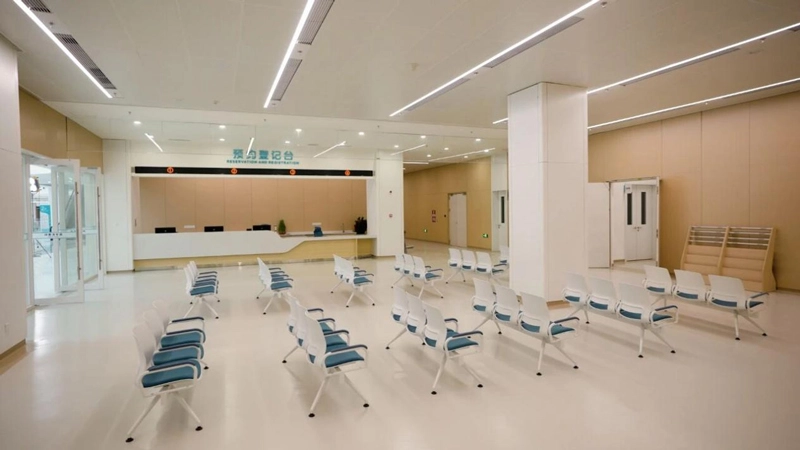
Once the patient has registered, the system automatically syncs the queue information; the waiting room screen displays the current call number in real time; and voice alerts are also provided.
Patients won’t have to crowd around the clinic entrance all the time, and the line outside the doctor’s office will be much more orderly.
This improvement in the patient experience is particularly noticeable during peak hours at the outpatient clinic.
In many smart hospital projects today, information display systems are typically implemented alongside queuing, call-up, and triage systems.
4. In hospitals, screens are more effective than posters for health education
Many hospitals are now placing greater emphasis on health education.
However, the traditional approach—putting up posters, hanging banners, and handing out flyers—often yields poor results.
Although patients spend a long time in the hospital, few are actually willing to stop and read text. The information display system supports a variety of formats, including videos, images, animations, and scrolling text, making the content more intuitive.
For example: dietary guidelines for diabetes; precautions for high blood pressure; flu prevention for children; post-surgery recovery tips.
Playing short videos on a loop significantly increases patient acceptance. For hospitals, this not only improves the effectiveness of patient education but also enhances their overall service image.
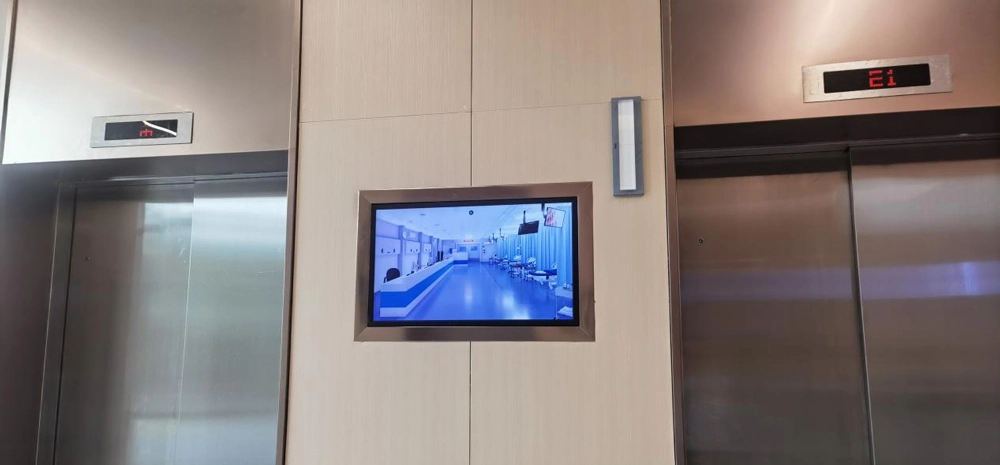
5. Remote management, reducing the maintenance burden on hospitals
Many hospitals now have a very large number of devices. With dozens, hundreds, or even thousands of screens, the burden of ongoing maintenance is actually quite heavy.
In the past, we were worried that: if the screen went black, no one would notice; if the device froze, no one would realize it; and if the content didn’t play, no one would care.
Most modern information publishing systems support remote operation and maintenance.
The backend allows you to view the following in real time: which devices are online, what content is currently playing, whether there are any playback issues, whether the network connection has been lost, and whether you can remotely restart the device.
This way, hospital maintenance staff won’t have to make daily rounds, which will significantly improve management efficiency.
Why do so many hospitals choose the Huishi Hospital Information Display System?
Hospital projects are different from ordinary commercial projects.
It places high demands on stability, compatibility, and long-term maintainability.
What many hospitals fear most in the long run is not that the system is difficult to use, but rather: incompatibility between systems; difficulties in future expansion; and management chaos as the number of devices increases.
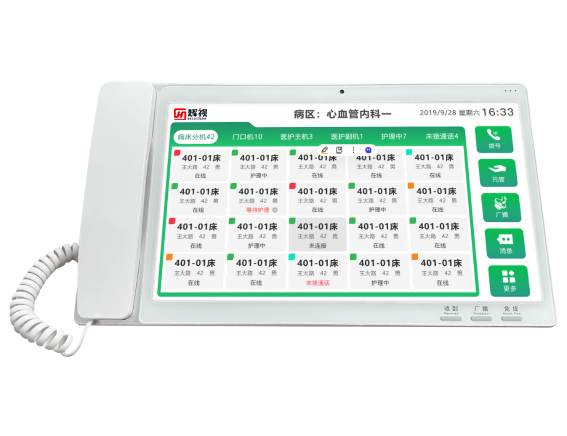
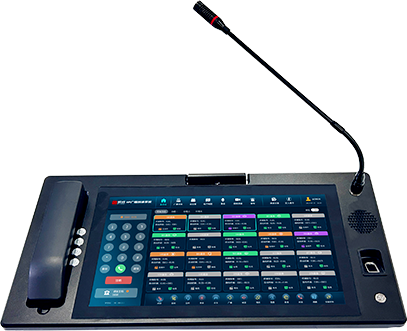
HuiShi has long specialized in hospital IPTV, smart ward, and medical staff intercom systems; therefore, in a hospital setting, information dissemination is not just a standalone software solution, but can be seamlessly integrated with the hospital’s other systems.
For example: integration with ward TVs; integration with queue management systems; integration with smart wards; and integration with hospital public address systems.
This will prevent hospitals from facing the problem of having “a separate system for every function” down the line. For hospitals, this will make overall management much easier.
Hospital information display systems will become increasingly intelligent in the future. Many hospitals are no longer satisfied with systems that merely “play content.” Screens in hospitals are no longer just “displays”; they are increasingly becoming an integral part of the hospital’s digital services. They will take on an ever-growing range of functions, including patient guidance, health education, notifications, interaction, and management.
A hospital information display system may seem like nothing more than “screen management,” but at its core, it addresses the issue of information flow efficiency within the hospital.
For patients, it reduces anxiety caused by waiting and improves the overall experience of their visit.
For hospitals, it reduces communication costs and improves management efficiency.
As the development of smart hospitals continues to advance, information display systems are gradually evolving from simple playback tools into foundational platforms for hospital digitalization.