SIP Broadcast Intercom for Safe Scenic Areas
Program Overview
方案概况

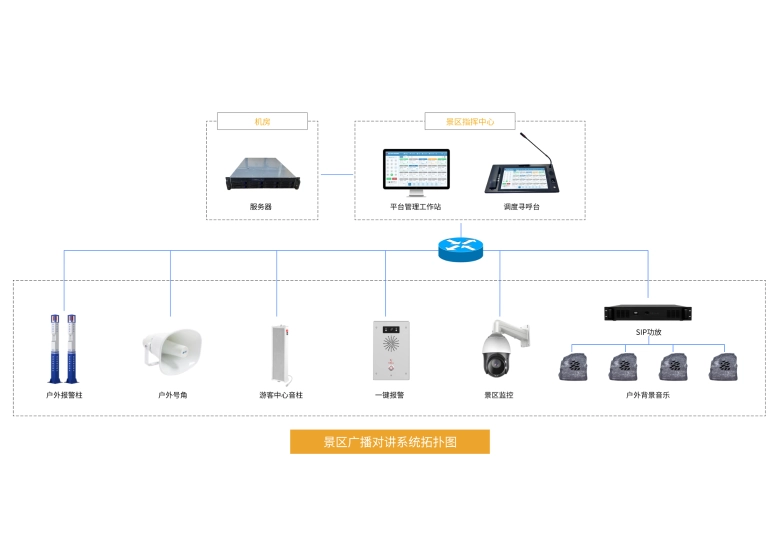
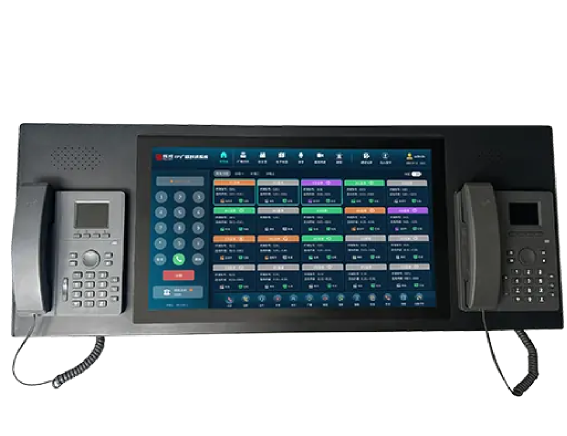
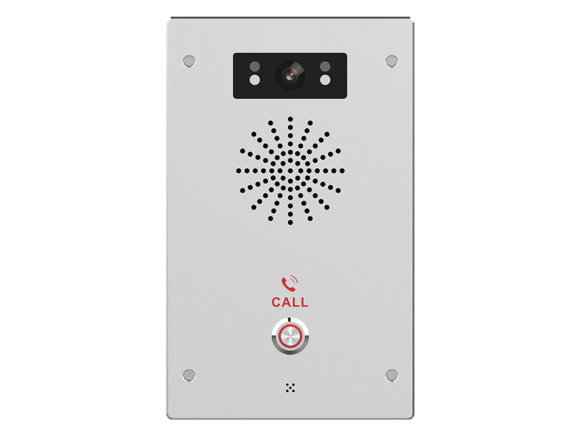
To address issues of fragmented communications, slow emergency response times and low service efficiency within scenic areas, the solution establishes an IP-based public address and intercom system utilising the SIP protocol. This system provides comprehensive coverage across all scenarios, including visitor centres, viewing platforms, footpaths, retail outlets and security booths, integrating emergency call terminals, public address speakers and a dispatch platform.


The core system enables visitors to summon assistance with a single button press, allowing dispatch centres to visually monitor alerts and coordinate with nearby security personnel. It facilitates zone-specific push notifications for safety warnings and visitor guidance, while triggering network-wide emergency broadcasts during incidents. Terminal devices maintain offline caching of instructions during network outages, ensuring uninterrupted communication and enhancing both safety management and service quality within scenic areas.



System Function
系统功能

01

01

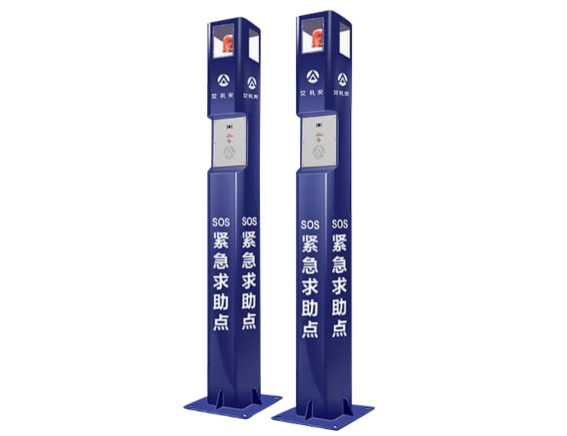
One-touch emergency assistance for visitors
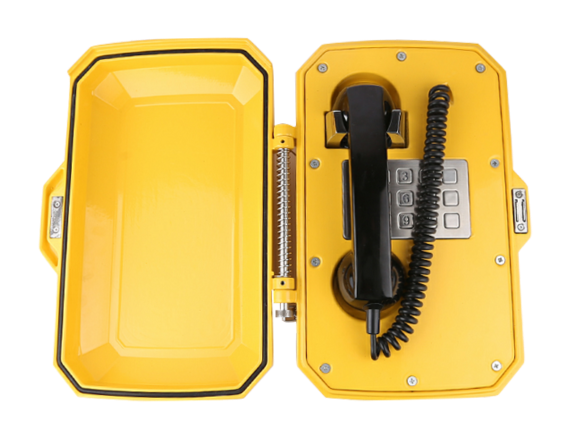
Viewing platforms and footpaths are equipped with emergency call terminals, enabling visitors to summon assistance with a single press. Dispatch centres receive visualised alerts, triggering immediate coordination with nearby security personnel for rapid response.

02

02

Precise broadcast by zone
Organised by attractions and services, it delivers sightseeing tips and weather alerts; emergency broadcasts are triggered across the entire network during unforeseen incidents, targeting specific risk areas.

03

03

Multi-role collaborative intercom
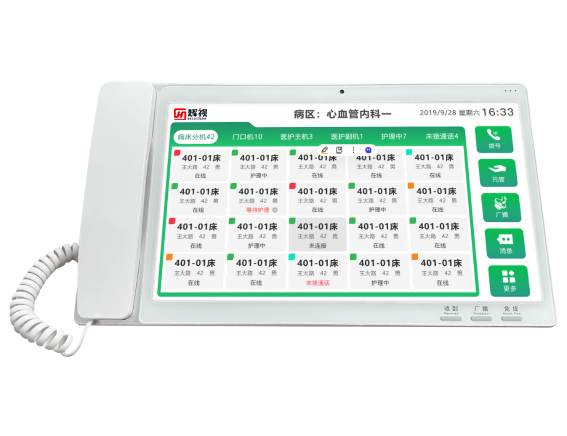
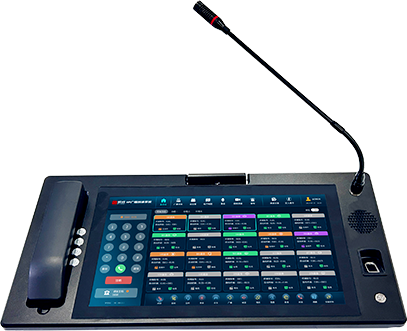
Supports cross-terminal intercom communication for security personnel, cleaning staff, and shop staff. The dispatch console can initiate group calls to efficiently coordinate daily operations.

04

04

Emergency Incident Coordination
Integrate with the scenic area's surveillance system to automatically trigger broadcast alerts for abnormal events (such as crowd gatherings), while simultaneously notifying emergency response teams.

05

05

Offline broadcasting without internet connection

In the event of network disruption, terminals cache emergency instructions and locally play evacuation and warning content to ensure uninterrupted communication in critical scenarios.

06

06

Call Recording for Evidence Purposes
Automatically stores emergency calls and broadcast content, associating them with timestamps and terminal locations to facilitate incident tracing and compliance audits.

07

07

Daily Service Bulletin
Broadcast scheduled updates on attraction opening times, last departure information, and visitor capacity restrictions to enhance the visitor experience and facilitate itinerary planning.
Advantages
方案优势
System Organisational Chart
Enhancing the efficiency of emergency response
Highly adaptable across all scenarios
Controlling operational costs
Seamless multi-role collaboration
  • Second-level emergency response coordination
    Upon a visitor's one-touch distress call, the dispatch console responds within seconds, simultaneously pinpointing the incident location and coordinating with nearby security personnel to swiftly initiate the incident management protocol.
  • Precision command transmission
    Targeted broadcast evacuation alerts can be issued during emergencies, avoiding widespread information overload across the entire site to ensure visitors promptly receive critical emergency guidance.
Contact Us
  • Outdoor Environment Tolerance
    Equipment withstands wind, rain, extreme temperatures, and high altitudes, suitable for outdoor settings such as scenic open-air walkways and mountaintop viewing platforms, minimising faults during inclement weather.
  • Comprehensive Coverage with No Blind Spots
    Extends coverage to signal-deprived areas like caves and dense forests. Combined with distributed deployment, it ensures visitors can call for assistance from any location.
Contact Us
  • Remote Convenient Operations and Maintenance
    Remotely monitor terminal status and upgrade firmware, eliminating the need for frequent on-site inspections and reducing manpower requirements for operations and maintenance along scenic routes.
  • Low-Threshold Deployment
    Built upon existing IP networks within scenic areas, eliminating the need for dedicated cabling and significantly reducing initial construction costs and project timelines.
Contact Us
  • Cross-Position Instant Communication
    Security, cleaning and retail staff can communicate across terminals without telephone transfers, enabling swift coordination for visitor guidance and facility maintenance tasks.
  • Centralised Dispatch Management
    The dispatch console initiates group calls to coordinate personnel across roles during peak visitor periods, enhancing the scenic area's service response efficiency.
Contact Us
Application scenarios
系统配置
Tourist lost / injured seeking assistance
Should visitors become stranded in areas such as footpaths or caves, they may activate an emergency call via the nearest terminal. This triggers the control centre to coordinate security personnel for location tracking and rescue operations, ensuring prompt assistance is provided.
Severe Weather / Crowd Congestion Alert
In the event of heavy rain, strong winds, or overcrowding at attractions, the system broadcasts alerts and evacuation routes via zoned announcements to guide visitors away from potential hazards.
Daily Tour Information Announcement
Regularly broadcast opening times and last departure information to attractions and service areas to assist visitors in planning their itineraries.
Reporting of Faults in Scenic Area Facilities
Staff detected faults in the cable car and toilets, using terminals to call the dispatch centre while simultaneously broadcasting announcements in the affected areas to advise visitors to take alternative routes.
Staff deployment during peak passenger flow periods
During holiday periods when visitor numbers surge, the dispatch console coordinates security personnel and volunteers via group intercom systems, while implementing zoned public address announcements to guide visitor flow and manage crowds.
Night-time park closure and stranded search and rescue
Following the park's closure, it was discovered that visitors remained stranded. The control desk located the assistance terminals, broadcast assembly point information, and arranged personnel for search and rescue operations.
Related Solutions
Related Products
Click to CollapseClick to Collapse