As the development of smart hospitals continues to advance, hospital service models are evolving from traditional, manual services towards digital solutions. The development of smart wards involves not only the addition of smart devices, but also the use of digital technology to optimise patients’ hospitalisation processes, enabling them to access a wider range of medical services and meet their daily needs from the comfort of their beds.
In traditional hospital wards, patients often encounter a number of issues during their stay: if they wish to check their test results, they need to ask a nurse; if they want to find out about treatment precautions, they need to go through the same process of communication repeatedly; and when they have urgent needs, they also need to find a suitable way to communicate.
For patients, accessing certain hospital information is not always convenient; for healthcare staff, they also face a significant number of enquiries as part of their daily work.
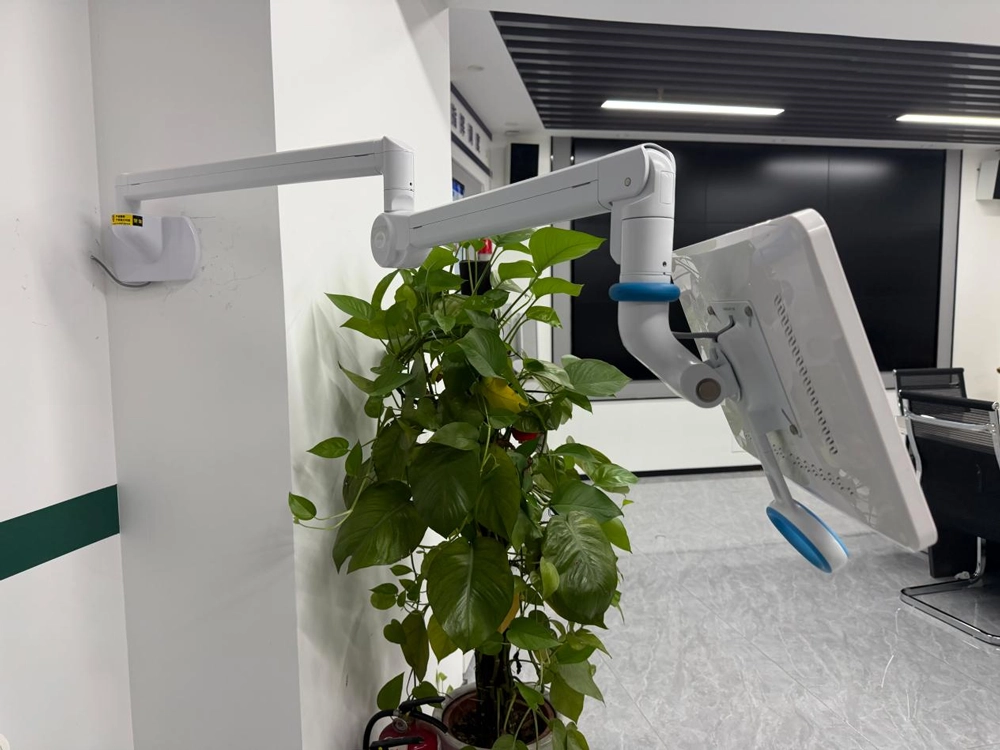
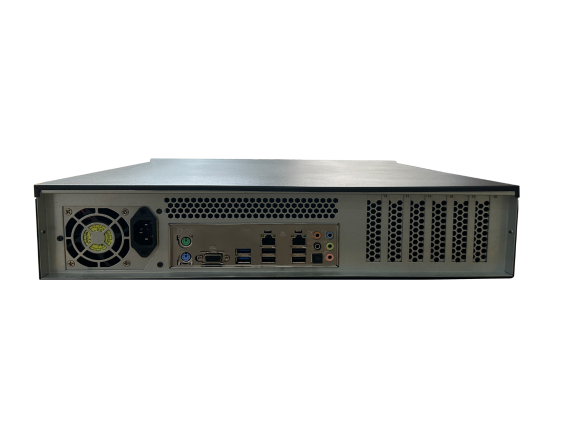
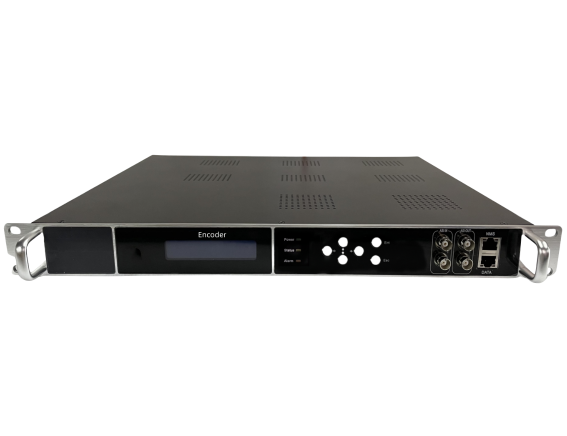
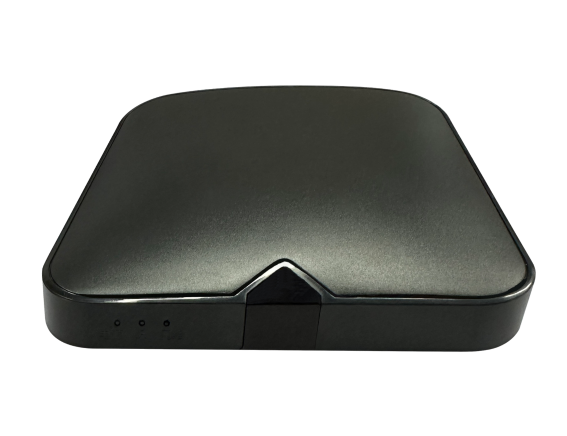
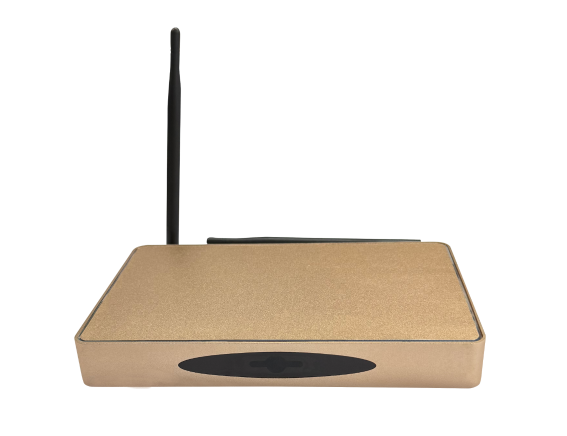
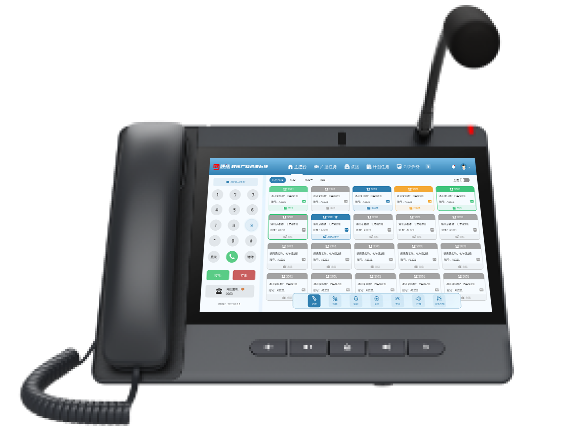
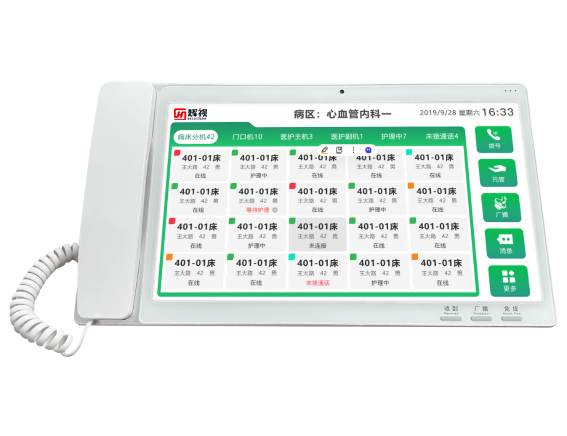
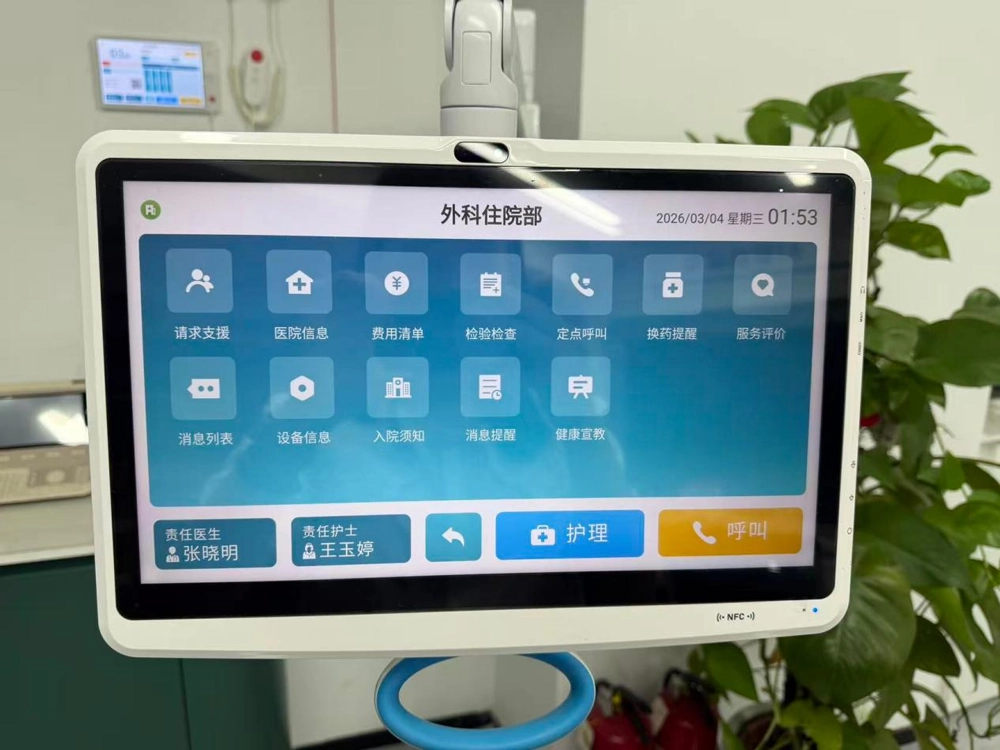
In response to the need for smart ward development, Huishi has launched a bedside interactive terminal, which connects patients, healthcare staff and the hospital information system via a smart bedside device, providing digital interactive services for hospital wards.
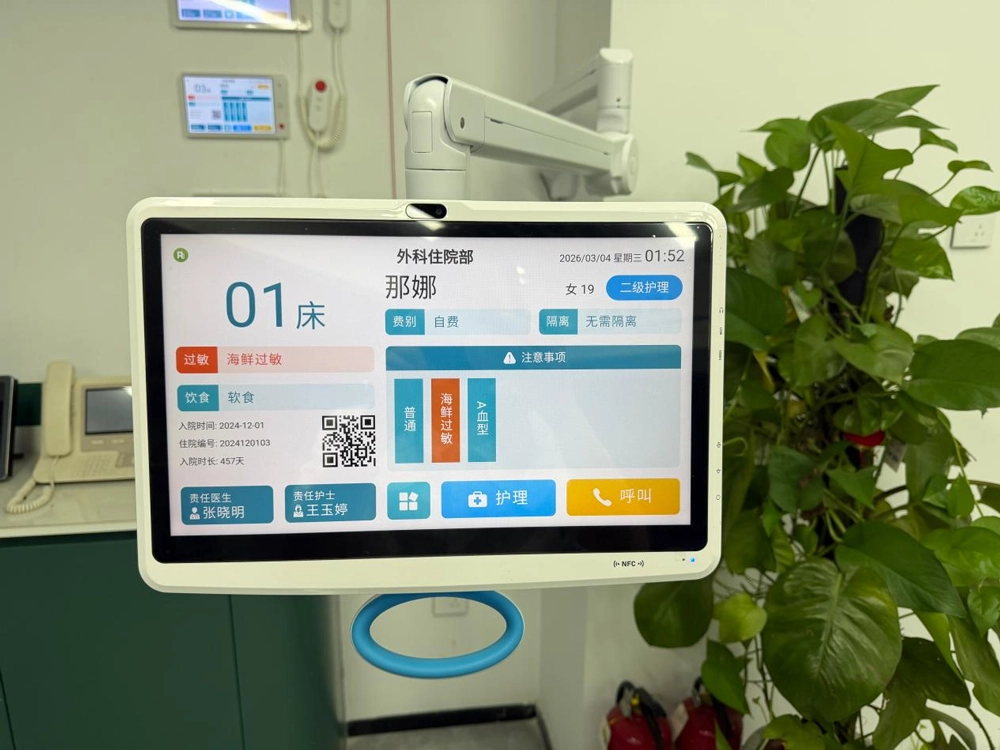
Bedside access to inpatient information makes it easier for patients to understand their treatment plans
During their hospital stay, patients need to be kept informed about the progress of their treatment and relevant information regarding their hospitalisation.
Using the bedside interactive terminal, patients can view their personal hospitalisation details, including test results, reminders of medical instructions, cost information, the attending doctor, nursing care level and dietary requirements.
Information that previously had to be obtained through face-to-face consultations can now be viewed at the patient’s bedside, making it easier for patients to understand their hospital arrangements and reducing the need for some repetitive communication.
One-touch nurse call system, enabling two-way voice and video communication
During their hospital stay, patients may experience physical discomfort, require nursing advice or need other services.
The bedside communication terminal enables patients to call a nurse at the touch of a button and supports two-way voice and video communication. Patients can communicate directly with healthcare staff, helping them to understand patients’ needs and facilitating the provision of follow-up care.
Compared with traditional call systems, video communication makes communication within wards more intuitive, providing patients and healthcare staff with a more convenient means of communication.
Integrate with the hospital’s HIS system to synchronise patient information
The development of smart wards requires not only smart devices, but also the integration of these devices with the hospital’s business systems.
The Huishi bedside interactive terminal supports integration with hospital HIS systems, enabling the synchronisation of information such as patient names, attending doctors, care levels and dietary requirements, thereby reducing the need for duplicate data entry.
By establishing data links between systems, it helps hospitals optimise their ward information management processes.
Digital health education helps patients understand rehabilitation information
During their hospital stay, patients not only require medical care, but also need to understand matters relating to the treatment and rehabilitation of their condition.
Hospitals can centrally manage health education content via the back-end system and push relevant health guidance to patients based on different departments, medical conditions and stages of hospitalisation.
For example, information on admission procedures, pre-operative preparations, post-operative care and rehabilitation exercises, enabling patients to access treatment-related information more easily.
Integrating lifestyle and entertainment services to enhance the in-hospital experience
In addition to medical services, bedside interactive terminals can also meet patients’ daily needs during their hospital stay.
Patients can use the equipment to watch live television, on-demand films and TV programmes, and other content, thereby enhancing their leisure options whilst in hospital.
Furthermore, thanks to the open capabilities of the Android operating system, the bedside interactive terminal supports third-party application extensions. It can be integrated with services such as online meal ordering, patient satisfaction surveys and discharge procedures, in line with the hospital’s requirements, enabling more stages of the inpatient process to be completed via the bedside device.
Bedside Interaction Terminals Support the Development of Smart Hospitals
The aim of developing smart wards is to use digital technology to optimise patient care processes and improve the way information is communicated between healthcare staff and patients.
Designed with hospital ward scenarios in mind, the Huishi Bedside Interaction Terminal integrates functions such as information retrieval, nurse call, video communication, health education and daily living services, providing hospitals with a digital ward interaction solution.
As the development of smart hospitals continues to advance, more inpatient services will gradually be extended to patients’ bedsides, making it more convenient for patients to access these services whilst also helping hospitals to optimise their ward management models.