IPTV System
Broadcast Intercom
AI Behavior Analysis
Educational Recording & Broadcasting
Information Release
智慧医疗
Military Information Release System
Airport Information Display System
Government Information Release System
Hospital Information Dissemination Solution
Corporate Information Release System
Chain Store Information Release System
Hotel Information Display System
Hospital Information Release System
School Information Release System
Information Release Solutions
融合视讯方案提供商
铸造辉视精品引领互动未来
Franchise Policy
Our Advantages
Cooperation Policy
Application Process
Regional Agent
Intentional Application

融合视讯方案提供商
铸造辉视精品引领互动未来


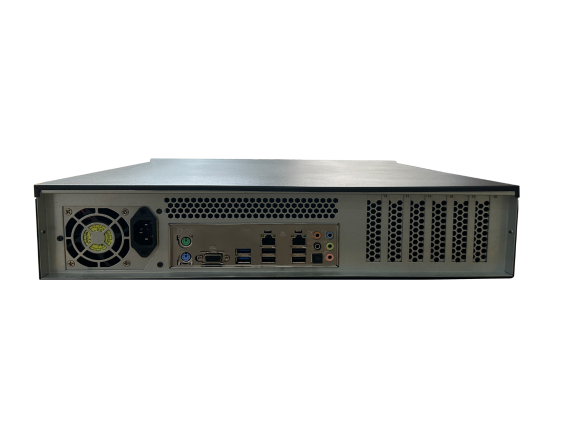
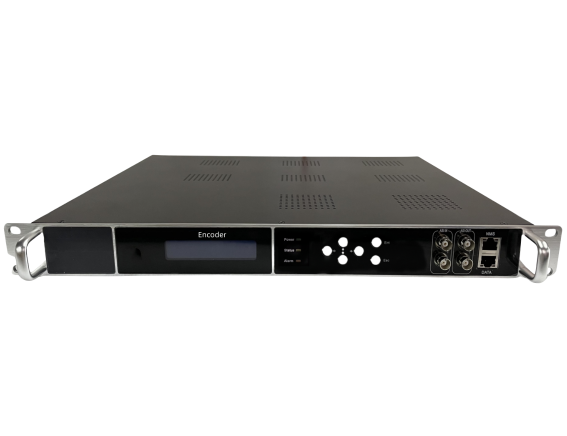
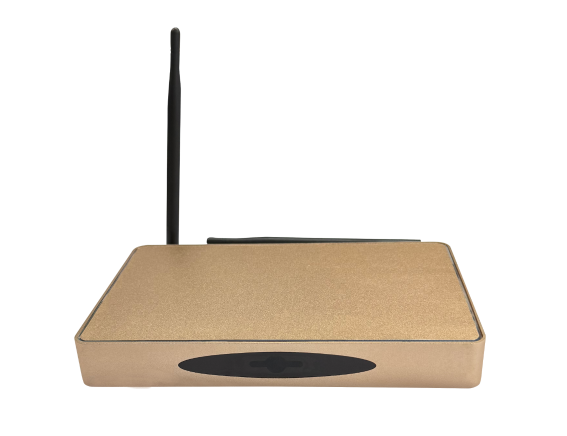
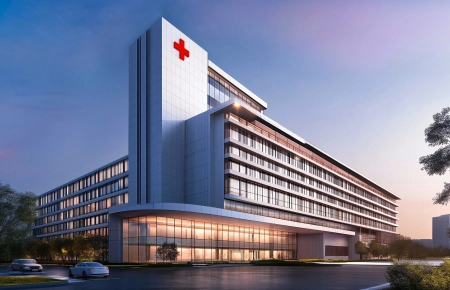
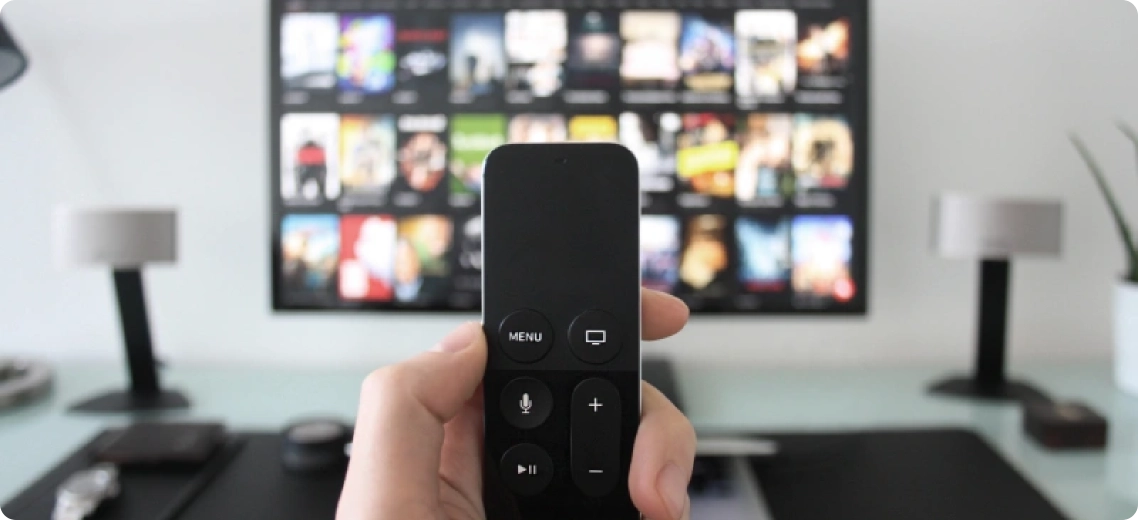
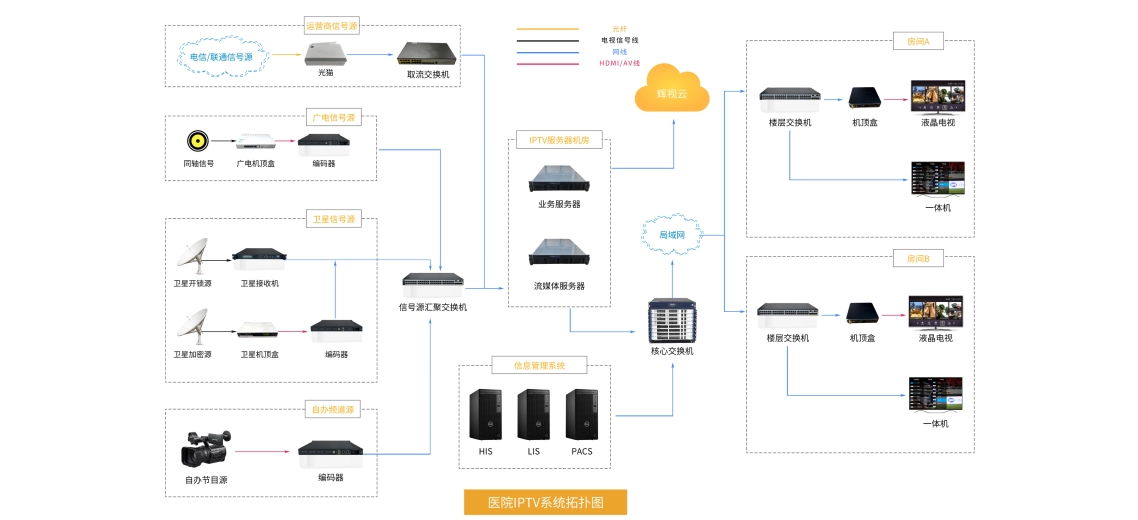
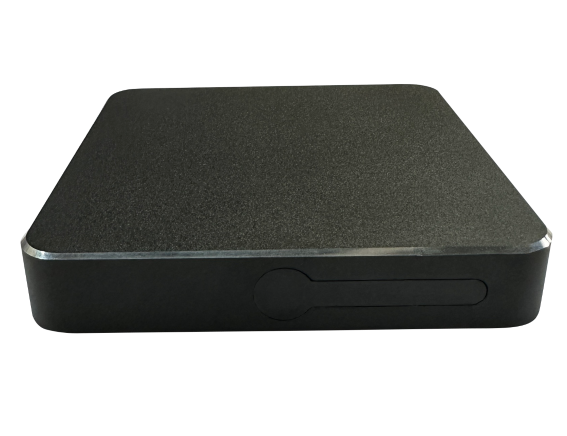
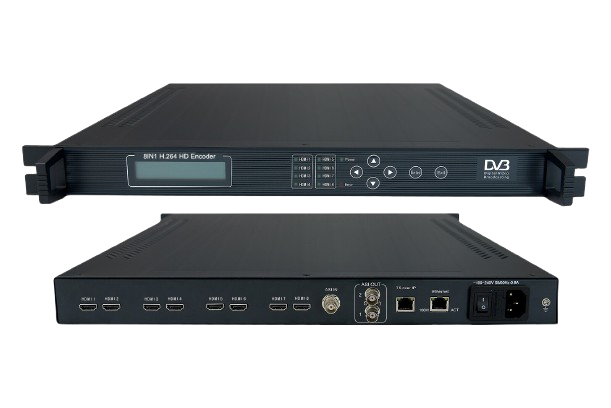
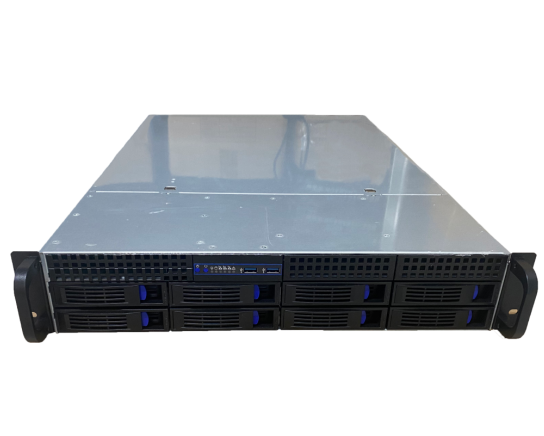
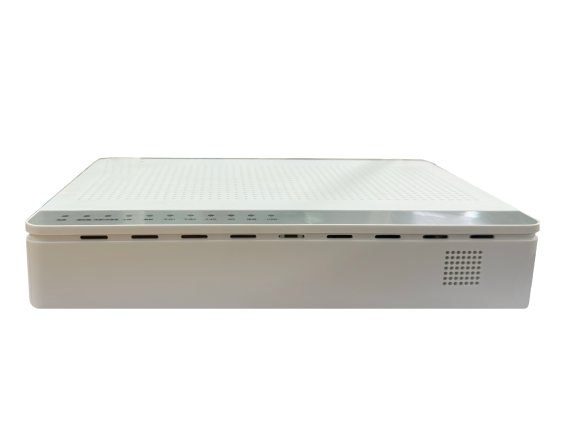
The IPTV solution for hospital applications is built upon existing infrastructure, encompassing signal acquisition and encoding, content management, transmission networks, and terminal device architecture.
Functionalities encompass live television broadcasting (multi-channel, customised groupings, time-shifted viewing), video-on-demand (entertainment and medical content), hospital information dissemination, interactive services (feedback, consultation, call functions), and personalised recommendations. Implementation enhances patient experience, optimises medical workflows, strengthens hospital management, and offers superior cost-effectiveness compared to traditional cable television. Future integration with emerging technologies will foster greater intelligence, accelerating healthcare digitalisation.
1. Provide hospitalised patients with live television broadcasts, on-demand films/series, music radio stations and similar content to alleviate anxiety and boredom during hospital stays (e.g. post-operative recovery periods, long-term inpatients).
2. For special groups (e.g. paediatric patients), tailor cartoons and interactive children's health videos; for elderly patients, offer adapted content such as traditional opera and wellness programmes.
1. Integrates hospital HIS/LIS system data to deliver personalised information to patients via IPTV.
2. Examples include daily treatment schedules (medication, tests), test result notifications (text + voice interpretation), next-day care arrangements, and doctor's rounds times. This reduces patient anxiety about ‘unknown procedures’ and improves compliance.
1. Deliver condition-specific rehabilitation guidance videos (e.g., orthopaedic post-operative exercises, diabetes dietary management) and disease prevention knowledge (e.g., influenza protection, post-operative infection control). Content undergoes medical team review to ensure professionalism.
2. Patients may revisit content at any time, offering greater comprehensibility than printed manuals.


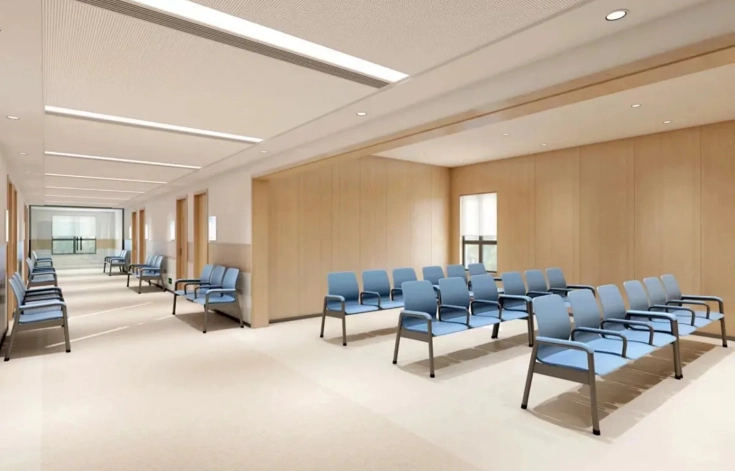
In outpatient/inpatient waiting areas, IPTV displays real-time synchronised queue information (e.g., consultation room call-outs, examination queue progress) and surgical/treatment updates (e.g., ‘Patient XX undergoing surgery, estimated remaining duration: 1 hour’), alleviating family anxiety and preventing missed critical milestones.
1. Broadcast practical information including payment procedures, pharmacy counter locations, medical insurance policy explanations, and car park navigation;
2. For first-time visitors' families, display department specialist profiles and specialised treatment offerings (e.g., physiotherapy equipment in the Rehabilitation Department) to facilitate rapid familiarisation with hospital services.


1. Distribution of medical technical training videos (e.g., laparoscopic procedure protocols) to all departments
2. Latest clinical guidelines (e.g., updated COVID-19 treatment protocols) and infection control procedures, with on-demand access enabling shift-based staff to utilise fragmented time for learning.
1. During emergencies (e.g., urgent consultations, equipment malfunctions), push real-time notifications via IPTV to relevant departments (e.g., Emergency Department, Equipment Department).
2. Routinely publish departmental meeting schedules, healthcare staff roster adjustments, and other information to enhance internal collaboration efficiency.


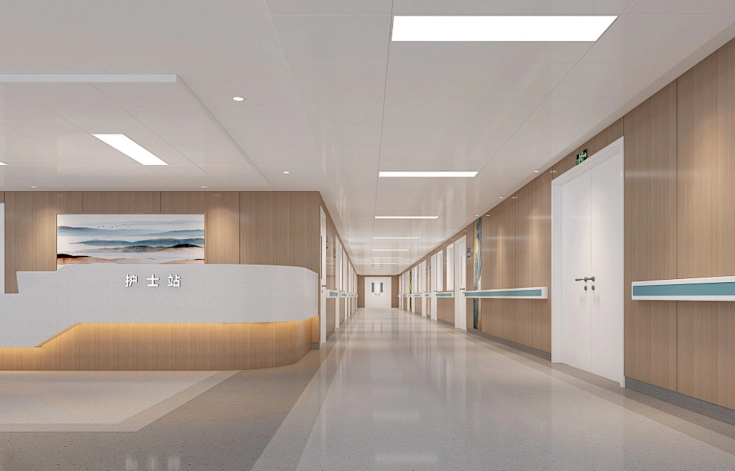
1. In public areas such as lobbies and corridors, broadcast the hospital's developmental history, key departmental achievements (e.g., research breakthroughs from the Oncology Centre), and accounts of medical staff's pandemic response/voluntary medical services to convey professional expertise and compassionate care;
2. Interweave public service announcements (e.g., smoking cessation campaigns, first-aid awareness) to fulfil social responsibilities.
1. Provide real-time updates on available appointment slots, specialist cancellation notices, and adverse weather guidance (e.g., rainy-day entrance directions).
2. Ensure patients promptly access critical information.。


Management Platform
Develop a visualised backend supporting content uploads, moderation, and zone-specific distribution. Enables real-time monitoring of terminal online status and playback metrics, with remote device restart capability to streamline operational maintenance.
User Interaction System
Terminal interfaces feature streamlined design, allowing patients to swiftly switch between live streaming, on-demand viewing, and information queries via remote control. For elderly users, font enlargement and simplified operation steps are available.
Bandwidth Allocation
Dedicated bandwidth shall be allocated exclusively for IPTV services, preventing resource contention with hospital administrative networks and medical equipment. This ensures uninterrupted high-definition video streaming (with individual terminal bandwidth requirements of approximately 4-8 Mbps).
Network Segmentation
VLAN technology shall be employed to segregate IPTV networks from clinical operational networks, thereby preventing data breaches or cyberattacks from compromising diagnostic systems. Concurrently, Quality of Service (QoS) prioritisation shall be implemented to guarantee unimpeded transmission of critical emergency communications.
Content Security
Implement a content review mechanism to prohibit the broadcast of non-compliant programmes; health education videos must undergo review by medical professionals to ensure their technical accuracy and reliability.
Privacy Protection
Patient fees, examination reports and other sensitive information require login verification (e.g. entering the last six digits of the admission number) to prevent unauthorised access; system logs record only essential operations and do not store sensitive data.


400-839-9003
1202, Building B, Nanxian Commercial Plaza, Nanyuan New Village,
Hongshan Community, Minzhi Street, Longhua District, Shenzhen