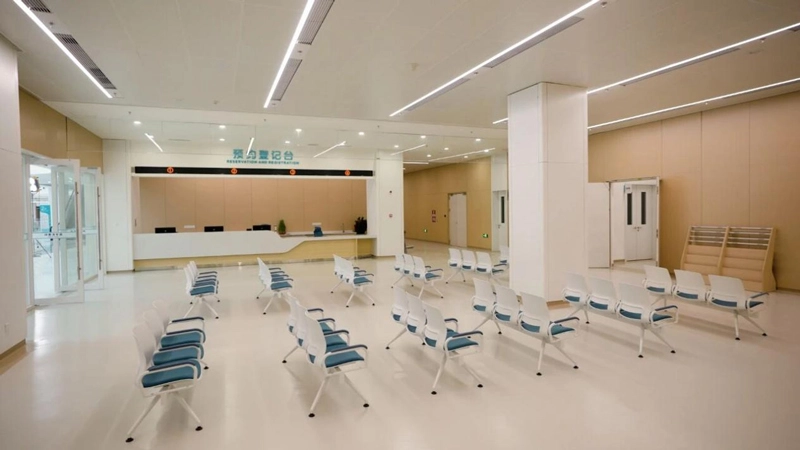
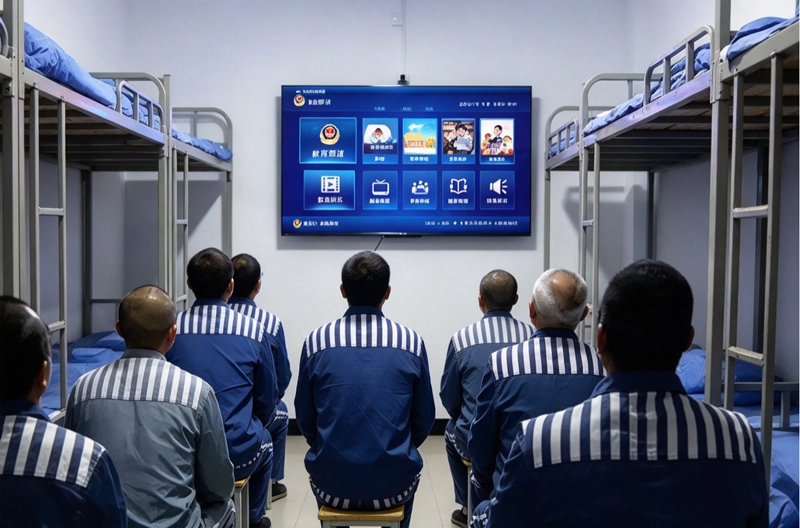
Traditional prison management models face challenges such as information silos, slow response times and fragmented resources, making it difficult to meet today’s increasingly complex regulatory requirements. As a pioneer and practitioner in the field of smart interaction, Huishi is leading the way in prison management, ushering in a new era of intelligent, efficient and collaborative operations through its innovative smart prison interaction system.
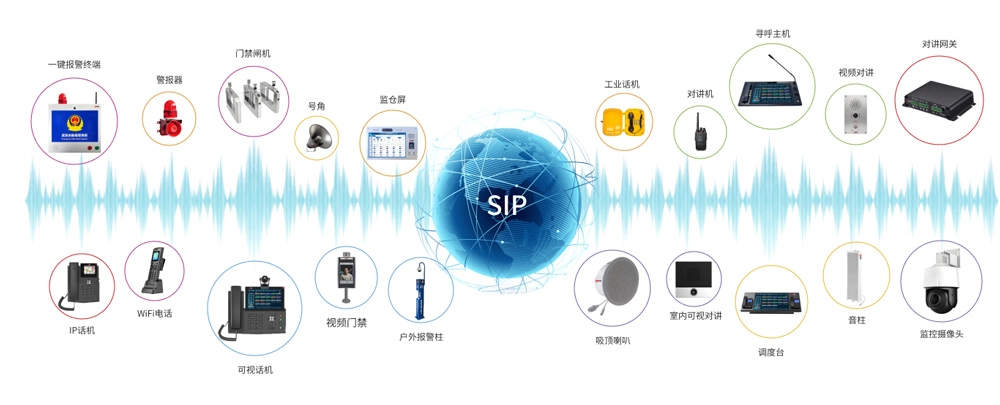
Global Broadcast Convergence under the SIP Protocol
The Huishi Prison Intelligent Interaction System is not merely a simple aggregation of technologies, but rather a comprehensive management platform built upon standard TCP/IP networks and the SIP protocol. It has completely broken down the silos between traditional public address, intercom and audiovisual education systems, achieving a deep integration of ‘public address, intercom, video linkage, audiovisual education and emergency command’ into a single, unified system. By fully utilising the prison’s existing network resources, the Huishi system establishes a seamlessly connected interactive network, ensuring millisecond-level transmission and feedback of instructions, thereby erecting an impenetrable digital defence for prison security.
Establishing a rigorous three-tier control system
Through its ingeniously designed core equipment, the Huishi System has established a rigorous three-tier control system spanning from the command centre to the cell terminals, ensuring comprehensive, all-encompassing intelligent monitoring.
1. Intelligence Hub: Command Centre Dispatch Host and Convergence Server
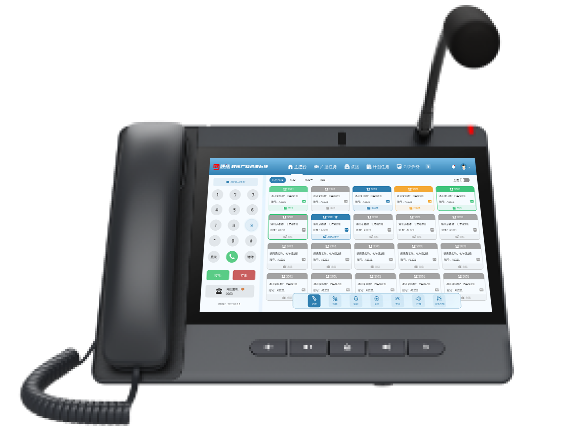
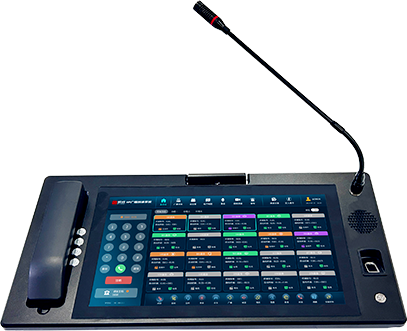
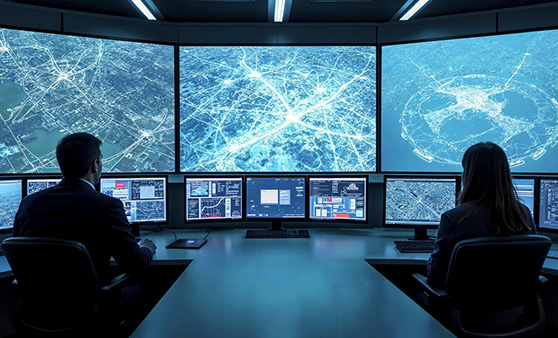
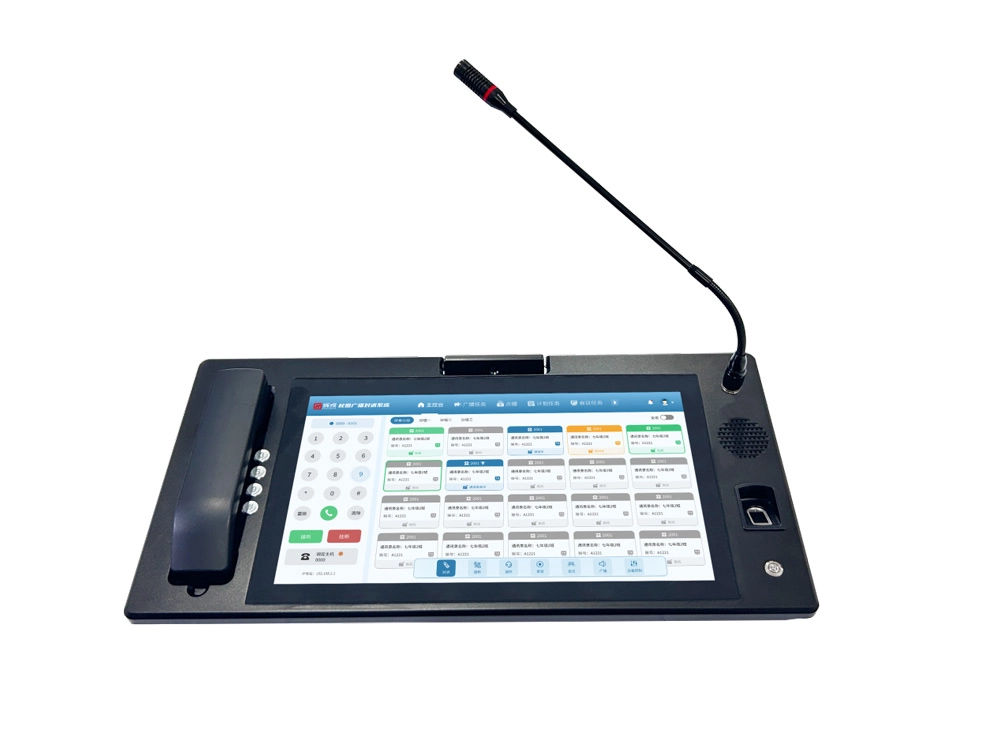
As the ‘brain’ of the entire system, the command centre is equipped with a large-screen visual dispatch console and a convergence server, which together form an efficient decision-making and management platform.
• Control console: Equipped with a high-definition large screen, a gooseneck microphone and a PTT button, it supports high-definition voice calls and video patrols. Managers can initiate a site-wide broadcast at the touch of a button or quickly organise multi-party video conferences, enabling rapid response and efficient decision-making in the event of an emergency.
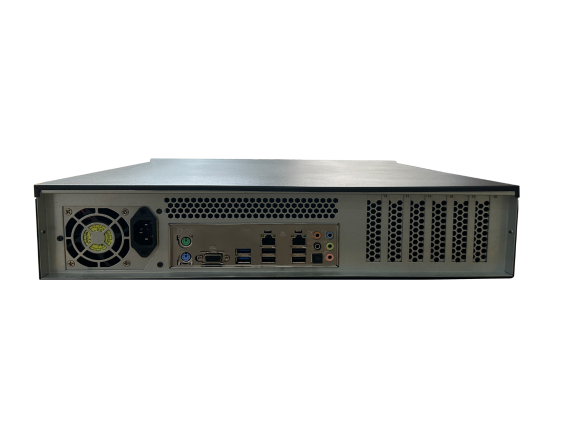
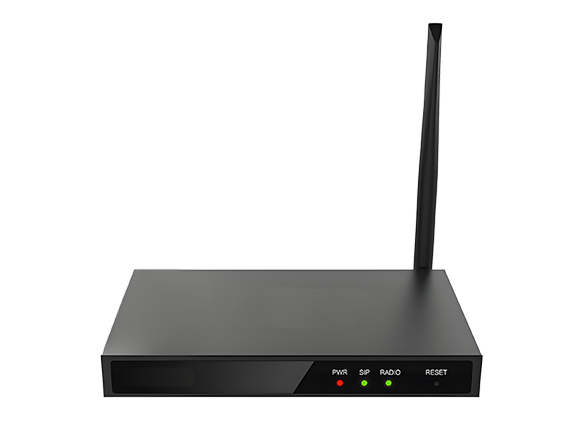
• Convergence Server: As an entry-level hyper-converged front-end product, it not only handles signalling interactions across the entire network, but also supports the centralised configuration, status monitoring and log auditing of terminals in detention areas, ensuring the system operates reliably 24/7 and providing robust data support for smart detention management.
2. Cell-to-cell communication: In-cell display
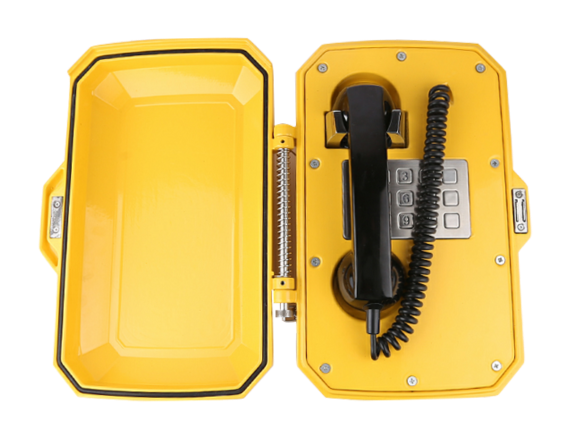
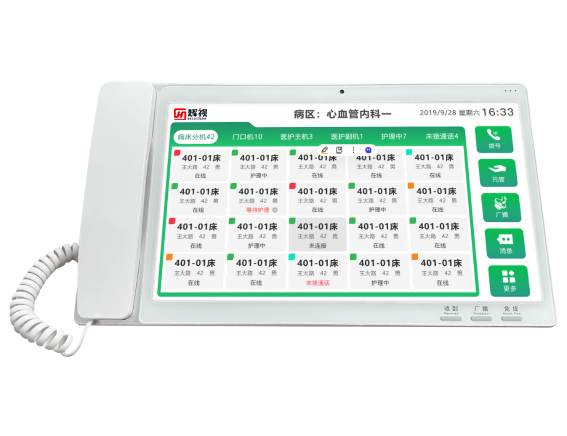
The Huishi Smart Cell Screen serves as the most direct and user-friendly communication link between inmates and prison staff. It integrates public address and intercom functions with intelligent management capabilities, and has been carefully designed to meet the explosion-proof requirements of correctional facilities.
• Two-way video intercom: Supports 1080p HD two-way video intercom; inmates need only press the emergency button to initiate a real-time audio and video call with the control room, significantly improving the efficiency of emergency response.
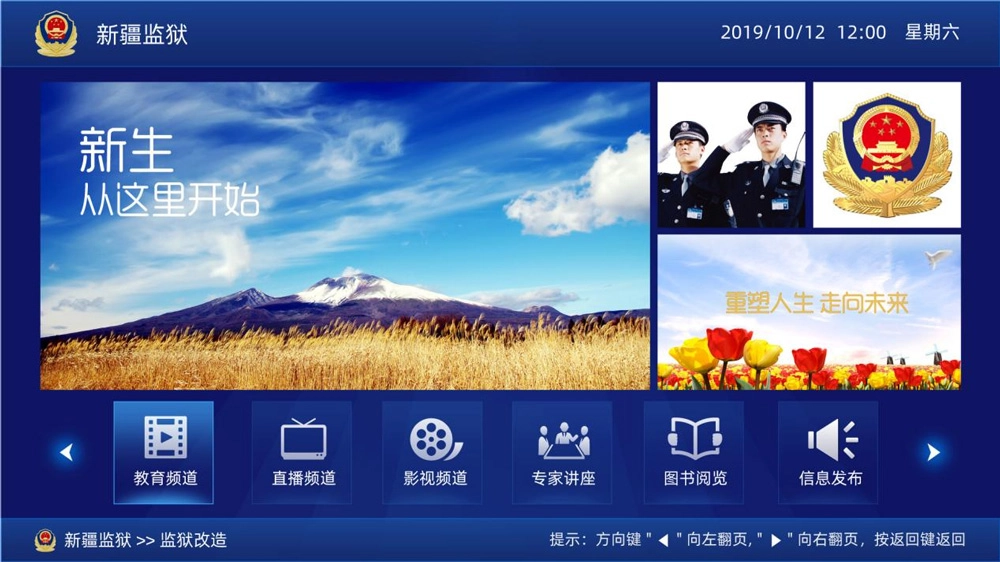
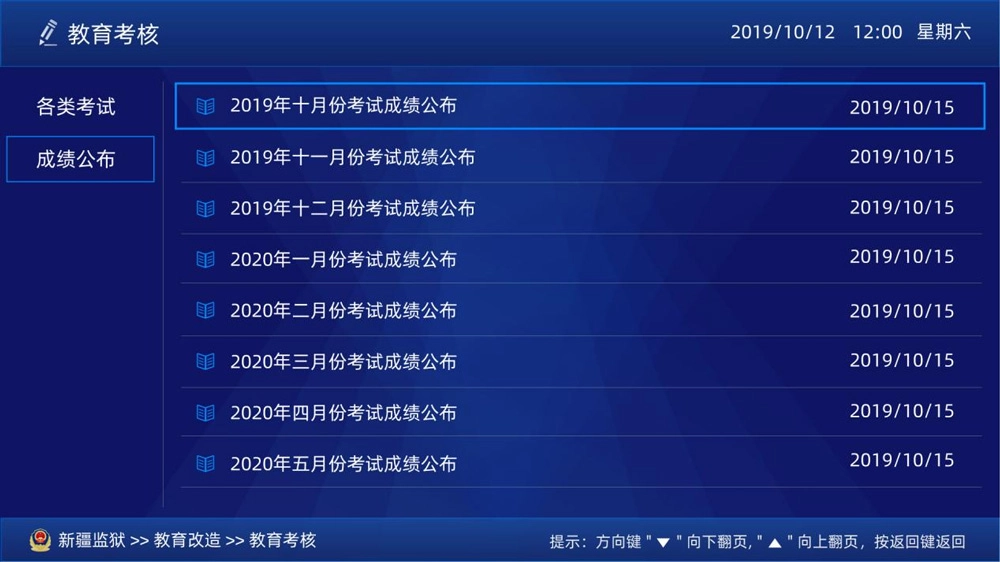
• Integration of educational technology: Television terminals provide seamless access to educational content, enabling inmates to conveniently search for information, participate in counselling sessions or watch educational videos. This approach meets the needs of educational rehabilitation whilst effectively mitigating the risk of crowd gatherings, thereby achieving ‘education through the screen’.
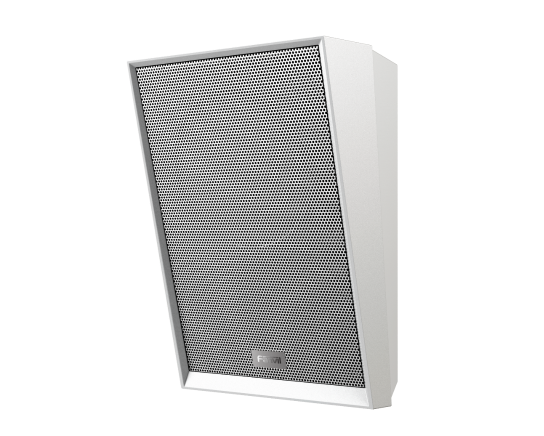
3. Terminal coverage: SIP sound columns/ceiling-mounted speakers
Educational television screens and SIP column/ceiling-mounted loudspeakers have been installed throughout the cells, corridors and communal areas to ensure comprehensive coverage of public address announcements.
Interactive Educational Television: Administrators can remotely control the television via the backend to switch it on and off, change channels and insert video content, thereby enabling the targeted delivery of educational resources.
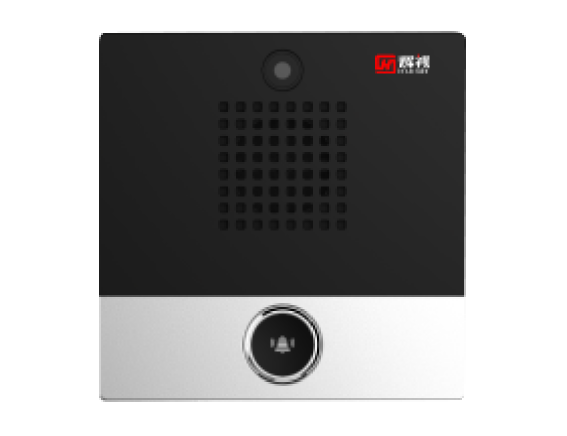
• SIP public address terminal: Utilises G.722/Opus high-definition encoding and supports ambient monitoring and remote volume control. Whether it is daily schedule announcements or emergency broadcasts, messages are delivered with clear, loud audio, ensuring that no information is missed.
Building core competitiveness in smart regulation
The Huishi Prison Smart Interaction System is not merely a collection of technologies; rather, it delivers distinctive value, infusing prison management with unprecedented intelligence and capability.
1. Seamless integration of emergency response and educational guidance
One of the core strengths of the Huishi system lies in its robust ‘broadcast-audiovisual’ integration mechanism. In the event of emergencies such as prison breaks or disturbances, the system can interrupt routine audiovisual content within milliseconds and switch to emergency instruction broadcasts (such as ‘All prison wings to seal off their areas’), whilst simultaneously triggering surveillance cameras to transmit live footage of the scene back to the command centre. This mechanism, which ensures “instructions are transmitted within seconds and footage is relayed in real time”, effectively prevents the spread of panic and buys valuable time for emergency response, providing a lifeline that traditional systems cannot match.
2. Precise management of educational resources to enable ‘teaching tailored to individual needs’
Leveraging the SIP system’s sophisticated zoning capabilities, the Huishi solution enables the precise, targeted delivery of educational resources. The system can deliver tailored educational content to inmates based on criteria such as prison block, length of sentence and type of offence. For example, it broadcasts legal education programmes for juvenile offenders and provides vocational skills training videos for those nearing the end of their sentences. Administrators can remotely control playback progress via the audiovisual education system, effectively preventing the dissemination of unauthorised content. This truly puts the principle of ‘teaching according to individual aptitude’ into practice, thereby enhancing the effectiveness of educational rehabilitation.
3. Tamper-proof and explosion-proof design, combined with comprehensive monitoring, ensures compliance and traceability
Given the unique nature of the prison environment, all Huishi terminals (such as in-cell screens) feature an industrial-grade design that is waterproof, tamper-proof and explosion-proof, ensuring the equipment operates reliably in harsh conditions. The system supports 24-hour synchronised audio-visual recording and call recording, with a full audit trail of all operations, thereby fully meeting the compliance and traceability requirements of judicial supervision and providing a solid foundation for the fair administration of justice.
Everyday and emergency applications of smart regulation
Day-to-day management: The system can play daily routine bells at scheduled times, automatically switch the televisions in the cells on and off, and broadcast announcements regarding group education, thereby ensuring the automation and standardisation of day-to-day management.
Emergency Response: In the event of a dispute within a cell or if an inmate exhibits suicidal tendencies, inmates can trigger an alarm at the touch of a button via the in-cell screen. Officers on duty can issue a remote warning via the control console to deter the incident, whilst simultaneously activating nearby cameras to swiftly pinpoint the scene, enabling rapid intervention and effective control.
HuiShi Paves the Way for a New Chapter in Smart Justice
The widespread adoption of the Huishi Prison Smart Interaction System marks the full transition of prison management into a new era of digitalisation and intelligent technology. Through the seamless integration of SIP-based public address and intercom systems with the audiovisual education system, this solution has not only significantly reduced operational and maintenance costs (by utilising a shared IP network and minimising redundant cabling) but has also created a more transparent, standardised and humane rehabilitation environment for inmates.