The 15th Five-Year Plan has been formally adopted. One trend is abundantly clear: over the next five years, the projects that will truly generate profits will no longer be ‘isolated initiatives’, but rather ‘scenario-based digital and intelligent upgrades’.
This plan is not merely a policy document; it is, in fact, a ‘roadmap’. Healthcare, education, elderly care and smart cities – which sector will reap the benefits first? Read on to find out.

The full text of the 15th Five-Year Plan runs to 140 pages and is complete and unabridged.Click on the text to visit the ‘Chinese Government Official Website’.
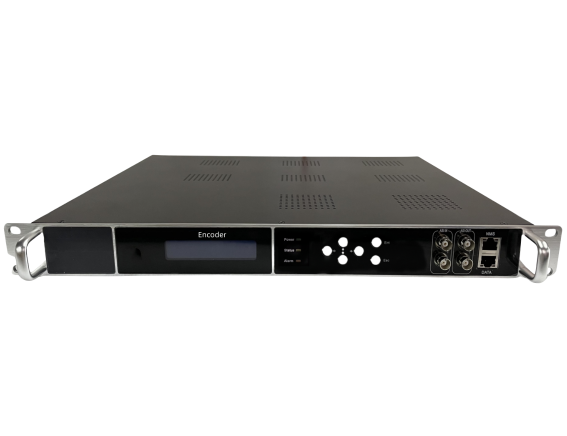
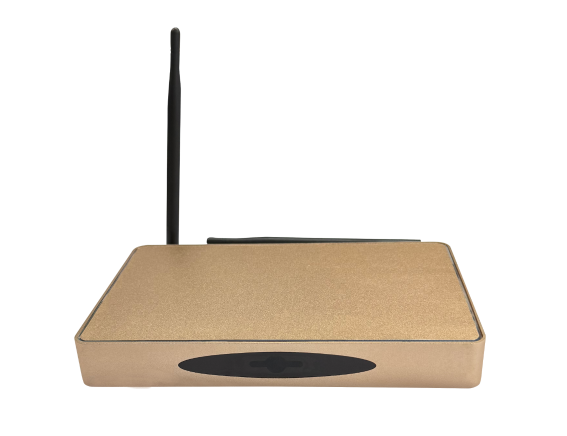
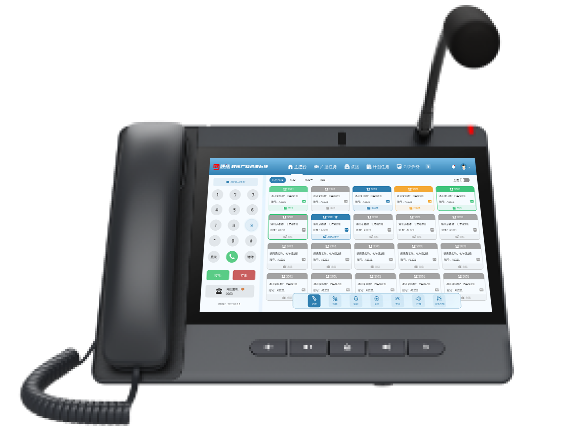
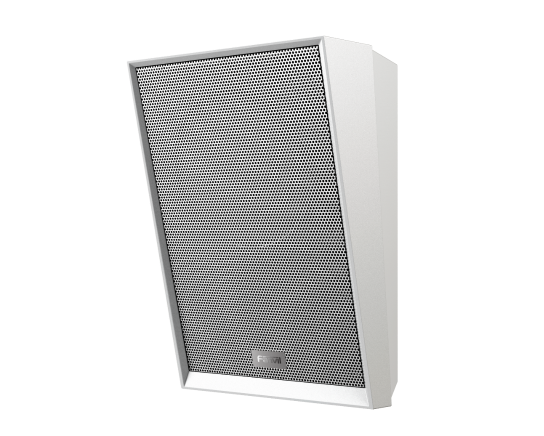
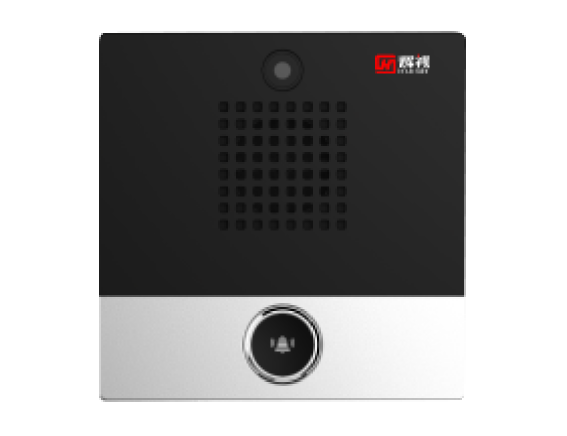
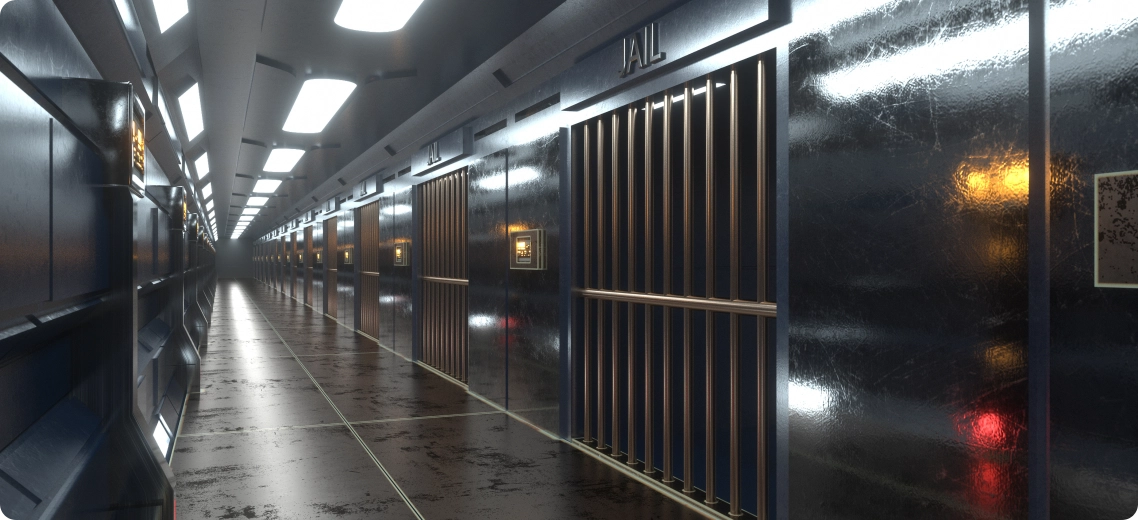
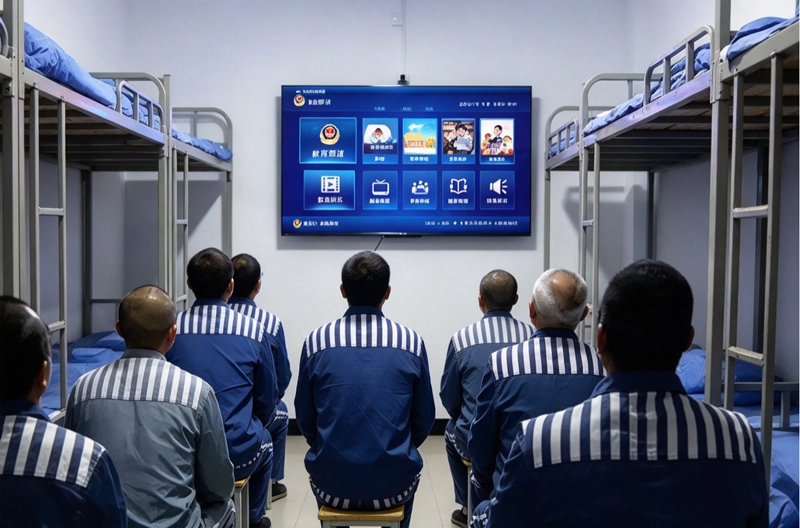
With 17 years of experience in the industry, Huishi, as a provider of integrated audiovisual system solutions, has consistently aligned itself with national strategic priorities. The company has established a strong presence in key sectors such as healthcare, education, elderly care and digital intelligence, developing a range of mature products and digital intelligence solutions, including IPTV systems, information display systems, public address and intercom systems, smart detention centre systems and AI behavioural analysis. Our aim is to help you effortlessly seize the market opportunities presented by the 15th Five-Year Plan.
Strengthening the foundations of healthcare
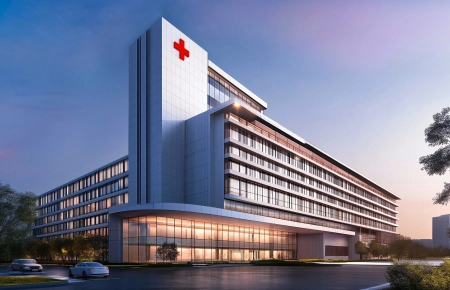
The 15th Five-Year Plan explicitly states that public health capacity must be continuously strengthened, with the aim of steadily increasing life expectancy to 80 years. This reflects the state’s deep concern for the health and well-being of the people and represents a significant opportunity for the development of the public health system. The focus will be on the following three key measures:
· Establish 1,000 integrated county-level healthcare consortia; this initiative aims to enable local residents to access high-quality healthcare services close to home and will directly accelerate the roll-out of projects such as telemedicine and smart wards.
· Support will be provided to a number of secondary hospitals in various cities to develop specialised rehabilitation and nursing services; the development of smart nursing systems and rehabilitation information platforms will be a key focus.
· We will work to improve the quality and efficiency of 125 regional medical centres across the country, ensuring a more rational allocation of healthcare resources. This will require more advanced information dissemination and patient guidance systems, as well as internal management platforms.
Hui Shi Practical Observations:
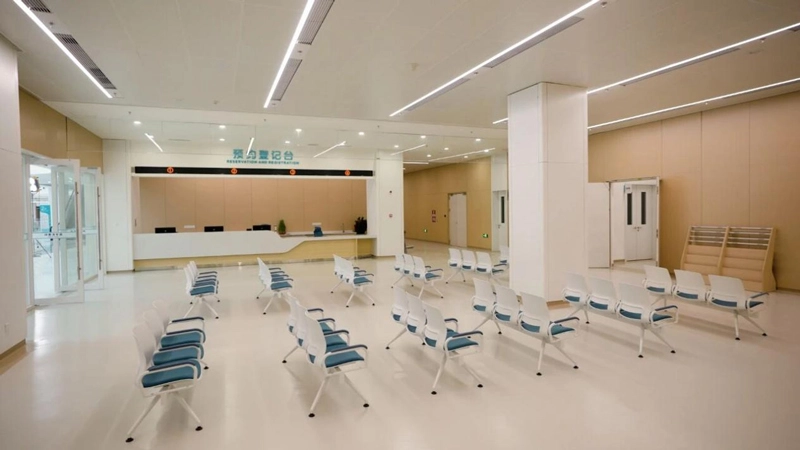
Among the hospital projects we have worked on, the common challenges faced by county-level hospitals are ‘uneven distribution of resources, poor communication, and outdated equipment’. Huishi’s hospital IPTV system effectively bridges the video communication gap between county, township and village levels, and helps to effectively decentralise medical resources through features such as medical education and public health outreach.
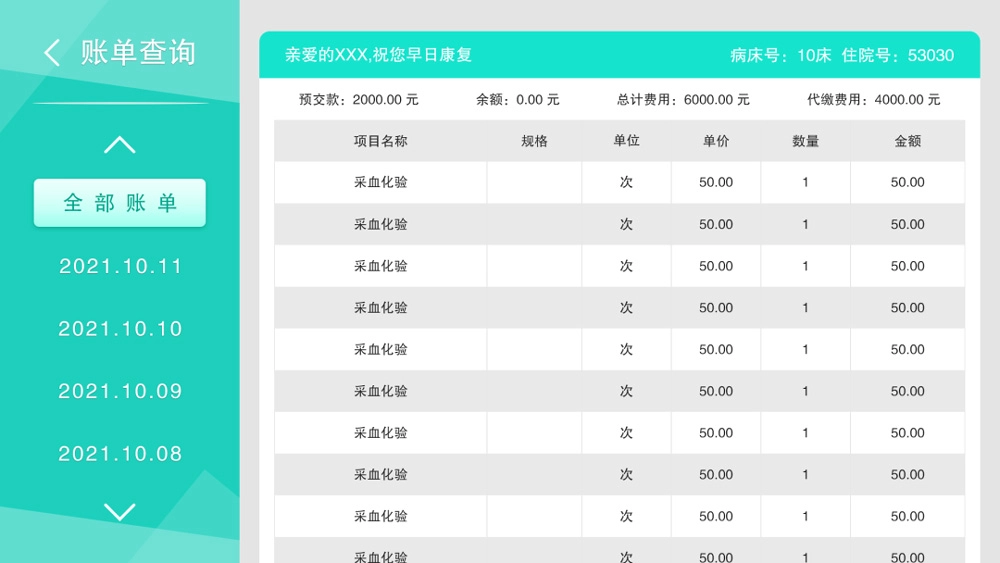
Deyang People’s Hospital, Sichuan – click on the image for more details
Expanding and improving the quality of education
During the 15th Five-Year Plan period, the education sector will accelerate the development of a resource allocation mechanism that adapts to demographic changes, with the aim of raising the average years of schooling for the working-age population to 11.7 years. Efforts will focus on the following three key areas:
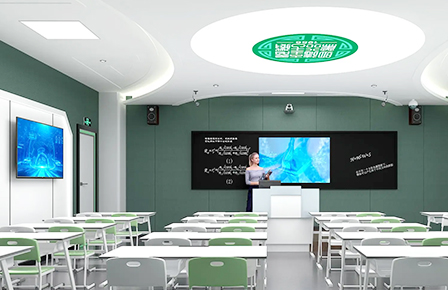
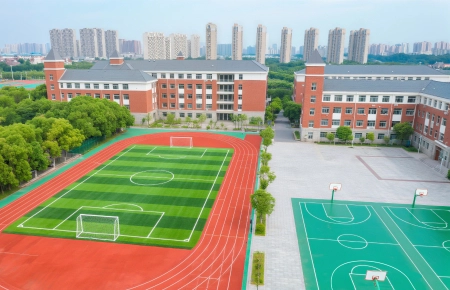
· The construction, renovation and expansion of 1,000 high-quality general secondary schools aims to expand the supply of high-quality educational resources and create more than 2 million additional school places. This means that integrated projects such as smart campuses, smart classrooms, information display systems and campus broadcasting will see significant growth.
· Support will be provided for the establishment of 500 new high-quality industry-education integration training centres, with a view to deepening industry-education integration and school-enterprise cooperation, and enhancing the practical skills of vocational education. The focus will be on the development of virtual laboratories, the upgrading of training equipment, and the establishment of an industry-education integration information platform.
· Moderately expand the scope of the ‘Double First-Class’ initiative and the scale of undergraduate enrolment to promote the expansion and enhancement of higher education. This requires support from more advanced digital education strategies, research information platforms and intelligent campus management systems.
Hui Shi Practical Observations:
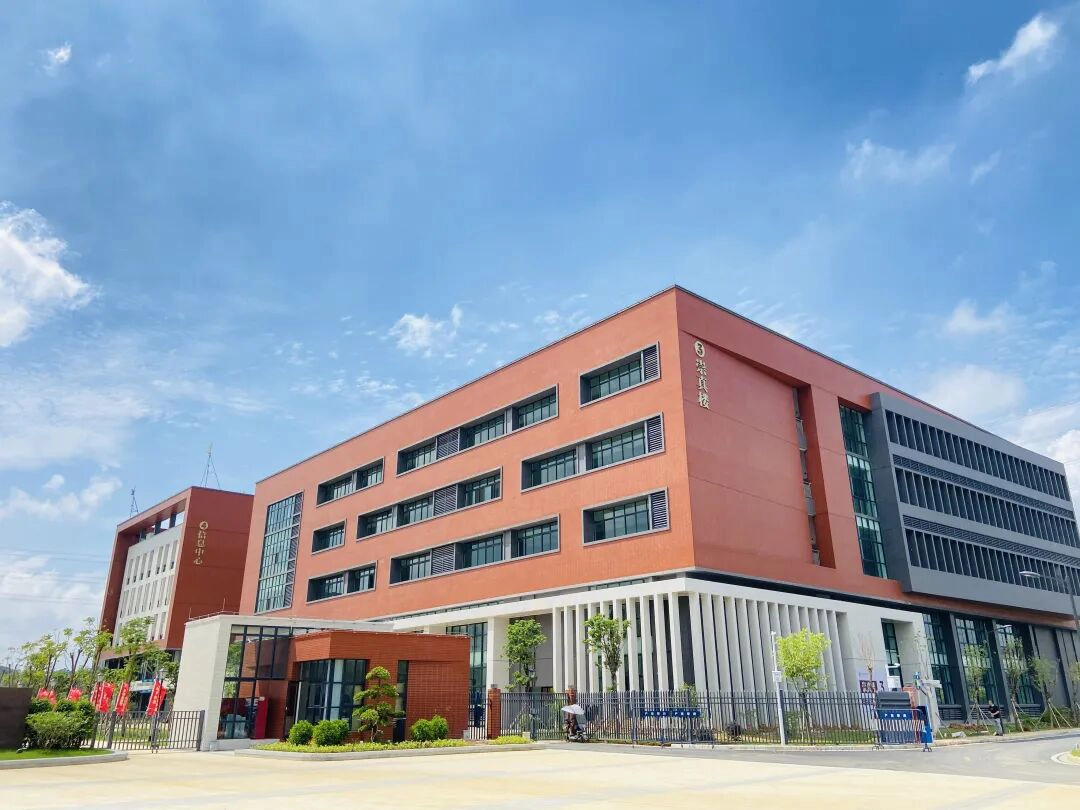
The development of smart campuses has shifted from a focus on ‘standalone hardware’ to ‘scenario integration’. Through the deep integration of systems such as IPTV, information display and public address systems, Huishi has established a comprehensive, real-time digital management ecosystem for schools, significantly enhancing campus security and the efficiency of educational outreach.
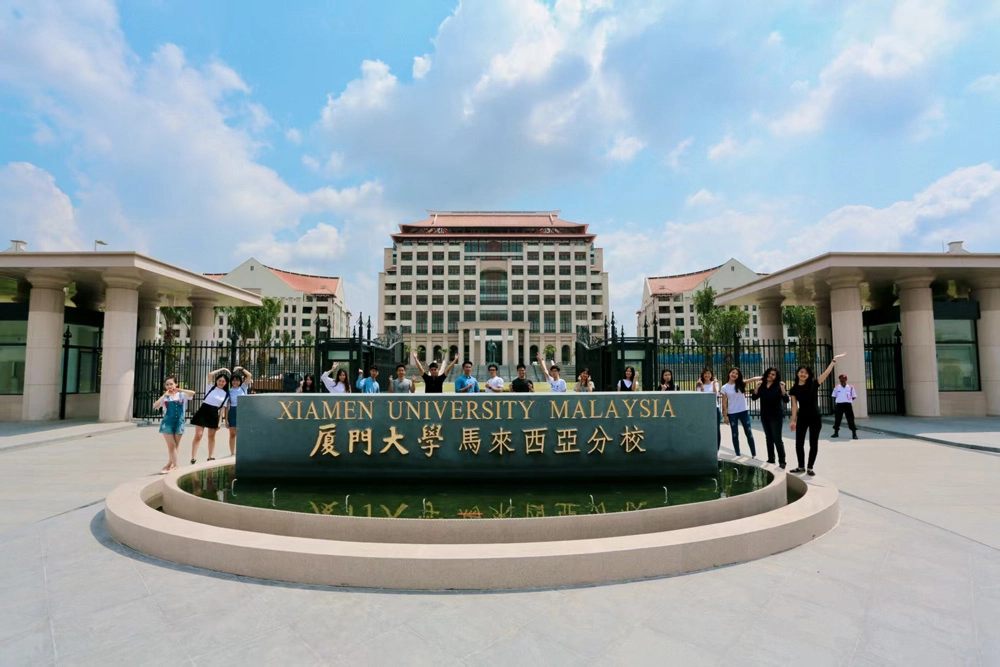
Xiamen University Malaysia Campus IPTV System – click on the image for more details
The Silver Economy and Smart Ageing
In response to the trend of an ageing population, the 15th Five-Year Plan has set out a roadmap for the smart upgrade of the elderly care service system, focusing on the following three key areas:
· To help approximately 2,000 state-run care homes meet Grade 2 or higher standards; the aim is to enhance the care capacity of these facilities and roll out smart service systems across the board. This implies that integrated projects such as smart care IPTV, smart nursing, and smart fire safety and security systems will see an explosive surge in demand.
· Addressing shortcomings in community-based elderly care facilities to increase coverage to 70 per cent; enhancing the capacity of grassroots care services to enable residents to age in place. Information dissemination, IPTV and remote monitoring systems will be key priorities in this development.
· Supporting general hospitals in developing integrated healthcare and elderly care services, encouraging primary care facilities to improve their service infrastructure, and enhancing the role of AI in healthcare and elderly care requires more advanced medical hardware, as well as integrated systems such as AI behavioural analysis, queue management and patient call systems, staff intercoms, and hospital IPTV.
Hui Shi Practical Observations:
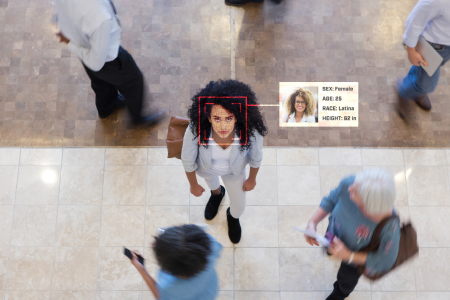
The core of care home services lies in ‘safety’ and ‘care’. Huishi’s AI behavioural analysis system monitors abnormal behaviours, such as falls, in real time. Combined with the remote care functions provided by the IPTV interactive system, it offers care homes a dual safeguard of ‘digital intelligence and human touch’.

Smart City Project
The 15th Five-Year Plan explicitly calls for the further advancement of the ‘Digital China’ initiative. The following three key vertical sectors are set to experience explosive growth:
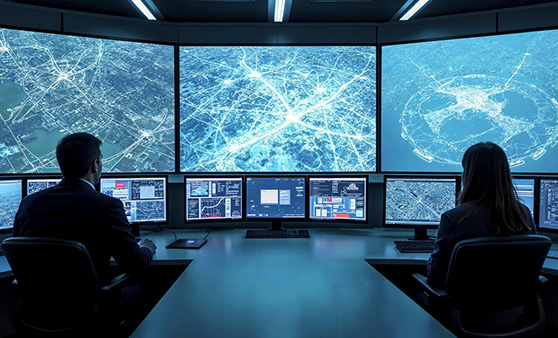
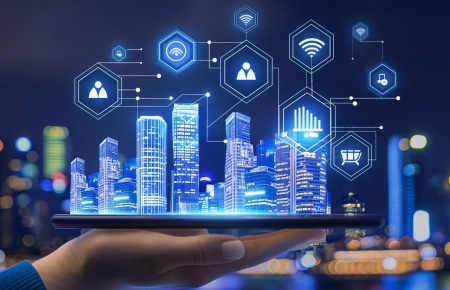
· Advance the digital transformation of the entire city and improve the operational management service platform; highly integrated projects such as the command centre and the smart government service hall will shift from being ‘showcase’ facilities to ‘operational’ ones.
· The ‘Eight Vertical and Eight Horizontal’ high-speed rail network and the national motorway network will be completed; information dissemination, public address systems and smart dispatch systems at stations and airports will also be key priorities.
· Approximately 770,000 kilometres of various utility networks, including urban gas and drainage systems, will be constructed and upgraded; smart upgrades will be implemented in parallel to ensure the safety of these underground ‘lifelines’. This has created a vast market for retrofitting projects in the fields of two-way radio communication, surveillance displays and data visualisation.
Hui Shi Practical Observations:
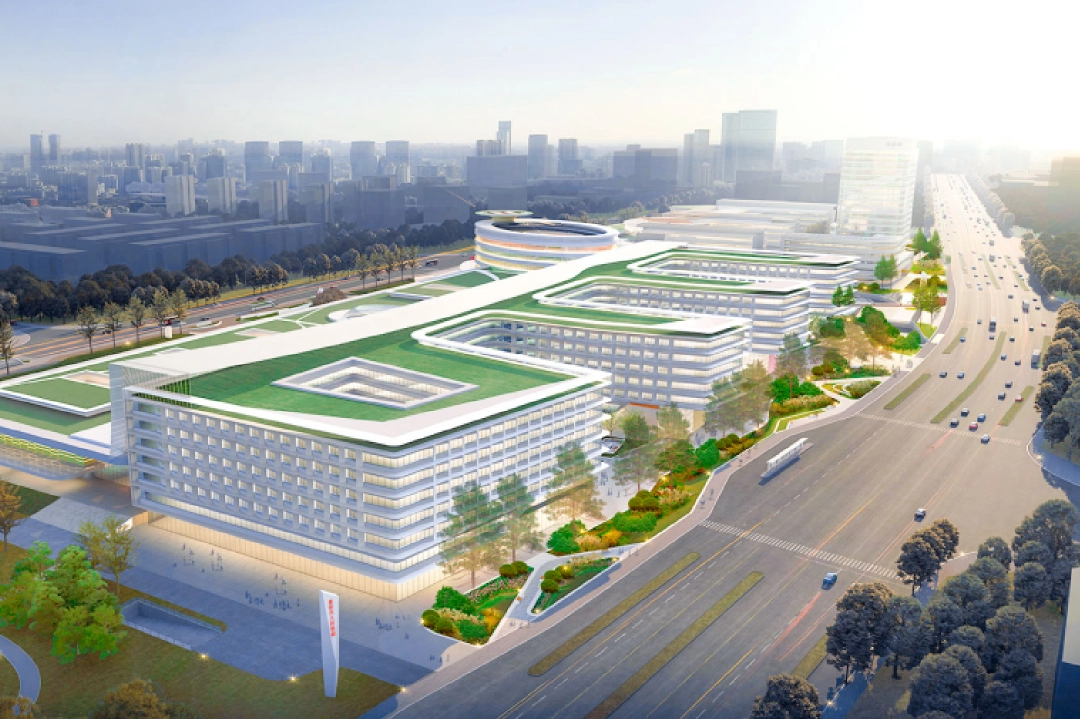
The essence of digital and intelligent engineering lies in ensuring that ‘data is visible and instructions are effectively communicated’. In the emergency command centre and transport hub projects in which Huishi has been involved, we have utilised large-screen information display systems to aggregate data from multiple sources in real time, whilst integrating communication, broadcasting and intercom functions to ensure coordination between the command centre and frontline operations within seconds.

The essence of digital and intelligent engineering lies in ensuring that ‘data is visible and instructions are effectively communicated’. In the emergency command centre and transport hub projects in which Huishi has been involved, we have utilised large-screen information display systems to aggregate data from multiple sources in real time, whilst integrating communication, broadcasting and intercom functions to ensure coordination between the command centre and frontline operations within seconds.
The next five years hinge on the first year; strategic planning begins now. We will continue to focus on scenario-based digital and intelligent upgrades, building a highly integrated suite of solutions—including IPTV systems, information display systems, public address and intercom systems, smart detention centre systems, and AI behavioural analysis—tailored to settings such as hospitals, hotels, care homes and schools. In doing so, we aim to help our clients capitalise on the development opportunities presented by the 15th Five-Year Plan, ensuring the efficient implementation of projects and the realisation of their value.