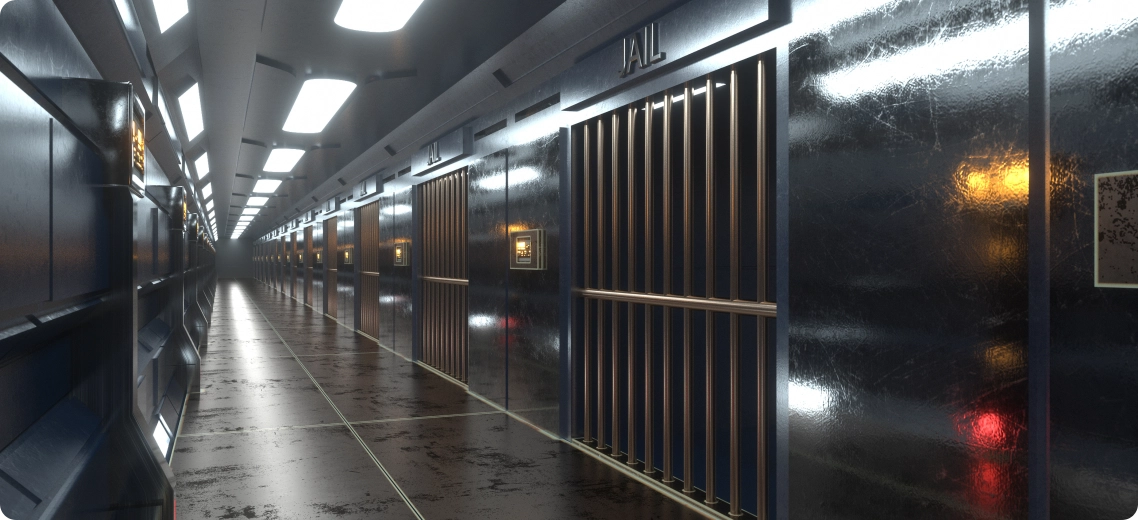
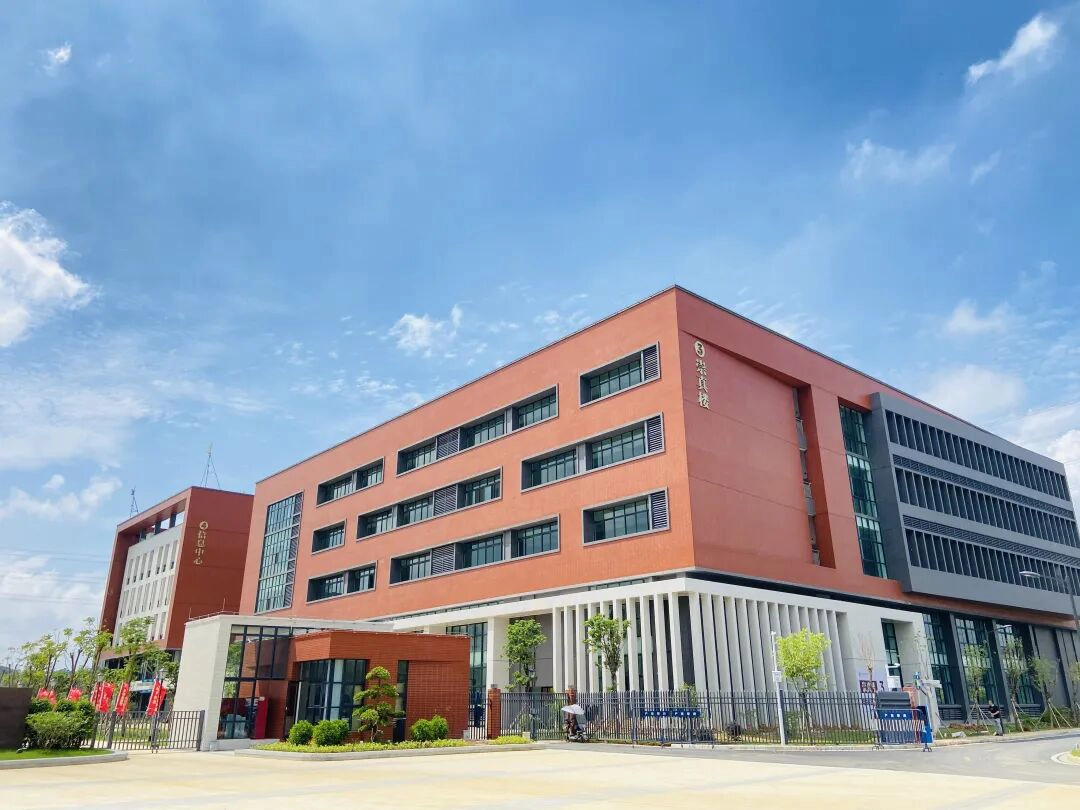
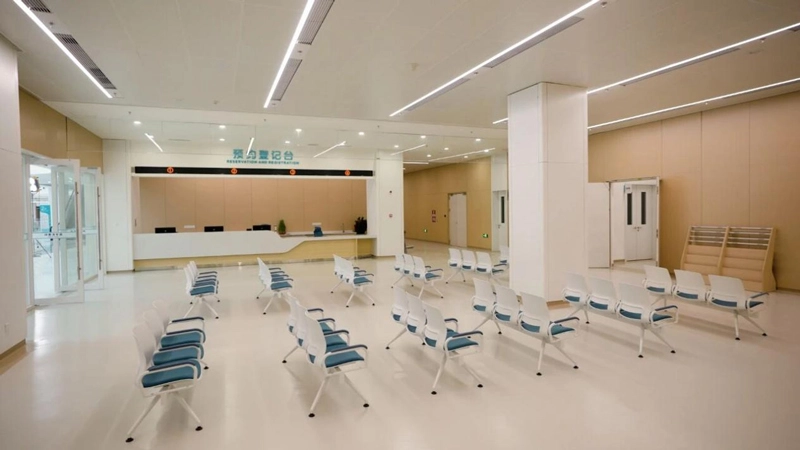
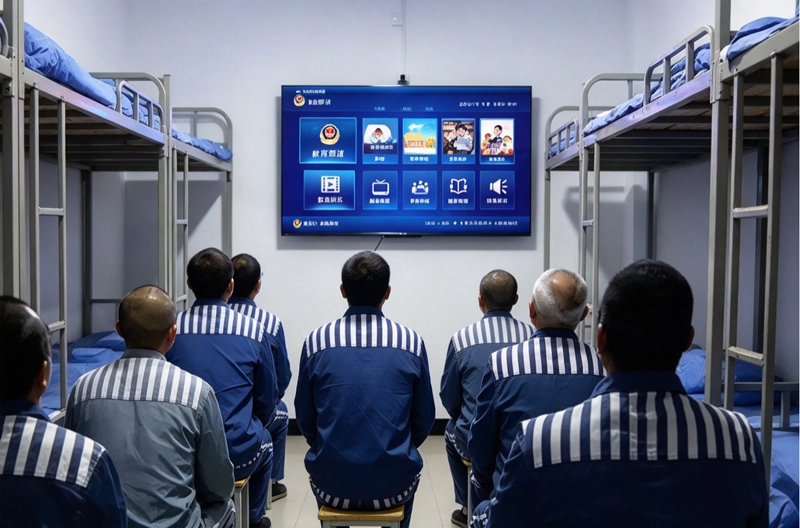
As the development of smart prisons and smart detention centres continues to advance, the management of prison wings is gradually moving towards digitalisation, visualisation and intelligent systems. As a key piece of infrastructure for the day-to-day management of prison wings, the cell communication system not only facilitates routine communication but also plays a vital role in responding to security incidents, handling emergencies and ensuring unified command.
Traditional voice intercom systems are capable of meeting basic communication needs; however, as the digitalisation of correctional institutions continues to advance, they are no longer able to meet new management requirements in areas such as on-site information gathering, system integration and operational coordination. Video intercom systems for prison cells—which integrate audio-visual communication, alarm linkage, patrol management and centralised dispatch capabilities—are gradually becoming an integral part of the digitalisation of correctional institutions, providing more intuitive communication support for prison block management.
What is a cell video intercom system?
The Cell Video Intercom System is an integrated audio-visual communications system designed for use in correctional facilities such as prisons, remand centres and drug rehabilitation centres.
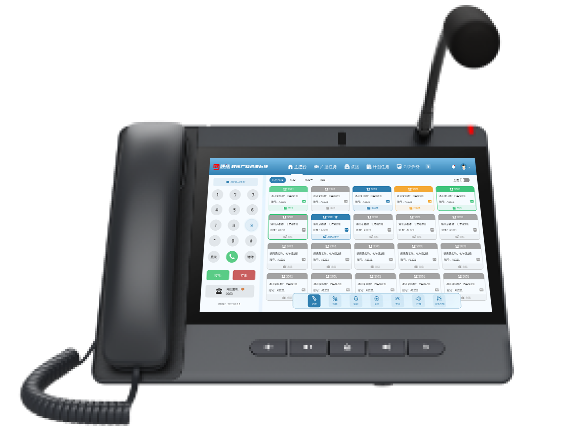
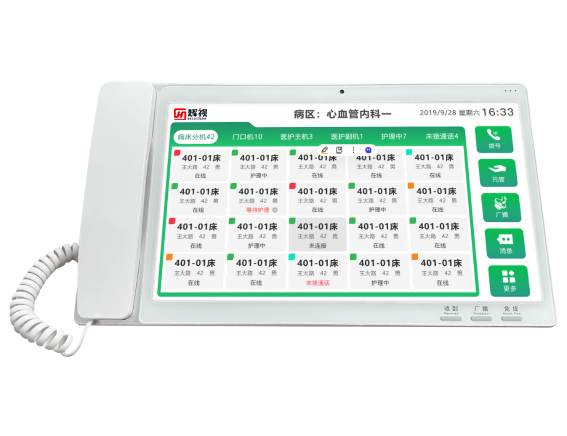
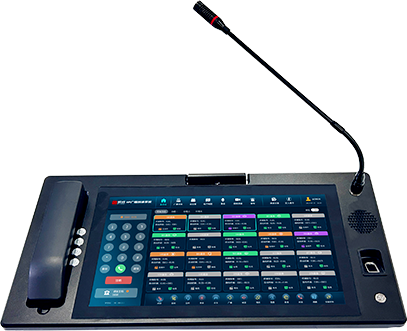
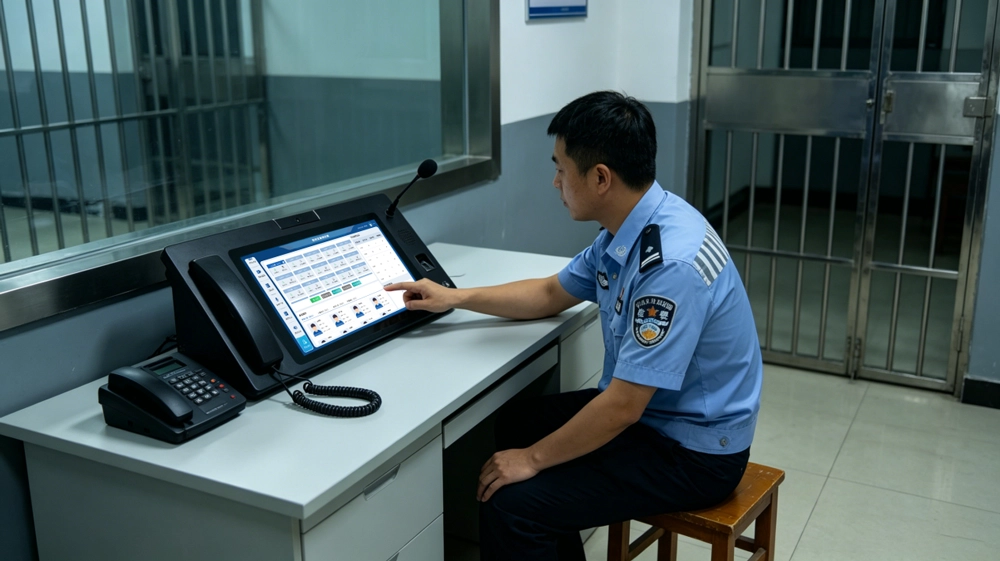
With the cell interaction platform at its core, the system integrates terminals such as screens inside and outside the cells, the control room management host, the dual-screen dispatch host and video intercom sub-units, thereby enabling real-time audio and video communication between the cells and the control room, as well as between the cells and the command centre. It also incorporates functionalities such as one-touch alarm, patrol management and access control integration, thereby establishing a cell interaction platform that combines communication, management and dispatch capabilities.
Compared with traditional voice intercom systems, the video intercom system for prison cells retains voice communication capabilities whilst introducing video interaction and system integration mechanisms, thereby providing additional information support for day-to-day supervision within prison wings, the handling of security incidents and centralised coordination.
Why do traditional prison intercom systems need upgrading?
As prison management models continue to evolve, traditional cell intercom systems are gradually revealing certain limitations in practical use.
The methods of obtaining information are rather limited
Traditional systems rely primarily on voice communication; duty officers are unable to view live footage of the scene in real time and must rely largely on verbal descriptions of conditions within the detention cells, which can easily compromise on-site judgement in complex situations.
Insufficient system integration capabilities
Systems such as intercoms, CCTV and alarm systems operate independently of one another; in the event of an incident, staff must manually switch between multiple platforms, which hinders operational coordination and on-site response.
The emergency response process is rather lengthy
Following an emergency, incidents typically need to be reported up the chain of command and confirmed manually; the numerous stages involved in information transmission affect the efficiency of the police response.
Day-to-day supervision relies on manual processes
Tasks such as inspections, monitoring and status checks are primarily carried out manually, and there is a lack of centralised management and process documentation capabilities.
Consequently, the development of a video intercom system for prison cells—integrating audio and video communication, alarm linkage and centralised dispatch—has become one of the key priorities in the digital transformation of smart prisons.
How is centralised management achieved for the cell video intercom system?
The cell video intercom system utilises a unified management platform to centrally connect multiple operational terminals, enabling the integrated operation of audio and video communications, alarm linkage and data management.
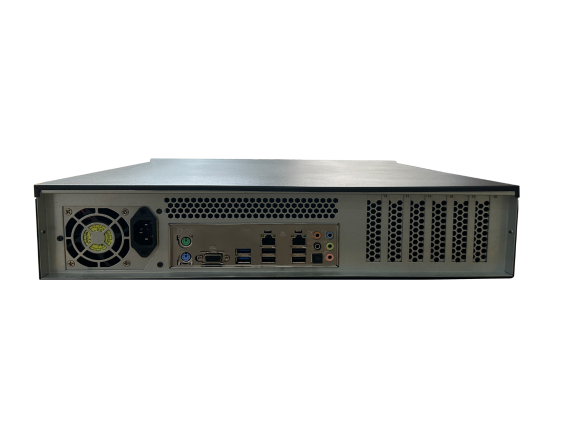
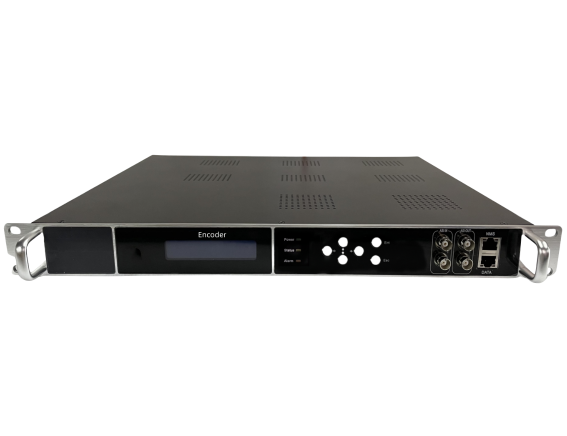
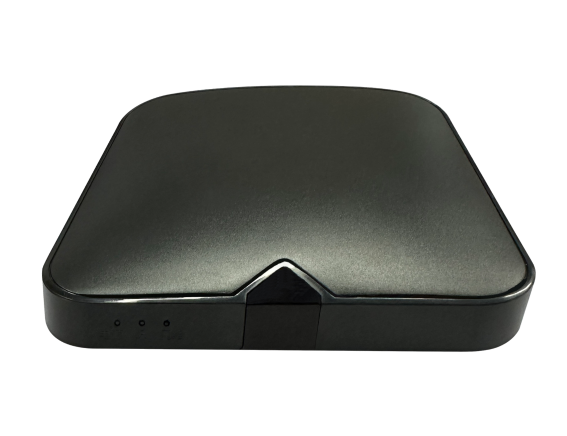
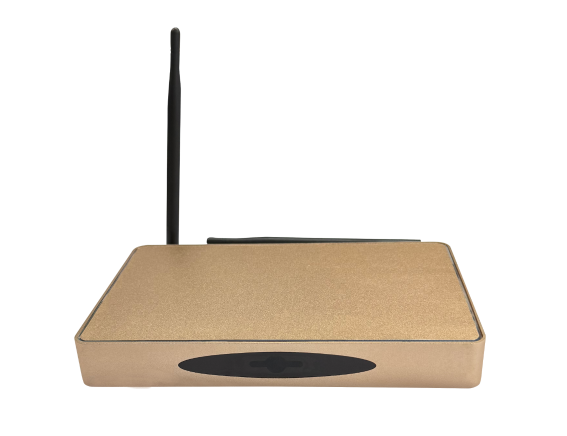
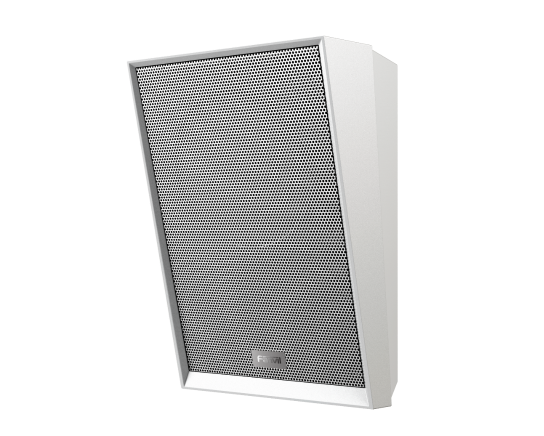
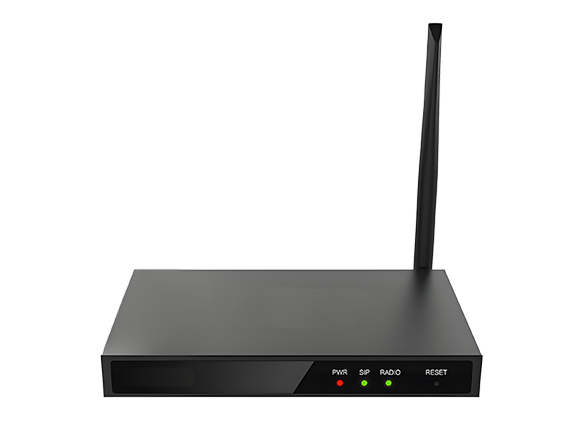
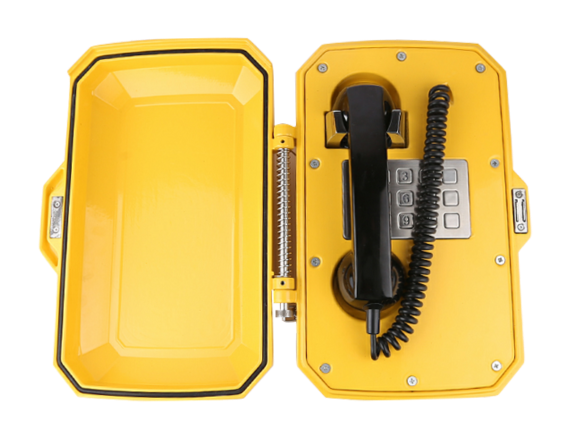
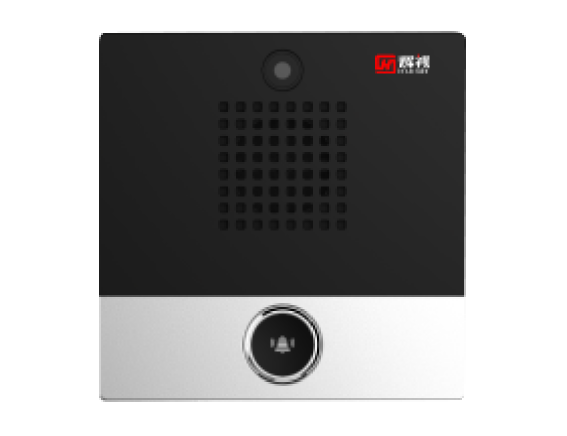
The system primarily comprises the following equipment: cell interior screen, cell exterior screen, control room management unit, dual-screen dispatch unit, and video intercom sub-unit.
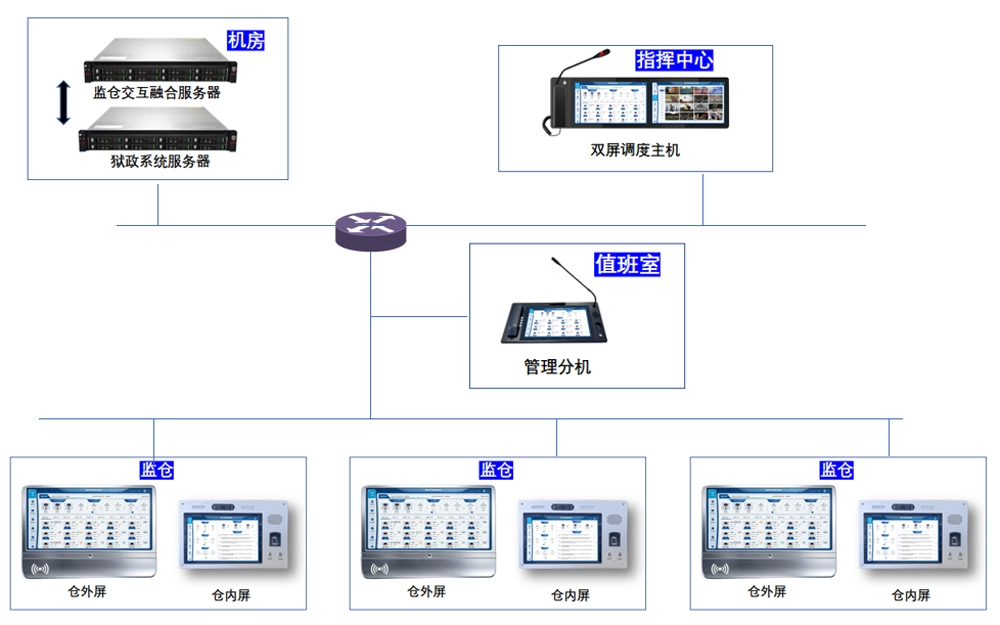
All terminals are integrated into a unified access management platform, enabling interconnectivity between detention centres, control rooms and the command centre, and providing communications support for day-to-day supervision, centralised coordination and emergency response.
Key Features
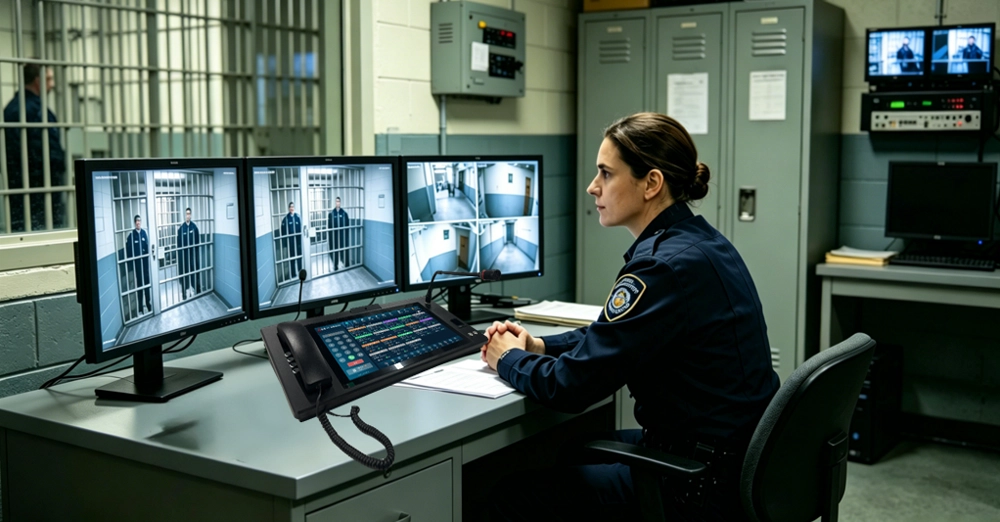
Real-time audio and video intercom
The detention cells and the duty room support real-time two-way audio and video communication. Duty officers can view live footage from the detention cells in real time and communicate via voice, providing support for assessing on-site situations and facilitating day-to-day communication.
One-button emergency alert and interlocking system
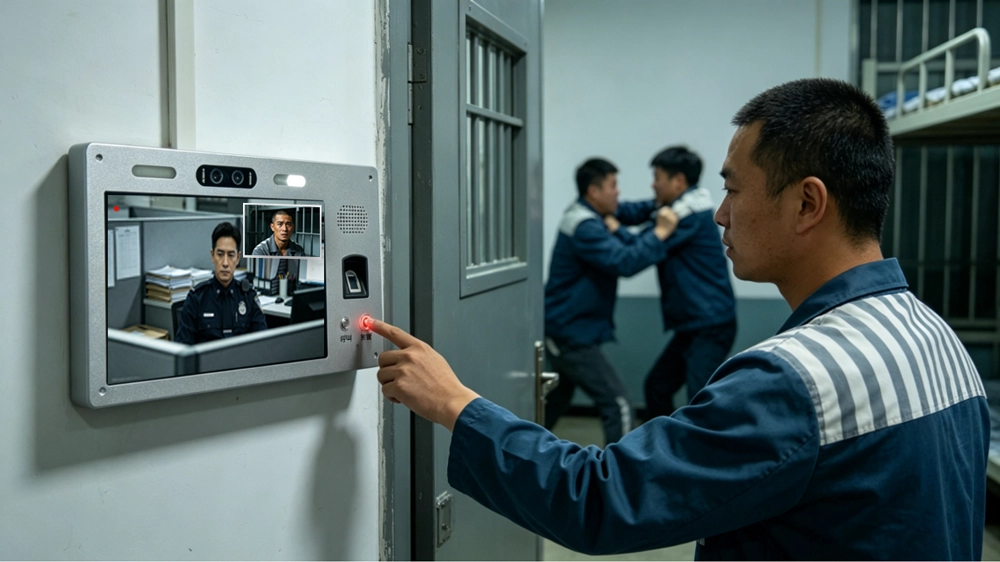
A one-touch alarm button is installed in each cell. When the alarm is triggered, the system automatically sends the incident details to the duty room and the command centre, whilst simultaneously activating video surveillance, audible and visual alarms and other equipment, and retrieving the corresponding cell footage in real time. This reduces response times and provides information support for the handling of emergencies.
Real-time audio monitoring
The system supports real-time audio monitoring of detention cells and allows users to view on-site activity via video feeds, thereby providing assistance with shift management and routine patrols and facilitating a timely understanding of cell operations.
Access Control Integration and Patrol Management
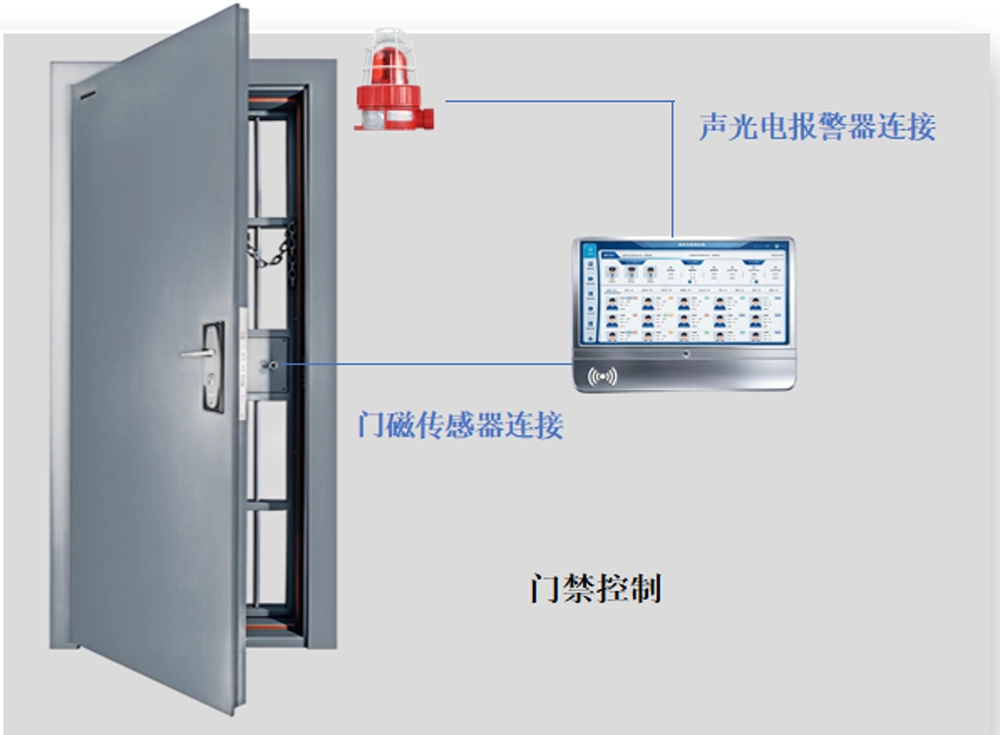
The system supports integration with access control equipment and can execute corresponding controls in accordance with pre-set policies. It also supports functions such as patrol sign-in, patrol routes and patrol record queries, ensuring that patrol activities are properly documented and helping to standardise day-to-day management within the prison wing.
What problems can a video intercom system for prison cells solve?
Compared with traditional voice intercom systems, the video intercom system for prison cells places greater emphasis on the integration of audio and video and operational coordination, helping to improve communication and coordination within prison management.
Through real-time audio and video communication, duty officers can monitor conditions within the detention cells in real time, thereby reducing discrepancies in information transmission; by utilising a one-touch alarm linkage mechanism, surveillance, alarm and dispatch resources can be coordinated to optimise incident response procedures; and through a unified management platform, centralised management of cell communications, patrol management and incident records can be achieved, providing data support for the standardised operation of the detention block.
Typical Use Cases
The cell video intercom system can be used in scenarios such as the development of smart prisons, the digital upgrade of remand centres, the refurbishment of cell intercom systems, the development of integrated alarm systems for correctional facilities, and the establishment of communication systems between control rooms and cells.
At the same time, the system can be integrated with operational platforms such as public address and intercom systems, video surveillance and access control, thereby enabling the coordinated operation of communications within detention areas, emergency response and centralised dispatch, and meeting the IT infrastructure requirements of different detention centres.
The cell video intercom system is a key component of the smart prison’s integrated communications system, and serves as a vital support platform for day-to-day communications and operational coordination within prison wings. By integrating functions such as audio and video communications, one-touch emergency alerts, patrol management and centralised dispatch, the system facilitates information exchange and operational coordination between cells, duty rooms and the command centre, thereby providing communications support for the day-to-day management and emergency response of prison wings.
As the development of smart prisons continues to advance, the video intercom system in prison cells will play a positive role in communication within prison wings, emergency response coordination and day-to-day management, providing stable technical support for the digitalisation and smart development of prisons.