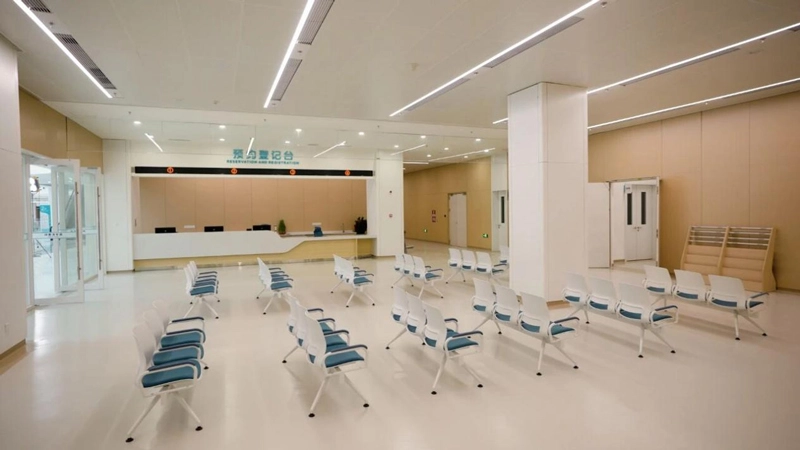
Long, chaotic lines at outpatient clinics, excessive waiting times, and the hassle of running back and forth—these are issues that many hospitals are eager to resolve. After all, the quality of the outpatient experience directly affects patient satisfaction and the hospital’s overall efficiency.
HuiShi has developed a smart hospital queuing and call-up system. Rather than simply replacing manual call-outs with screens, it integrates and manages the entire process—from registration and waiting for appointments to payment, testing, and picking up prescriptions. After implementing this system, several hospitals in China have seen the average waiting time in outpatient departments cut by nearly half.
I. What Exactly Is Wrong with the Queues at Outpatient Clinics?
There are two fundamental issues underlying the long lines at outpatient clinics in many hospitals. One is a lack of standardized procedures, and the other is a lack of transparency.
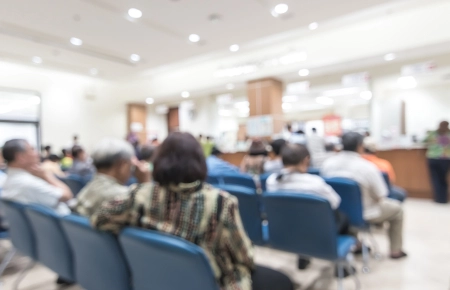
The procedures are inconsistent. After seeing a doctor, patients have to wait in line again to pay, wait in line again for blood tests, and wait in line yet again to pick up their prescriptions. Each step is isolated, forcing patients to run back and forth through the hospital, spending all their time waiting in line. The area outside the examination rooms is particularly chaotic, with patients waiting to be seen, those checking results, and those trying to cut in line all crammed together. Rules regarding what to do if a patient misses their turn or whether the elderly should be given priority are unclear. Nurses spend a significant amount of their time each day explaining these issues and mediating disputes.
There is a lack of transparency. Patients don’t know how many people are ahead of them or how long they’ll have to wait. Feeling uncertain, they don’t dare to leave and are forced to stand and wait outside the examination room.
The root cause of these problems lies in the fact that the various systems within the hospital are not interconnected, and there is no unified set of rules governing queuing.
II. How Does Huishi's Queuing System Work?
The core concept behind Huishi’s queue management system can be summed up in three points: establish clear rules, make progress visible, and streamline the process.
First, let’s look at how tiered queuing can help maintain order from the outset.
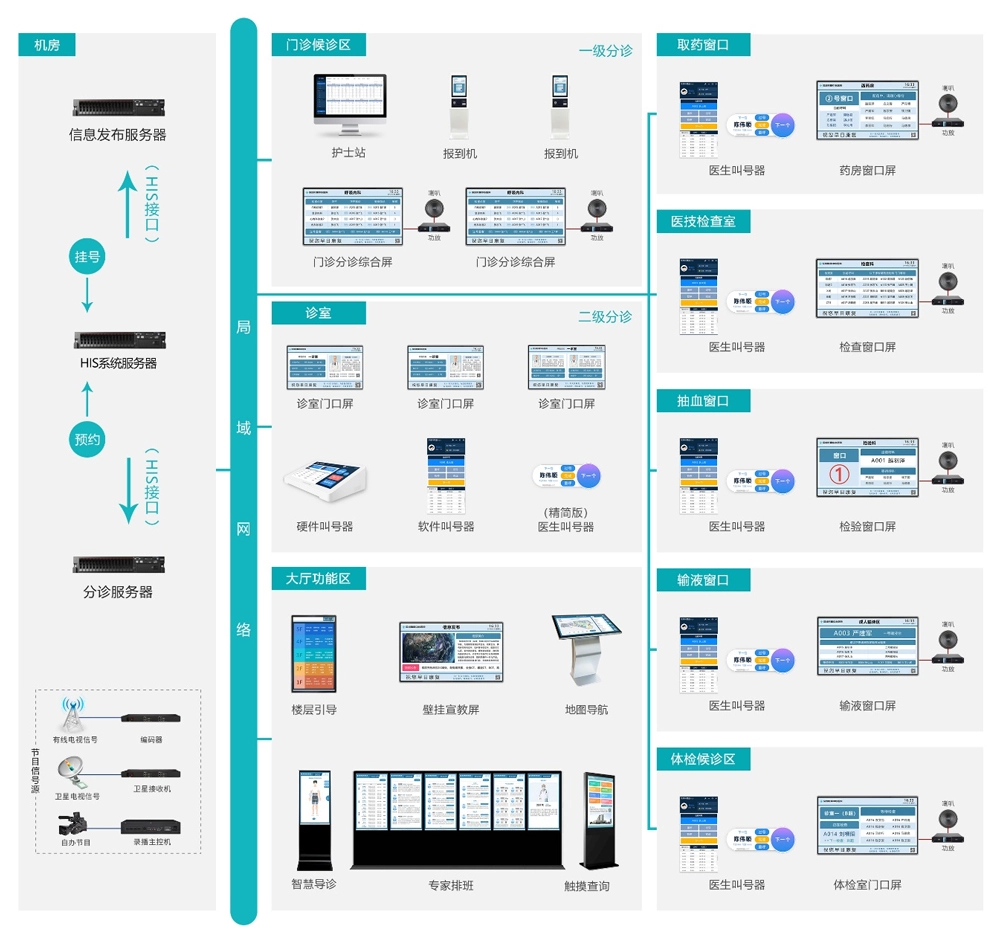
After registering, patients first enter a large waiting area. Once they reach the treatment area, they scan a QR code on a machine to check in; only then does the system add them to the waiting list for a specific examination room. The system will not call the numbers of patients who have not checked in. This effectively controls the number of people waiting in line from the outset.
The queuing rules are also enforced automatically by the system. General patients wait in line in order, while seniors are given priority. If a patient misses their turn, the system automatically moves the next few spots forward. Patients returning from their appointments can simply scan a code to rejoin the line at the appropriate spot. These rules don’t require human explanation; the system calculates them automatically, ensuring fairness and saving time.
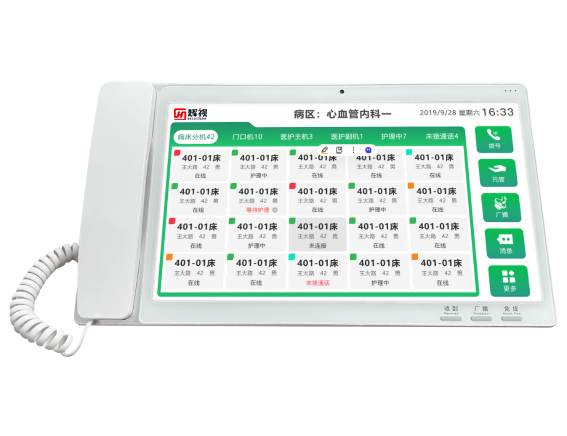
The information display is also organized by size. There is a large screen in the lobby, a medium-sized screen in the waiting area, and a small screen at the entrance to each examination room. No matter where patients are seated, they can see the call status and the number of people waiting. With this information at their fingertips, there’s no need for them to crowd around the entrance.
In addition, we need to integrate the hospital’s various systems to reduce the amount of running around patients have to do.
Huishi's queuing system can integrate with the hospital's HIS system, laboratory system, imaging system, and pharmacy system.
The moment a doctor issues a test order on the computer, a test queue is automatically generated in the background. After paying, patients can go directly to the testing department without having to wait in line again. The same applies to picking up prescriptions: as soon as a doctor issues a prescription, the pharmacy receives the information and prepares the medication in advance. By the time the patient arrives, the medication may already be ready.
For tests that require an appointment, such as ultrasounds and CT scans, the system can automatically schedule appointments for patients. It calculates an optimal sequence in the background, allowing patients to take care of other matters while waiting for their test results. This eliminates unnecessary waiting time.
Once these steps are completed, this queuing system is no longer just a number-calling tool. It becomes a scheduling engine that ties the entire outpatient process together. This is what has led to a significant reduction in average outpatient wait times.
III. Using Data to Help Hospitals Manage Outpatient Services Effectively
Once the system is up and running, it can also track various metrics in real time. The number of patients scheduled for each examination room, the average wait time for patients, and whether doctors are seeing patients quickly or slowly are all clearly displayed on the backend screen.
Hospital administrators can see at a glance where bottlenecks are occurring and where staff are overwhelmed. They can add more doctors where needed or redirect patients as necessary. There’s no need to wait for reports—the system alerts them automatically.
Over time, the accumulated data becomes even more valuable. The system can analyze which departments have the longest wait times during specific hours of the week and then recommend adding an extra doctor during those hours. Making decisions based on data is far more reliable than managing outpatient services based on intuition.
The system automatically tracks doctors' patient caseloads and generates reports at the end of the month, ensuring accuracy and saving on labor costs.
4. The system is stable and easy to install
When hospitals implement new systems, they are primarily concerned about two things. First, the systems are prone to malfunctions. Second, they may not be compatible with existing systems.
Huishi's queuing system can be installed in a hospital's server room or deployed in the cloud. Even if the hospital loses internet connectivity, the system has a backup mode that allows basic call-up functions to continue, ensuring that outpatient services are not disrupted.
Huishi offers standard interfaces for integration with other systems. We have extensive experience integrating with major HIS vendors, and our implementation process is well-established, low-risk, and efficient.
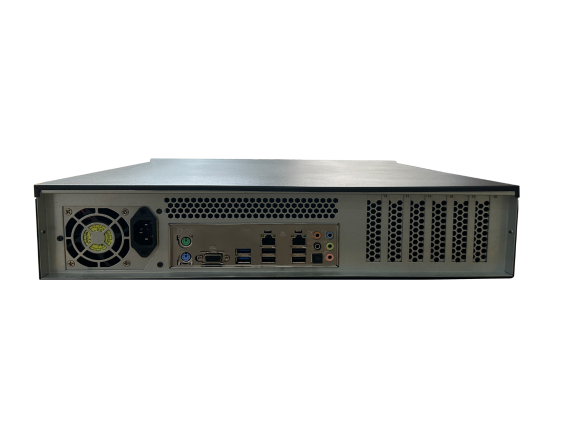
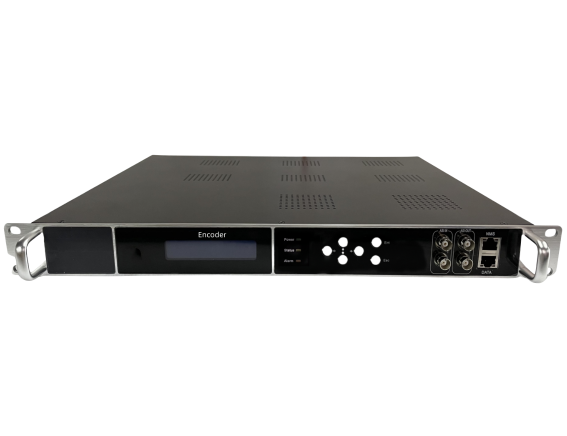
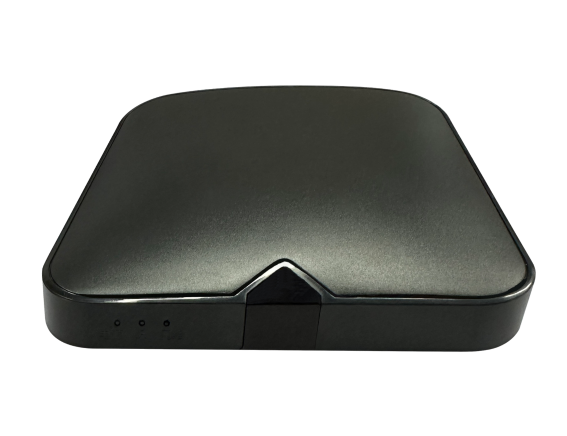
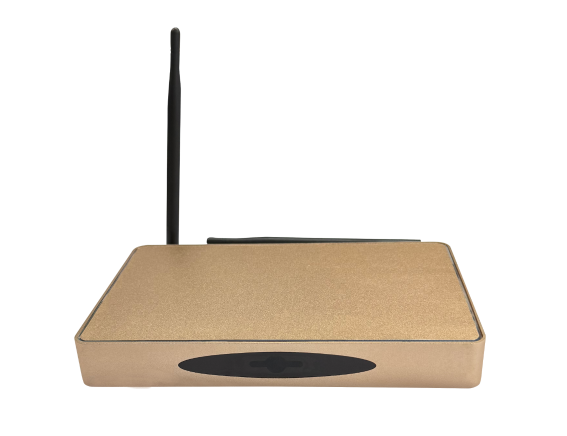
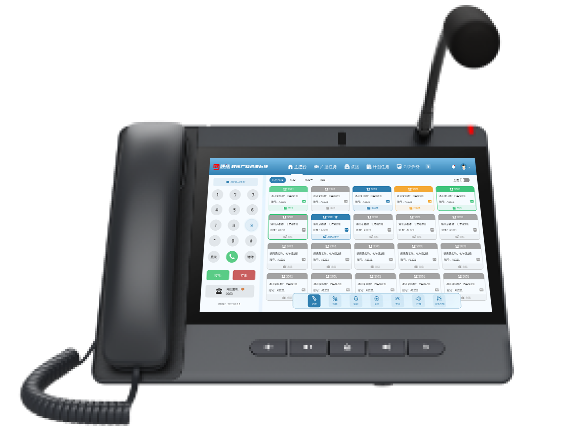
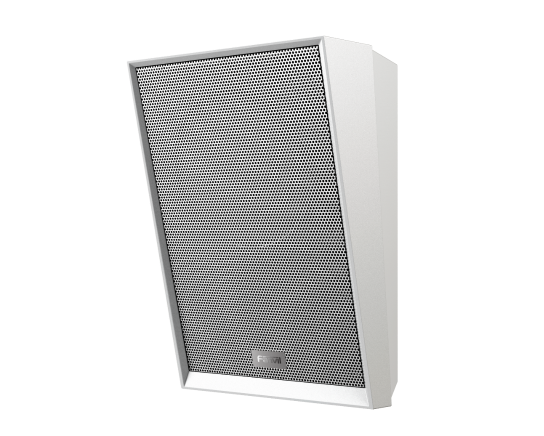
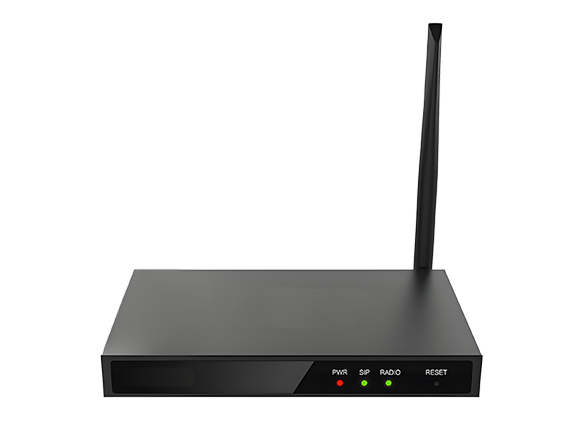
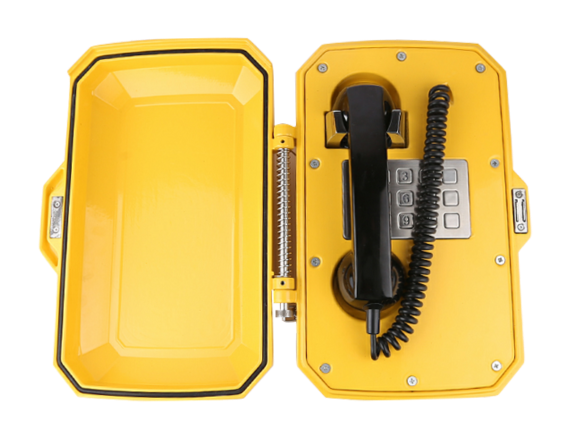
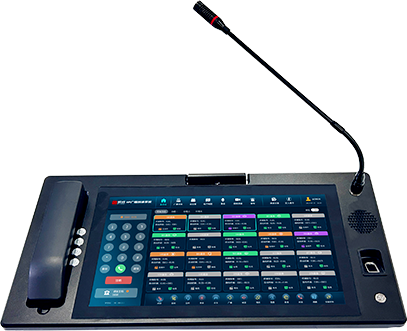
In terms of hardware, we offer solutions ranging from standard display devices to industrial-grade equipment, suitable for hospitals of all sizes. For county-level hospitals and some primary-care facilities looking to quickly upgrade their outpatient services, this solution can be implemented with ease.
V. The outpatient queuing system is a key starting point for smart hospitals
While the queue management system is just a basic component of smart hospital development, it can be integrated with the hospital’s information display system, ward IPTV system, and staff intercom system. By centralizing information dissemination and coordinating screen displays, the hospital’s overall level of digitalization can be taken to the next level.
From improving the waiting experience to streamlining the entire outpatient process, and even managing the hospital with data, this outpatient queuing system does far more than simply call patients by number.
HuiShi has consistently invested in the development of smart hospitals, integrating queue management systems with audio-visual technology to help hospitals streamline their processes and enhance their services.
An outpatient queuing system that offers transparent processes, is manageable from the back end, and delivers tangible efficiency gains is becoming a key pillar for hospitals seeking to enhance patient satisfaction and their own competitiveness.