As the development of educational informatization continues to advance in 2026, campus safety and management capabilities have become a top priority for schools. Particularly in first-tier cities like Shenzhen, traditional analog public address systems are no longer sufficient to meet the high demands of modern campuses for emergency response, customized instruction, and intelligent management. Today, we are introducing a brand-new SIP-based public address and intercom solution for campuses, designed to help you create a safe, orderly, and intelligent modern campus environment.
I. Strengthening Security Defenses: Millisecond-Level Response and Multi-Device Coordination
When it comes to campus safety, there are no minor issues. In the face of fires, heavy rain warnings, or sudden public safety incidents, every second of delay can result in irreparable damage.
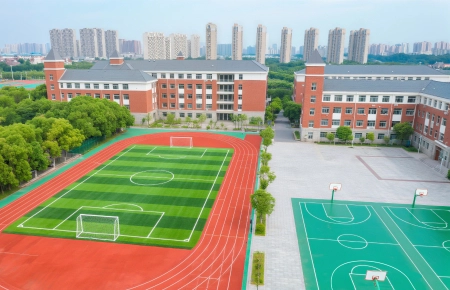
Instant Alerts, Comprehensive Coverage: Our SIP broadcast system is capable of triggering alerts within milliseconds. In the event of an emergency, alert messages are instantly transmitted to every corner of the campus—including academic buildings, playgrounds, and dormitories—ensuring clear, delay-free audio and buying precious time for faculty and students to evacuate to safety.
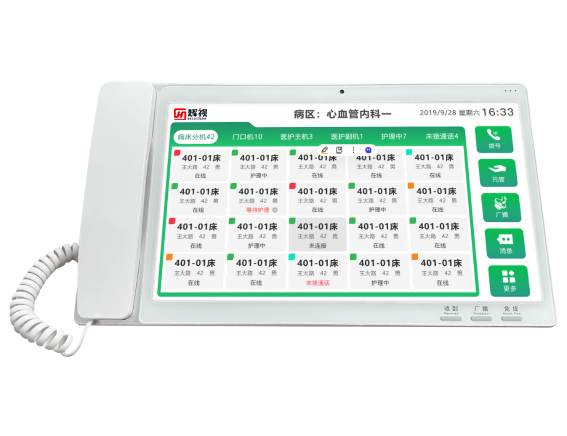
One-Click Coordination for Joint Response: Break down information silos and enable multi-device collaboration among the security office, school infirmary, and academic affairs office. In the event of an emergency, relevant personnel can immediately use their devices to communicate in real time, share on-site updates, and quickly formulate and execute response plans, thereby enhancing campus safety and security.
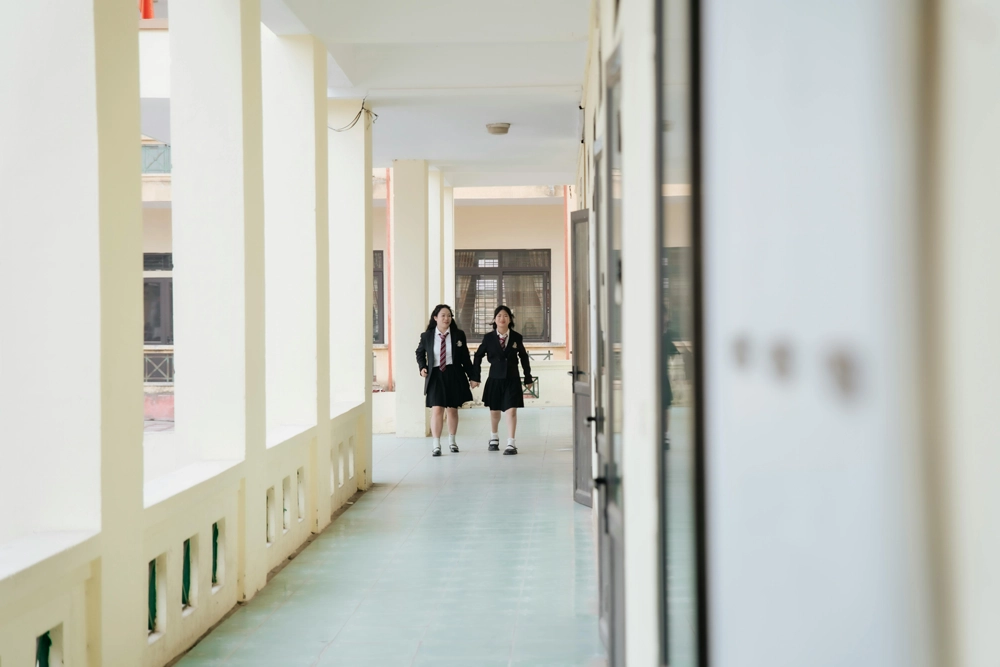
II. Empowering Smart Teaching: Targeted Content Delivery and Seamless Interaction
Teaching is the core mission of a school, and a good public address system should serve as a valuable tool to support that mission.
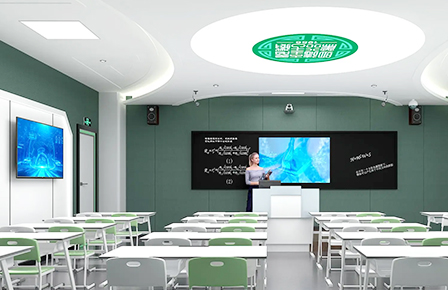
Scheduled Tasks Tailored to Your Needs: The system supports the automatic, scheduled playback of class start and end bells, as well as music for eye-protection exercises, ensuring precise timing. It also supports segmentation by grade level to deliver targeted educational content—such as English listening exercises and open-class audio—ensuring that instruction across different grades does not interfere with one another and fostering a quiet, focused learning environment.
Interactive and Convenient Classroom Experience: If teachers need to request additional teaching materials or technical support during class, they don’t have to interrupt the lesson. With a single click on their device, they can contact the relevant department to quickly resolve the issue, ensuring the continuity and smooth flow of the lesson.
III. Improving Management Efficiency: Zone-Based Control and Remote Operations and Maintenance
For school administrators, this solution not only enhances management capabilities but also significantly reduces operating costs.
Granular Zone Management: The system supports flexible zoning based on grade levels and functional areas (such as libraries and laboratories). Administrators can send notifications to specific zones, avoiding the information overload caused by school-wide broadcasts and enabling customized, controlled communication.
Effortless Remote Maintenance: Say goodbye to the traditional manual, on-site troubleshooting approach. Maintenance staff can remotely debug equipment and troubleshoot issues through the backend management system, significantly reducing labor requirements and lowering long-term campus management costs.
IV. Seamless Upgrades and System Interoperability
Many schools worry that upgrading their systems will require a major overhaul and the replacement of all hardware. Our solution addresses this concern.
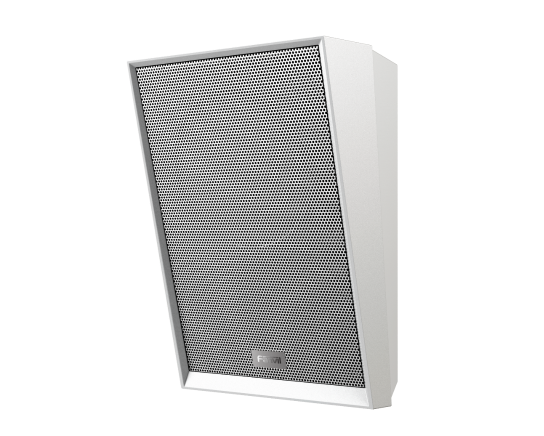
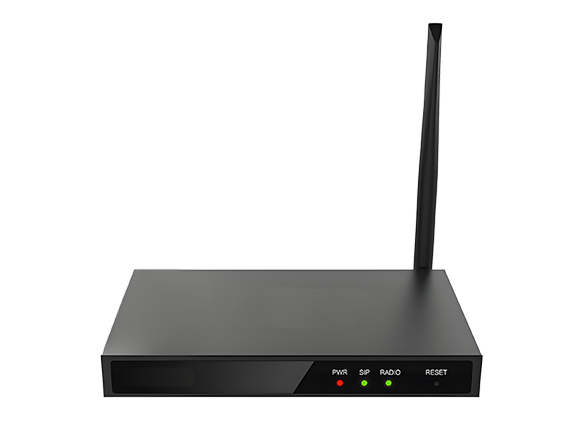
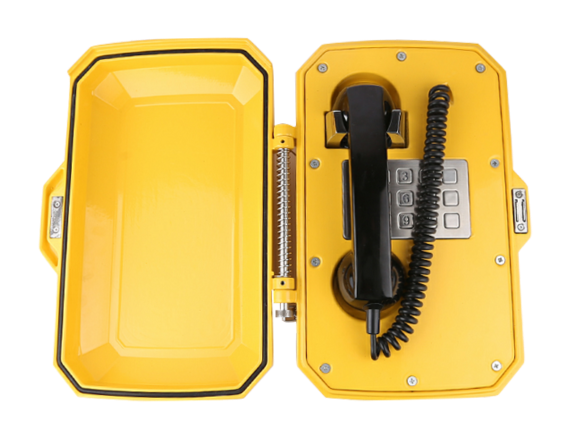
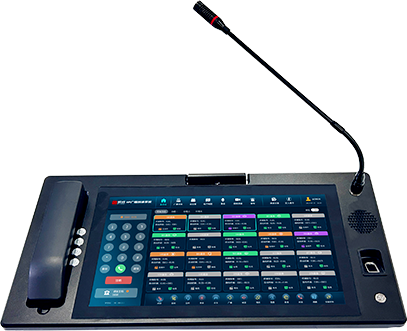
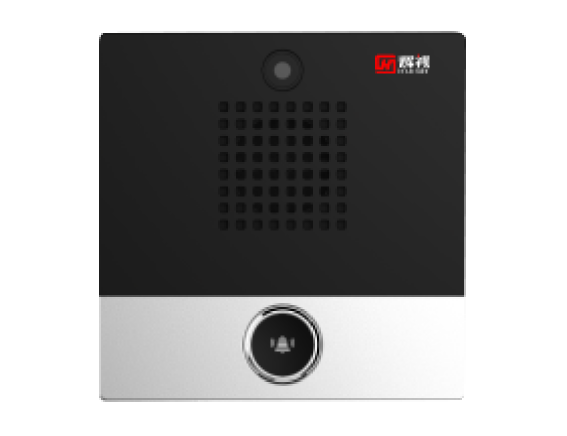
Seamless Integration of New and Existing Equipment: The solution offers strong compatibility and can interface with the school’s existing analog public address speakers and intercom terminals. This means schools can upgrade their systems at a lower cost without having to replace all their hardware, thereby protecting their existing investment.
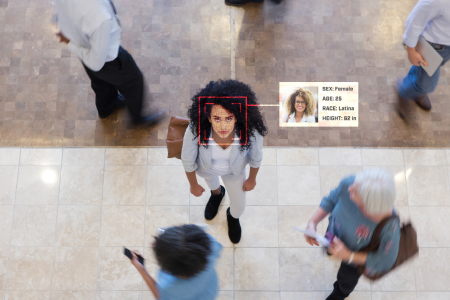
Interoperability Across Multiple Systems: The public address system is no longer an isolated entity. It can be integrated with the campus surveillance system and access control system. For example, if surveillance cameras detect students gathering and arguing, the system can automatically trigger a public address warning in the corresponding area; or when visitors arrive, it can automatically broadcast a notification, enabling intelligent security management.
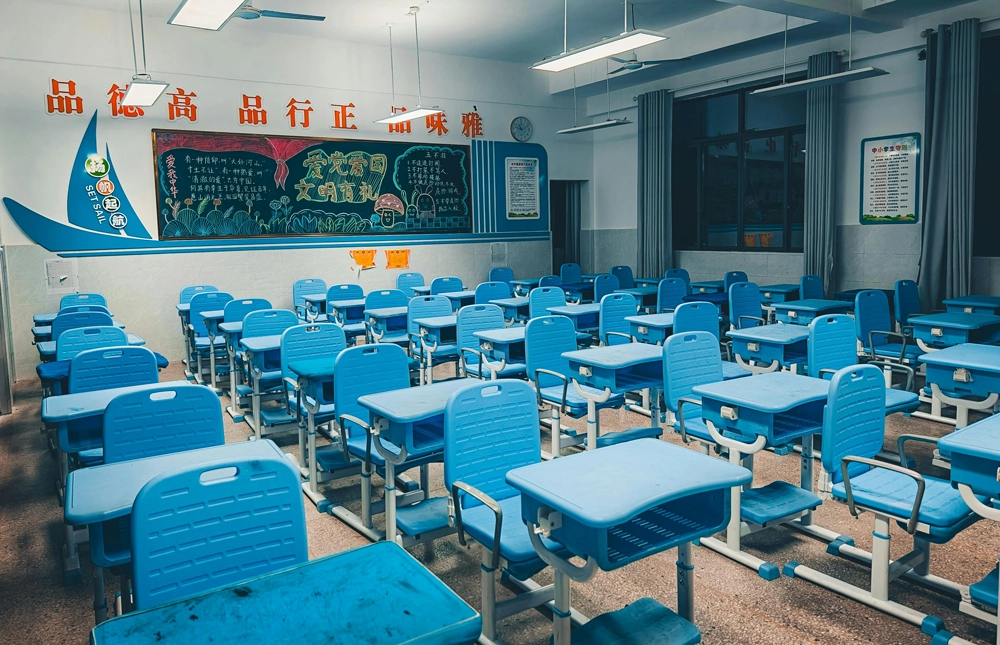
V. Standardized Operations, Safe and Controllable
Many schools worry that upgrading their systems will require a major overhaul and the replacement of all hardware. Our solution addresses this concern.
Role-Based Access Control: The system establishes strict operational permissions based on roles (such as principal, teacher, and security guard). For example, regular teachers can only use the broadcast function for their own grade level, preventing unauthorized personnel from accidentally sending emergency alerts and ensuring the security of information dissemination.
Full Traceability of Operation Logs: The system automatically records the details of every broadcast and intercom operation, including the operator, time, and content. All operations are fully traceable, facilitating post-event verification and ensuring that information dissemination on campus is conducted in a standardized and orderly manner.
By choosing this SIP campus broadcast and intercom solution, you are ensuring the safety of teachers and students, facilitating the smooth operation of teaching activities, and laying the foundation for intelligent school management. If you are looking for a campus broadcast system solution in the Shenzhen area, or would like to learn more about campus security upgrades for 2026, please contact us today to receive a customized quote and technical support!