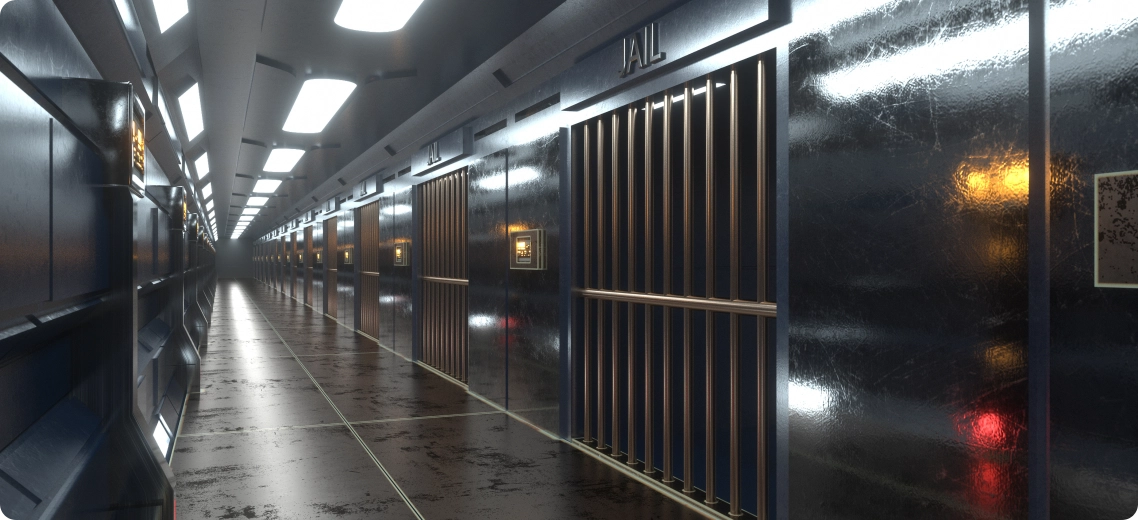
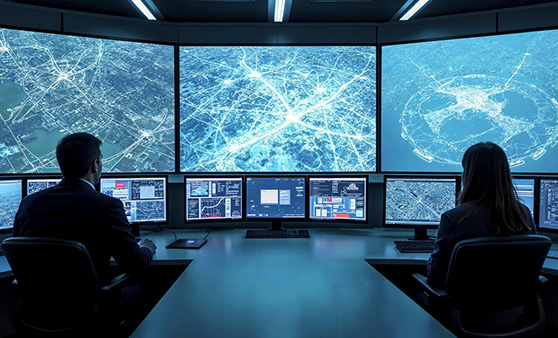
As the development of smart prisons continues to advance, traditional prison management models are gradually evolving toward digital, visual, and intelligent systems.
In the process of developing prison information systems, how to achieve unified management of services such as educational television programs, prison affairs transparency, notice dissemination, policy outreach, and on-demand educational content has become a key challenge in the digital transformation of prisons.
Prison IPTV systems are gradually becoming the core foundational platform for smart prison video infrastructure.
What is a prison IPTV system?
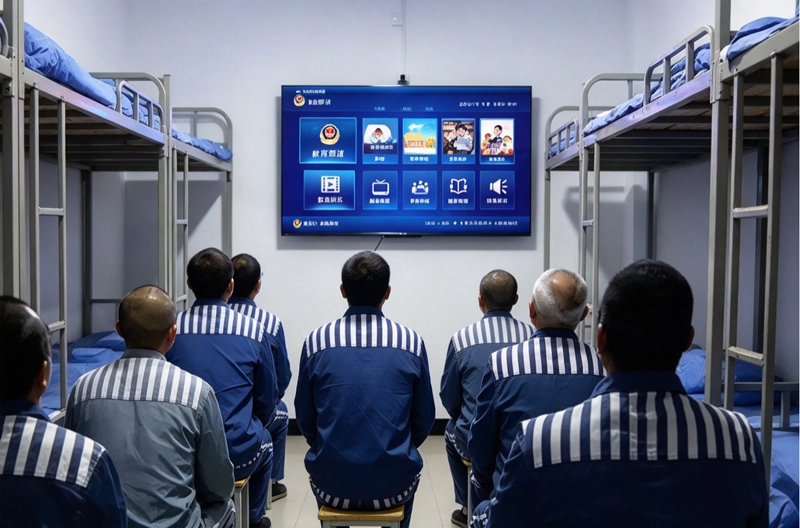
The prison IPTV system is a digital television and educational management platform built on the prison’s dedicated network. It is primarily used for television terminals in prison cells, educational terminals, and the dissemination of prison-related information.
The system operates over a local area network (LAN) to provide centralized management of functions such as live video streaming, on-demand educational content, electronic bulletin boards, policy announcements, and courseware learning, thereby meeting the prison’s requirements for “security and control, centralized scheduling, and targeted education and outreach.”
Compared to traditional cable TV systems, the smart prison IPTV system offers centralized content management; on-demand streaming by prison ward; centralized control across multiple devices; digitization of educational resources; and end-to-end security isolation, thereby further enhancing the efficiency of prison education and rehabilitation programs as well as supervisory coordination capabilities.
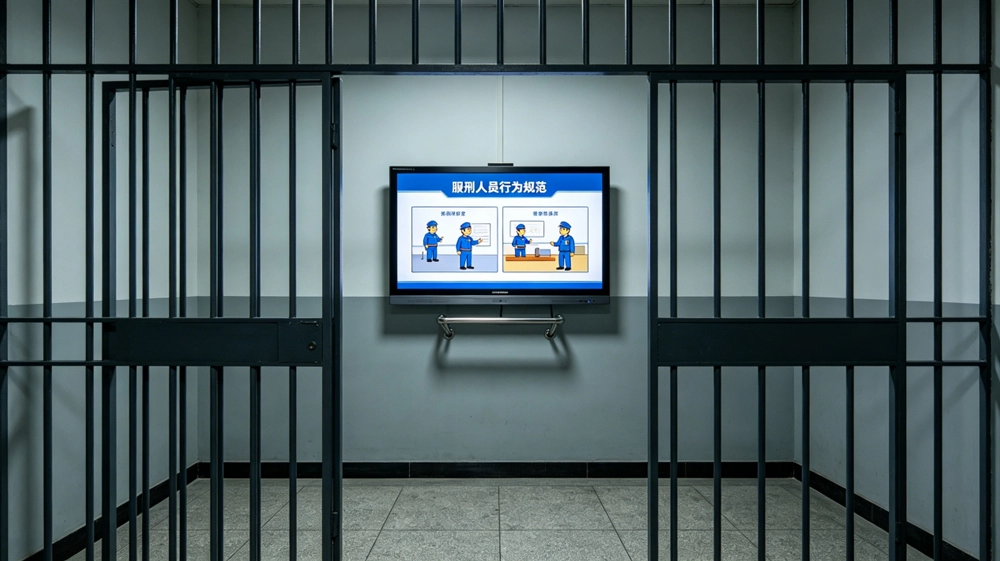
Prison IPTV System Architecture: Security and Stability Are Key
Since prisons are high-security environments, security is the top priority in the system’s design.
Mature prison IPTV solutions typically employ a three-tier network architecture consisting of a “core layer, aggregation layer, and access layer.” They operate independently on the prison's private network and are physically isolated from the internet, ensuring data security from the source.
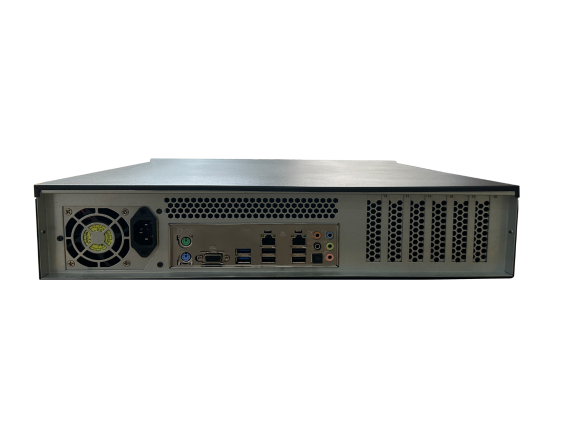
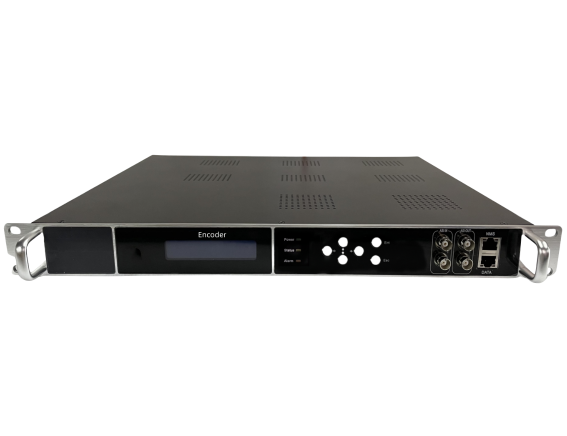
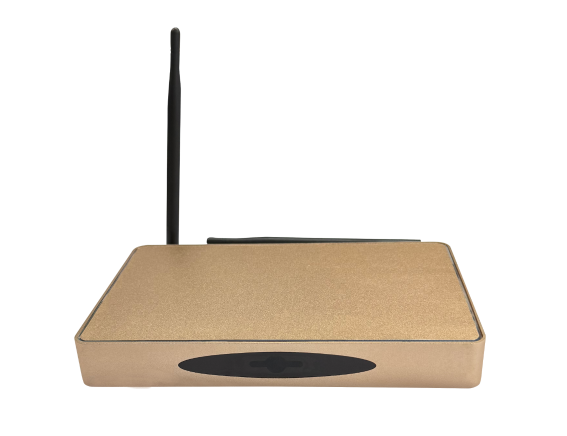
In addition, the system supports multi-level permission management: independent content distribution for different prison wings; tiered approval based on permission levels; targeted playback for specific areas; and centralized log management in the backend. The entire system operates through the coordinated work of encoders, streaming media servers, information publishing platforms, and terminal devices, forming a comprehensive smart prison video system.
The Five Core Features of the Smart Prison IPTV System
1. Educational Live Streaming and Virtual Carousel Channels
The system supports the creation of 24-hour looping channels featuring educational courses, legal education content, news, and other resources.
Managers can customize the content and schedule based on the needs of different detention areas to foster a continuous atmosphere of education and learning.
This is one of the more common application models currently used in the development of multimedia education systems for smart prisons.
2. Recorded Videos and On-Demand Education
The system supports automatic recording of live streams, which are then automatically added to the on-demand library.
Inmates may, in accordance with management arrangements, take courses on laws and regulations, vocational skills, and ideological education as needed, thereby combining “unified management” with “self-directed learning.”
This type of model addresses the issue of time constraints in traditional, centralized education.
3. Learning with E-books and Courseware
In addition to video-based education, the system also supports: legal and regulatory studies; e-book reading; ideological education courseware; vocational skills materials; and policy document studies, helping prisons gradually establish a digital educational resource platform.
4. Transparency in Prison Operations and the Issuance of Notices
Through the electronic bulletin board feature, administrators can post the following in real time: prison notices; management regulations; daily schedules; policy announcements; and news updates, ensuring that information within the prison is communicated in a timely, consistent, and traceable manner.
5. Unified Backend Management
The system supports centralized backend operations and maintenance management, including: program review; content scheduling; access control; device monitoring; and terminal status monitoring, thereby further reducing the burden of manual management.
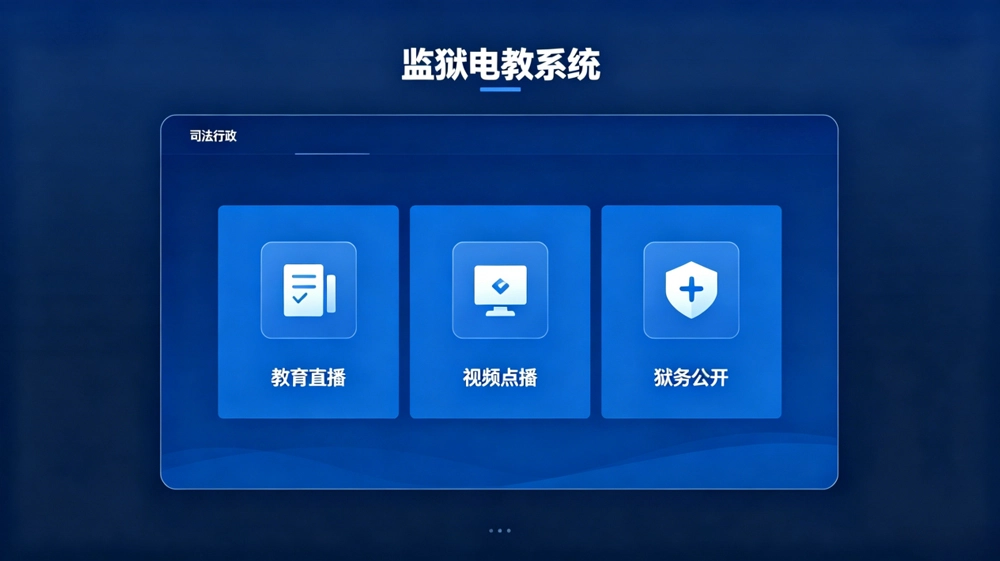
Three Major Application Scenarios for Smart Prison IPTV Systems
Legal Education and Ideological Re-education
The system can continuously broadcast interpretations of the Criminal Law and the Prison Law, analyses of typical cases, and policy promotional content.
Compared to traditional paper-based educational materials, video-based education is easier to understand and has a more lasting impact.
At the same time, the transparency of policies regarding sentence reductions and parole, as well as the point-based evaluation system, helps to boost inmates’ motivation to reform.
Vocational Skills Training
Vocational skills education is currently a key focus of prison rehabilitation programs.
The system supports online learning for skills courses such as electrical work, welding, housekeeping, and e-commerce, combined with in-person hands-on training, to enhance inmates’ employability and ability to reintegrate into society.
For the development of smart prisons, this represents not only an upgrade in education but also the development of skills for reintegration into society.
Psychological Counseling and Humanistic Care
Modern prison management emphasizes not only supervision but also psychological counseling.
The system can deliver targeted content such as emotional management courses, mental health education, family relationship counseling, and stress relief programs. By leveraging digital tools, it enhances the personal touch of education and helps inmates develop a more positive attitude toward rehabilitation.
Why are more and more prisons choosing IPTV educational systems?
Compared to traditional television systems, prison IPTV systems offer greater scalability and management capabilities.
These advantages are particularly evident in the context of smart prison development:
Enhanced security: Deployed on a private network and completely isolated from the internet, it meets the judicial system’s stringent security requirements.
Lower construction costs: Existing network lines can be reused, eliminating the need for extensive rewiring.
More flexible content management: Supports content distribution by ward, time, and access permissions.
Greater digitization of educational resources: Helping prisons establish long-term, sustainable digital education systems.
Huishi Smart Prison IPTV Solution
As a provider of audio-visual and video conferencing solutions, Huishi has long specialized in industry-specific applications such as smart prisons, smart hospitals, and smart hotels.
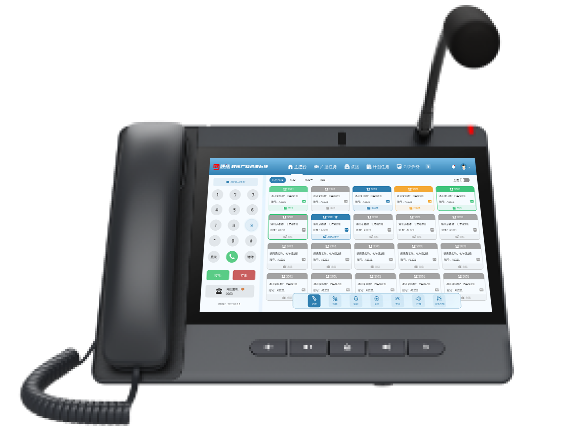
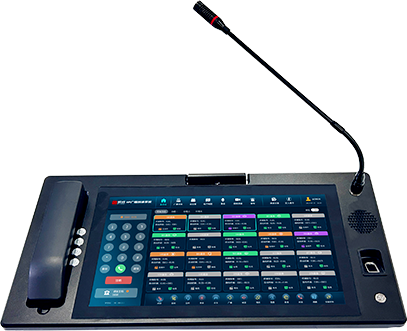
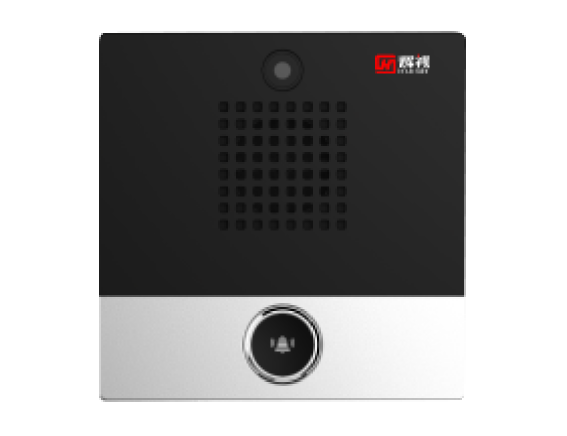
In response to the need for digital transformation in prisons, Huishi has developed a comprehensive smart prison video solution that includes: a prison IPTV system; a cell management and interaction system; a prison affairs information dissemination system; a visual dispatch system; and a smart audiovisual education system.
It is currently widely used in numerous judicial and correctional projects, continuously supporting the digital, visual, and intelligent transformation of prisons.
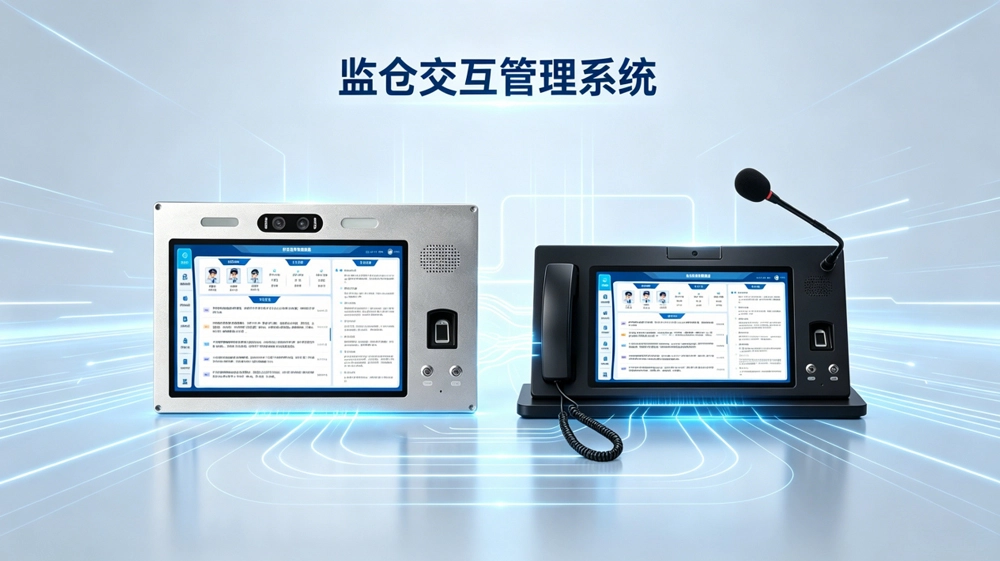
The development of smart prisons is not just about upgrading equipment; it is primarily about upgrading management models and educational approaches.
Through a collaborative model combining “digital education, information-based management, and visual communication,” the prison IPTV system is emerging as a critical foundational platform for the development of smart prisons.
In the future, as the integration of multimedia technology in prisons continues to advance, IPTV systems will play an increasingly important role in educational rehabilitation, security management, and smart supervision.