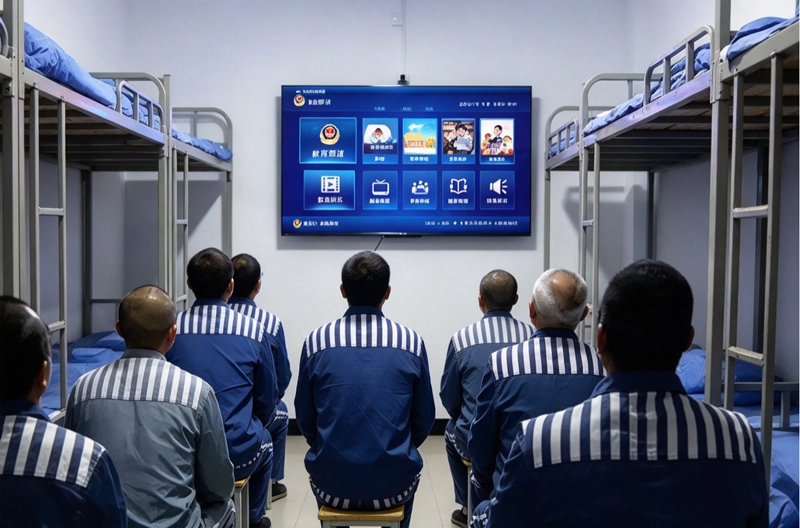
Many hospitals are currently working on smart hospital initiatives, but quite a few still rely on “verbal announcements, posted notices, and repeated notifications” to convey information. In the lobby, patients can’t find the right department; the nurses’ station repeatedly broadcasts announcements; patients waiting in line at the outpatient clinic don’t know how much longer they’ll have to wait; and promotional videos from several years ago play on a loop at the elevator entrances… Although there is an increasing amount of equipment, information isn’t truly “flowing.”
A hospital information dissemination system essentially transforms the hospital’s previously fragmented and inefficient methods of information transmission into a unified digital platform that is centrally managed, updated in real time, and tailored to meet specific needs. Whether it’s notifications, patient call-ups, health education, patient guidance, scheduling, or emergency announcements, all information can be displayed on screens in the relevant areas immediately.

Have you noticed that traditional hospital information systems generally have the following issues?
1. Patients' efficiency in accessing information needs to be improved
In many hospitals, patients entering the lobby still frequently have to ask: “Where do I register?” “On which floor is the examination room?” “Is the specialist seeing patients today?” “How much longer do I have to wait?” Especially in hospitals with high patient volume, the burden on patient guides increases significantly.
If the lobby screens could display floor plans, department maps, the patient care process, and staff schedules in real time, patients would be able to access this information more intuitively.
2. Information asymmetry often occurs in waiting areas
While waiting to be seen, patients often pay close attention to the progress of the line. If they cannot see when their number will be called, they are likely to repeatedly check with the nurses' station.
Once the information display system is integrated with the queue-management system, it can simultaneously show the current progress of patient visits, consultation room status, and waiting room information, making the waiting process clearer.
3. Internal notices are updated infrequently
Traditional notification methods typically rely on manual, tier-by-tier dissemination. When last-minute adjustments are made, this can easily lead to delays in updates and inconsistencies in information across different regions.
The information publishing system enables centralized publishing from the backend, allowing different content to be displayed in different regions and reducing repetitive tasks.
4. Limited utilization of existing display equipment
Many hospitals have already installed televisions, digital signage, or electronic displays, but some of these devices display the same content for extended periods, resulting in relatively limited practical applications. Through a unified management platform, content can be updated remotely, scheduled for playback, and managed by zone, making existing equipment easier to maintain and use.
What are the specific use cases for a hospital information dissemination system?
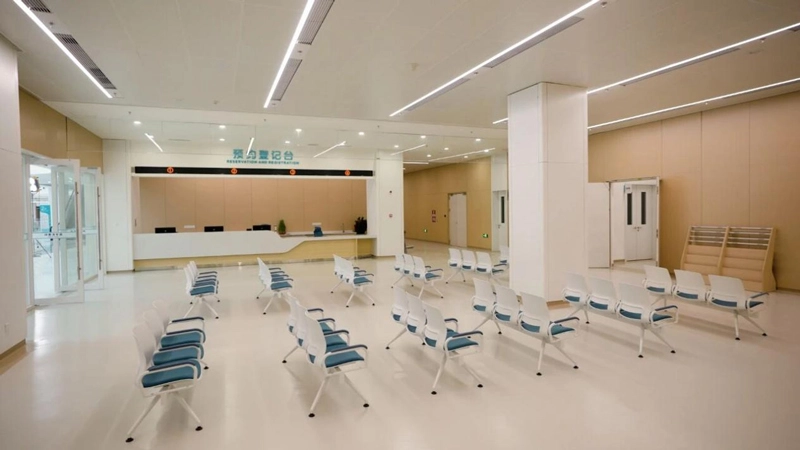
Hospital Lobby: Reducing the Number of Times Patients Have to Ask for Directions
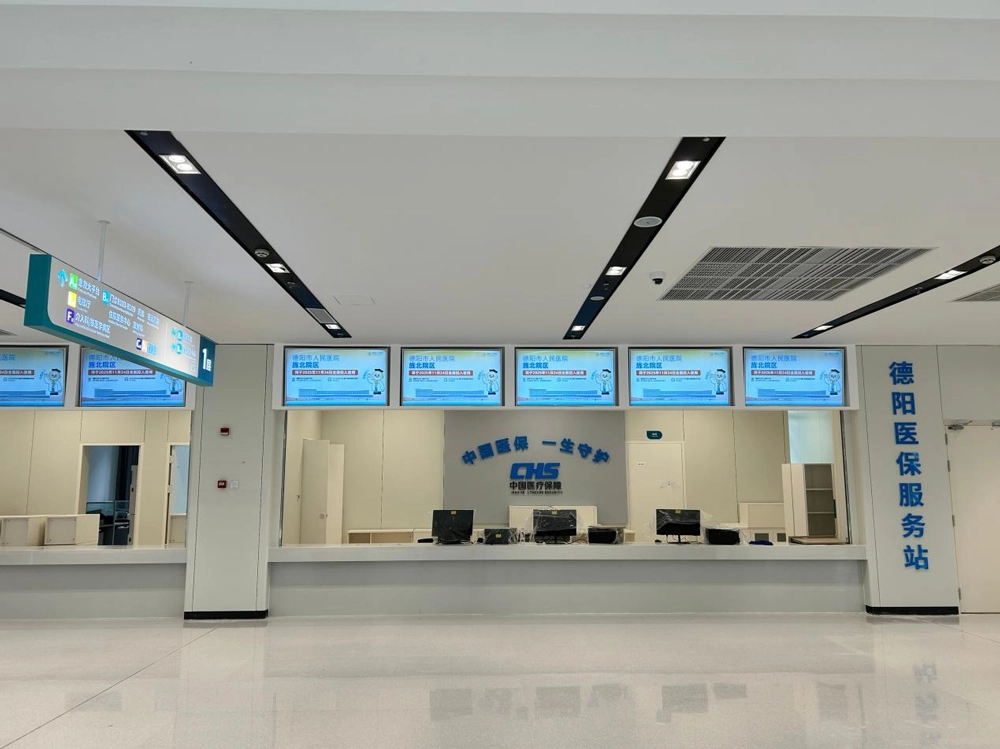
The lobby screens display real-time information such as department maps, registration procedures, and specialist schedules, helping patients quickly locate the appropriate areas and reducing the workload at the information desk.
Outpatient Waiting Area: Making Waiting More Orderly
The system can integrate with a queue management system to display real-time call-up progress, waiting information, and examination room status, while simultaneously playing health education content to alleviate patients’ anxiety while waiting.
Nurses' Station: Improving Communication Among Healthcare Professionals
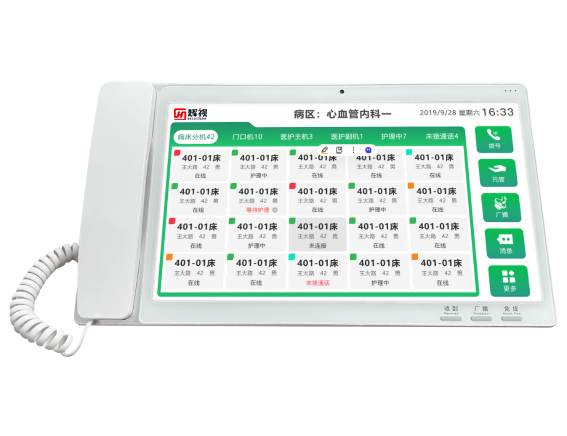
It displays bed availability, nursing notifications, and pending tasks in real time, allowing nurses to access information more intuitively and streamline shift handoffs.
Inpatient Department: Enhancing the Inpatient Experience
It can post information such as rounds schedules, visiting hours, hospitalization guidelines, and daily menus, allowing patients to access hospitalization information in a timely manner.
Hallways and Elevator Lobbies: Using Spare Moments for Health Education
Loop health education videos, introductions to key departments, and content on hospital culture to enhance the hospital’s brand image and expand the reach of its public education efforts.
Emergency Notice: Rapid Coordination in Critical Moments
In the event of a fire, clinic closures, or other emergencies, emergency notifications and evacuation instructions can be broadcast throughout the entire hospital with the push of a button, enhancing the hospital’s emergency response capabilities.
The advantages of Huishi’s hospital information display system have been successfully implemented in multiple large hospitals
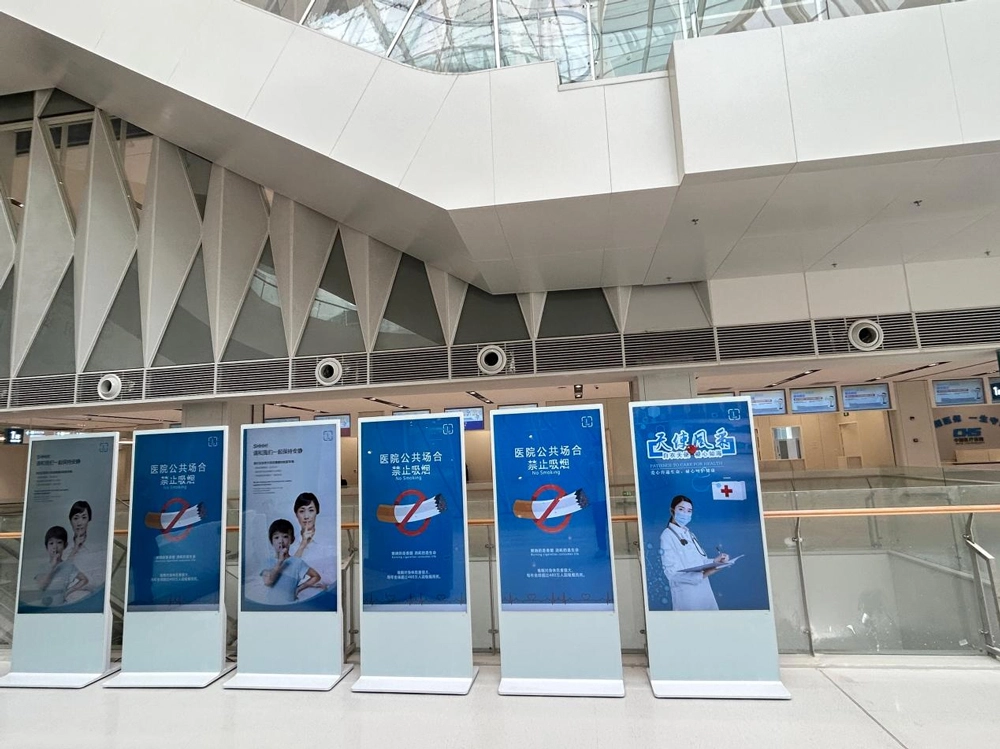
Thanks to its leading technological solutions, Huishi has successfully installed and deployed its systems in medical institutions across multiple regions, including Sichuan, Beijing, and Shenzhen, demonstrating the following notable features:
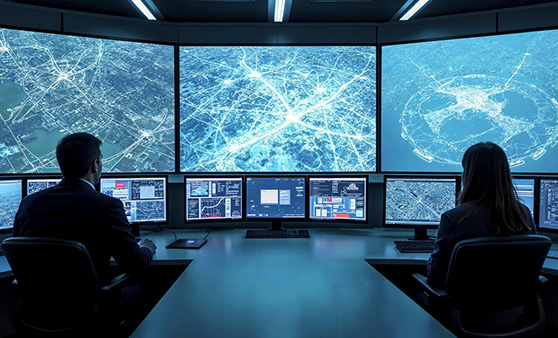
1. Centralized Backend Management: The Huishi Information Publishing System is designed using a B/S architecture, allowing for one-click login to the management backend. Terminals within the hospital can be managed centrally, reducing the operational burden associated with maintaining devices in separate locations.
2. Supports region-specific content publishing, allowing different content to be displayed in different areas. For example, the lobby displays patient guidance information, the waiting area displays call-number information, and the patient wards display hospitalization notices, facilitating the categorized display of information within the hospital.
3. Support for Integration with Hospital Business Systems: The system supports data integration with business platforms such as HIS and queue management systems, enabling the simultaneous display of certain information and reducing the need for manual data entry.
4. Supports a variety of content display formats, including videos, images, text, scrolling captions, web pages, and split-screen layouts, making it suitable for various scenarios within the hospital.
5. Designed for long-term operation in hospital settings, the system supports permission management, content moderation, scheduled publishing, and remote maintenance, facilitating centralized day-to-day management for hospitals.
Hospital information display systems—from patient guidance in the lobby to call-up for waiting rooms, from ward announcements to health education, and on to the coordination of emergency notifications within the hospital—are gradually being integrated into various aspects of daily hospital operations. These systems are transforming not only how information is presented but also the efficiency of communication between hospitals and patients. By comprehensively analyzing the needs of hospitals, Huishi is committed to creating a smarter, more seamless information exchange environment for medical institutions.