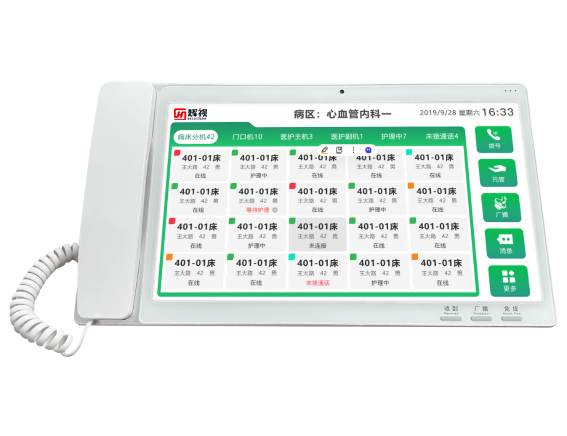
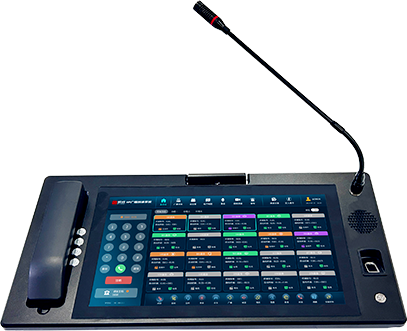
Faced with the growing demand for elderly care services and operational management challenges, the Huishi IPTV system, leveraging its deep system R&D capabilities and information integration expertise, is emerging as a key solution for care homes to achieve smart wellness upgrades, enhance service quality, and improve operational efficiency.
How does the IPTV system play a central role in care home management? These services represent the future development trajectory for care homes.
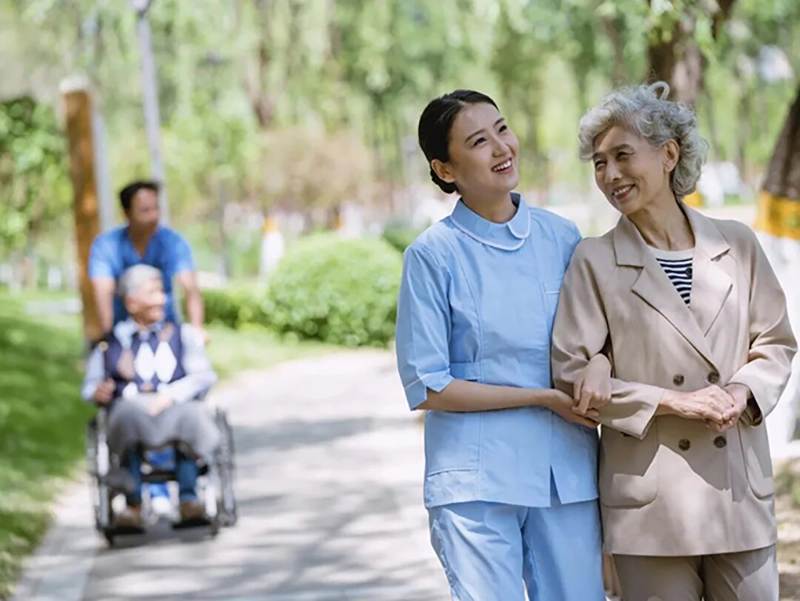
I. Multi-dimensional Content Services: Enriching the cultural and spiritual lives of the elderly while enhancing the appeal of institutional services.
The Huishi IPTV system effectively addresses the issue of limited cultural and recreational activities for the elderly by providing bespoke digital content, while simultaneously enhancing the competitive edge of care homes through differentiated services.
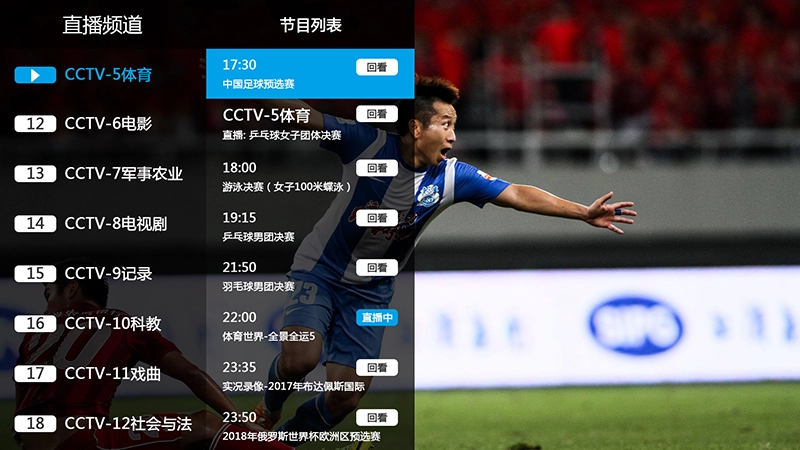
1. Age-friendly upgrades to traditional television functions • High-definition live streaming and on-demand services: Delivering stable, seamless television broadcasts alongside extensive on-demand content, catering to the diverse viewing preferences of the elderly while eliminating the constraints of traditional television scheduling. • Smart Replay Function: Supports 72-hour programme replay with precise resume playback, ensuring older viewers never miss any highlights and significantly enhancing user experience. • Simplified operation design: Featuring a large-font interface and AI voice remote control, this significantly lowers the operational threshold, enabling elderly users to effortlessly enjoy digital entertainment while reducing the assistance burden on carers.
2. Diversified content matrix • Film and Television Entertainment: Curated selections of classic films and nostalgic television series evoke fond memories for the elderly, effectively alleviating feelings of loneliness. • Music Appreciation: Offering traditional musical resources such as opera and folk songs to cultivate a warm and comfortable living environment. • Information Services: Tailored delivery of health and elderly care information, including wellness knowledge and policy interpretations, to enhance the quality of life and safety awareness among senior citizens. • Interactive Games: Designing simple, brain-stimulating games to promote cognitive function training among the elderly, delay cognitive decline, and provide institutions with non-pharmacological intervention support.
II. Closed-loop Health Management: Establishing a ‘Prevention-Monitoring-Intervention’ System to Safeguard the Health and Wellbeing of the Elderly
This system integrates the concept of medical care combined with elderly care into daily management, employing intelligent means to achieve comprehensive monitoring of residents' health and rapid response mechanisms. It constitutes a core component of smart health management within care homes.
1. Telemedicine support • Online consultation platform: Connecting with professional medical institutions to provide elderly individuals with convenient remote healthcare advisory services, reducing the inconvenience of travelling for medical appointments and enhancing healthcare accessibility. • AI-assisted diagnosis: Utilising intelligent analysis to conduct preliminary health assessments, providing reference points for professional diagnosis and aiding clinicians in rapid decision-making. • Lecture Library by Renowned Physicians: Regularly updated with authoritative health knowledge lectures to enhance health literacy among the elderly and their families, thereby reducing disease risks.
2. Chronic Disease Management Programme • Health Data Tracking: Integrating data from wearable devices to enable dynamic monitoring of key indicators such as blood pressure and blood glucose levels, thereby establishing comprehensive health records for the elderly. • Personalised reminders: Intelligent push notifications for medication, exercise and follow-up appointments based on health data, assisting older adults in self-managing chronic conditions and reducing the risk of complications. • Professional guidance videos: Providing care guidance videos for common chronic conditions to enhance the professional caregiving capabilities of elderly individuals and their carers.
3. Emergency Response Mechanism • Emergency call function: A single button press on the television connects directly to the nursing station, ensuring prompt response from care staff during emergencies. This serves as a vital safeguard for safety management within care homes.
•Anomaly Alert System: Identifies potential health risks through data analysis, enabling intelligent early warnings to assist institutions in proactive intervention and effectively reducing the incidence of adverse events.
III. Lifestyle Services Network: Establishing a Convenient Support System to Enhance Resident Satisfaction
The Huishi IPTV system, by integrating various lifestyle services, greatly facilitates the daily routines of elderly residents, thereby enhancing the service quality and satisfaction levels within care homes.
1. Intelligent Communication Platform • Video call service: Streamlined operation simplifies the process for elderly individuals to conduct remote video calls with family and friends, alleviating feelings of longing and fostering emotional connections within the household. • Social interaction spaces: Organising online cultural and recreational activities to promote social engagement among older adults and enrich their later years. • Family Interaction Zone: Providing relatives with a remote window into the daily lives of their elderly loved ones, thereby enhancing trust in and satisfaction with the care home.
2. Local Life Integration • Service Booking System: Integrating domestic services such as cleaning, repairs and hairdressing, streamlining the booking process and enhancing service efficiency. • Smart Meal Ordering Platform: Offering nutritious meal options, accommodating personal dietary requirements, and ensuring balanced nutrition for the elderly. • Activity Registration Portal: Facilitates participation in various cultural and recreational activities organised within the institution, enhancing engagement and a sense of belonging among the elderly.
IV. Personalised Interaction Design: User-Centred System Optimisation to Enhance Age-Friendly Experiences
The system is designed with the specific needs of the elderly in mind at the interaction level. Through age-friendly design, it ensures every senior citizen can use it without difficulty, embodying the humanistic care inherent in smart elderly care products.
1. Innovation in Interaction Methods • Voice control: Supports natural language interaction, significantly lowering the learning curve so that elderly users can operate it without needing to learn complex procedures. • Interface customisation: Enables personalised start-up screens and welcome messages, enhancing a sense of ownership and belonging for elderly users. • Multilingual support: Catering to the needs of elderly users with diverse linguistic backgrounds, thereby broadening the system's applicability.
2. Visual Optimisation Plan • High-contrast interface: Enhances visual clarity, accommodates the visual characteristics of older adults, and reduces eye strain. • Smart brightness adjustment: Automatically adapts display settings to ambient light levels, safeguarding the visual health of older adults. • Content tiered presentation: Displaying material in layers according to interest and cognitive level to ensure both the effectiveness and comfort of information acquisition.
V. Smart Operations Management: Enhancing institutional service efficiency to achieve cost reduction and efficiency gains in care homes.
The Huishi IPTV system not only serves the elderly but also acts as a capable assistant for the digital management of care homes. By leveraging data to optimise operational workflows, it enables meticulous management.
1. Precision content delivery • User Profiling System: Constructing personalised recommendation models based on behavioural data to achieve targeted content marketing and enhance older adults' engagement with content. • Tiered content management: Tailored content packages for elderly residents across different care levels, ensuring personalised and appropriate service provision. • Intelligent Scheduling Function: Automatically aligns content with daily schedules to enable smart information dissemination, thereby enhancing information delivery efficiency.
2. Data Integration Platform • Health Data Hub: Integrating multi-source health information to form comprehensive, real-time big data on elderly health, thereby providing a basis for decision-making. • Operational Analytics System: By identifying bottlenecks and areas of excellence within service processes through data insights, this system assists organisations in refining service strategies and enhancing operational efficiency within care homes. • Information Dissemination Platform: Centralised publication of internal notices and event information to enhance information reach and reduce manual communication costs.
3. Efficiency Enhancement Tools • Nursing Workstation: Integrates nursing documentation, task reminders, and work order management to streamline care processes and alleviate the workload of nursing staff. • Intelligent Scheduling System: Optimises human resource allocation, enhances scheduling efficiency and fairness, and reduces management costs. • Resource Management Platform: Enabling digitalised management of equipment and materials to enhance asset utilisation and minimise wastage.
VI. Practical Application Outcomes: Multi-dimensional Value Creation Supporting the Sustainable Development of Care Homes
Through the deep integration of technological and service innovation, the Huishi IPTV system is redefining elderly care service models, delivering significant commercial value and social benefits to institutions.
1. Enhancing the Quality of Life for Older People • Enriching spiritual and cultural life, effectively reducing feelings of loneliness, and enhancing the well-being of older people in their later years. • Enhance self-worth, improve life satisfaction, and promote active ageing. • Promoting social interaction, enhancing mental wellbeing, and fostering harmonious retirement communities.
2. Optimisation of Institutional Management Efficiency • Reduce manual operations, significantly lower operational costs, and enhance the organisation's profitability. • Enhance service response times, improve service quality, and strengthen the organisation's market competitiveness. • Implementing refined management practices to enhance operational standards, thereby laying the groundwork for institutional brand development.
3. Health promotion has yielded significant results. • Enhance health awareness, improve lifestyle habits, and reduce the incidence of disease. • Promptly identify health risks, minimise unexpected incidents, and safeguard the lives and safety of the elderly. • Enhance the effectiveness of chronic disease management, improve health outcomes, and extend healthy life expectancy.

Let technology return to its service essence, building a sustainable wellness ecosystem.
The application of Huishi IPTV systems in elderly care settings fundamentally represents a profound restructuring of traditional care service models through information technology. It not only resolves the ‘last mile’ challenge in information delivery but also provides institutions with tools for precision management through data-driven approaches.
However, the ultimate goal of smart elderly care is not to replace human staff with technology, but to liberate carers from tedious, repetitive administrative tasks through digital means, enabling them to focus on more compassionate human-centred care. For care homes, introducing such systems should not be viewed merely as a hardware investment, but as a crucial component of their digital transformation strategy.
Against the backdrop of an increasingly ageing population, only through the deep integration of technological efficiency and humanistic services can care institutions enhance service quality while achieving sustainable operational models.