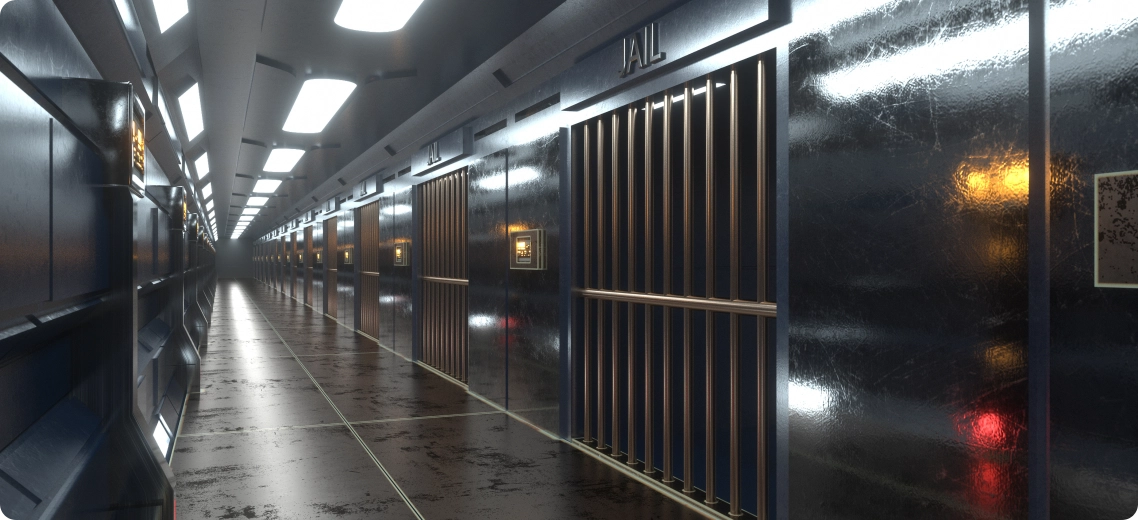
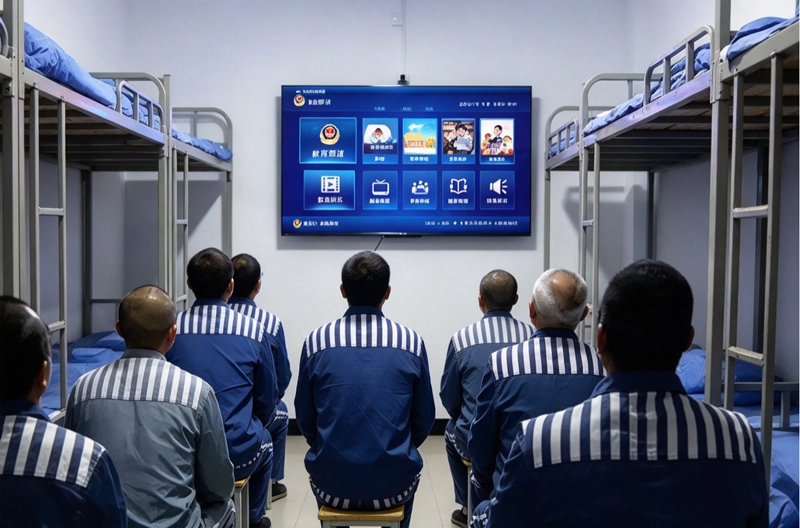
In the management of prisons and detention centers, audiovisual education and public address/intercom systems are two core daily operations. However, under traditional deployment models, these two systems are often implemented independently by different vendors: one set of equipment for audiovisual education, another for public address and bell systems, and yet another for cell intercoms. For staff, this means constantly switching between multiple isolated platforms, which not only increases the difficulty of their work but also risks delays in response during emergencies.
So, is there a solution that truly integrates daily education, two-way video communication, zone-based broadcasting, and coordinated responses? That is exactly what we’re going to explore in detail—the next-generation integrated audio-visual and intercom system.
Integrated Solution: Breaking Down the Barriers Between “Education” and “Management”
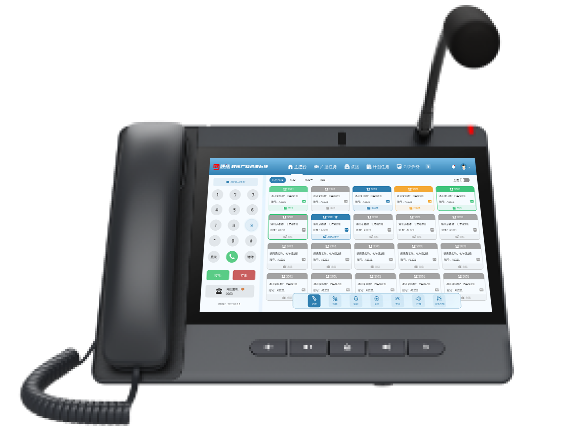
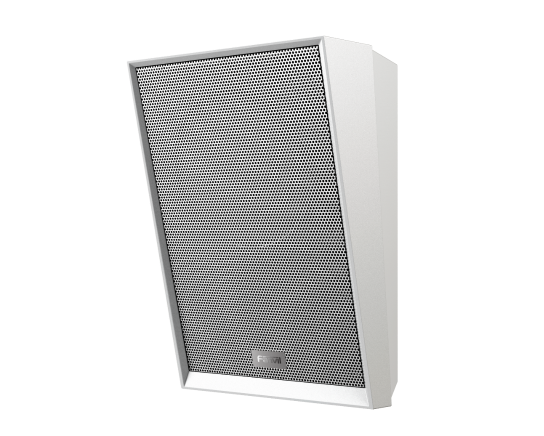
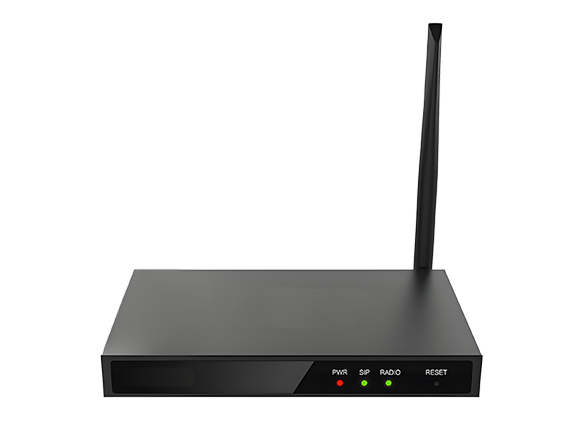
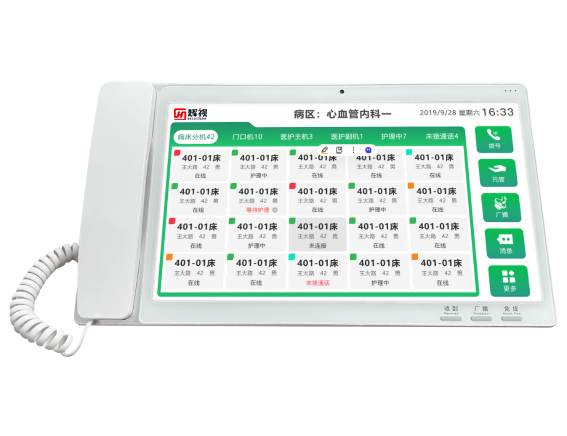
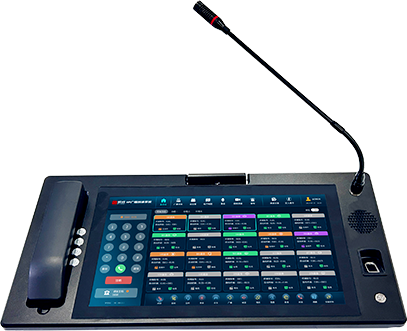
The integrated solution for educational broadcasting and intercom systems launched by Huishi is designed to address these challenges. Based on IP network technology, the solution seamlessly integrates three subsystems using just a single management platform and a single network cable: the educational management subsystem; the SIP two-way video intercom subsystem; and the broadcasting and emergency response subsystem.
All operations are performed through a unified software interface, with data, audio, and video seamlessly integrated and shared, thereby achieving “one network, one platform, and one set of terminals.” This not only reduces construction costs but also brings about a qualitative leap in management efficiency.
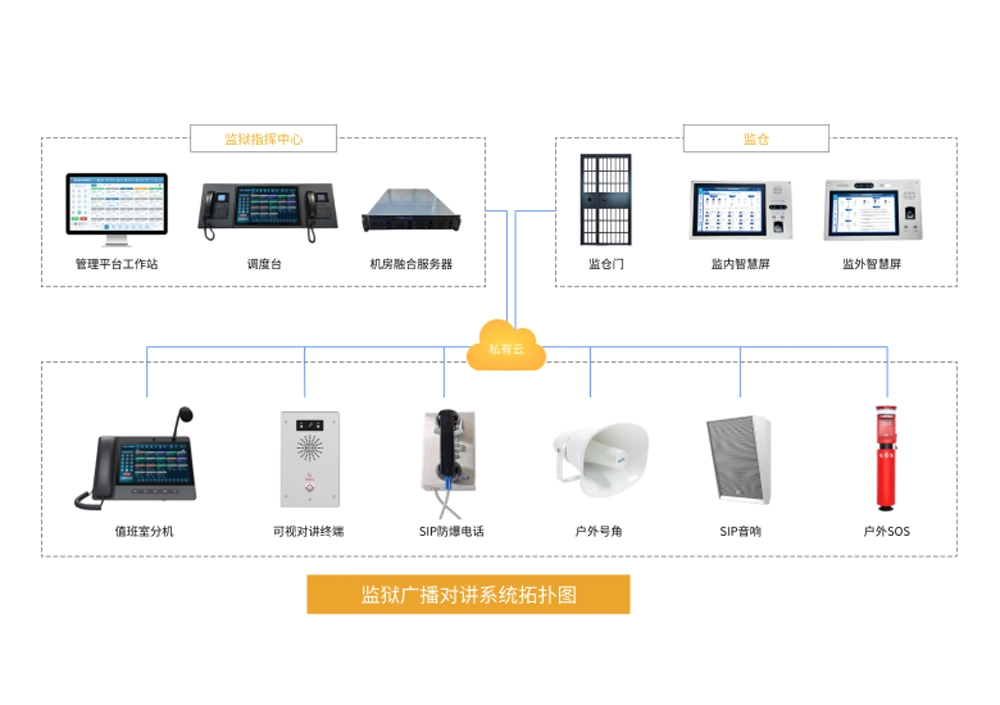
Core features of the solution, tailored to management scenarios
1. Make everyday education smarter and more personalized
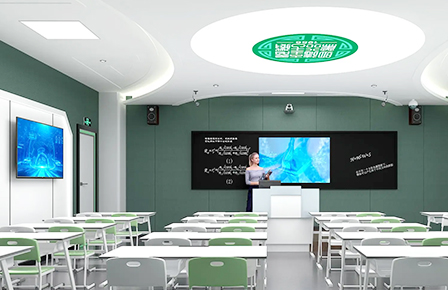
Live and on-demand streaming: The system supports live streaming of lectures, training sessions, and other content to all users or specific regions. More importantly, the system features a comprehensive library of course materials, enabling the delivery of personalized learning tasks to different audiences, such as regulatory awareness programs and mental health counseling courses.
Automatic Learning Tracking: Once the content is set up, the device will play it automatically and record the duration and progress for each section. Reports are generated in the background, providing objective data for evaluating the effectiveness of the program.
Quick Delivery of Notifications: Management announcements, event notifications, urgent messages, and more can be pushed to indoor smart screens with a single click, where they automatically pop up to ensure nothing is missed.
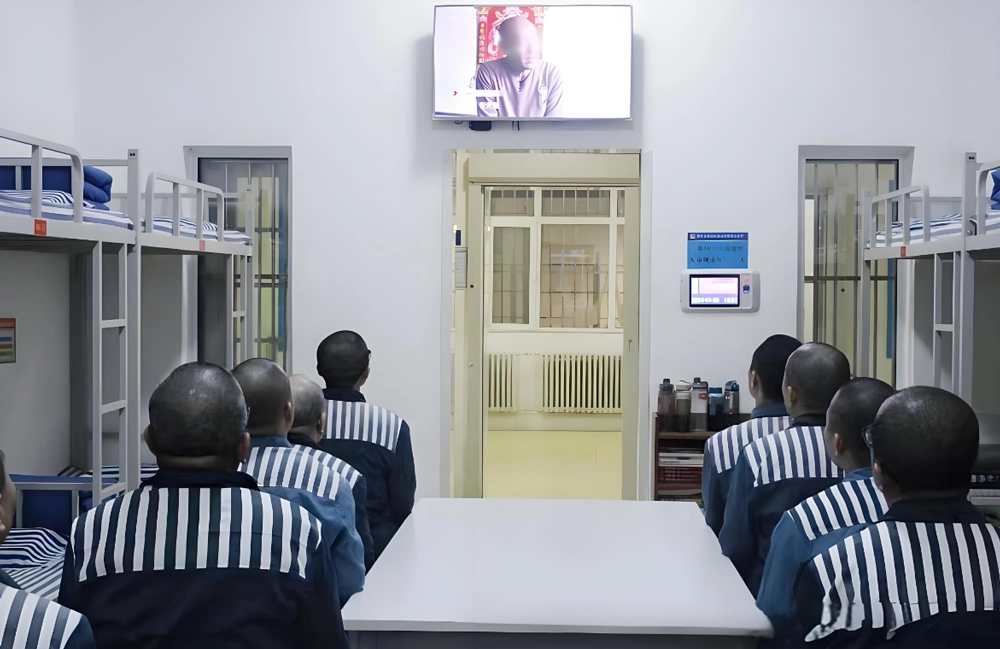
2. Two-way video calls make communication and emergency response smoother
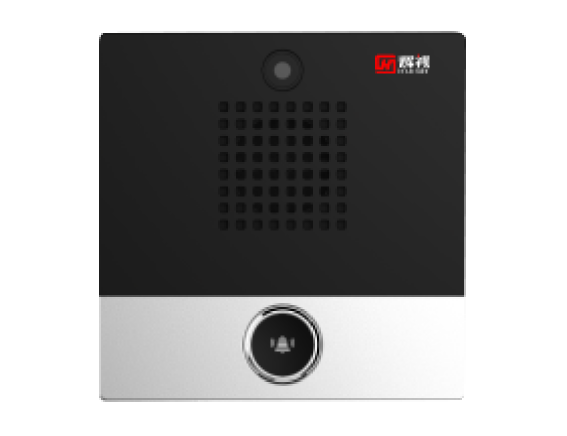
Area-Based Visual Communication via the Management Console: Pressing the call button on the terminal immediately brings up a live video feed of the scene on the management console, allowing administrators to instantly see who is calling and what the situation is. Administrators can then immediately engage in two-way visual communication.
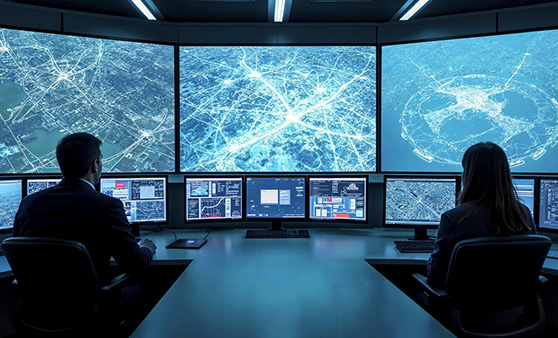
Intelligent Interconnection Mechanism: When a terminal triggers an emergency signal, the system simultaneously pushes live footage to the control room display and, in accordance with preset rules, notifies the public address system or associated devices to activate the emergency response plan.
Silent Patrols and Full Recording: Authorized personnel can conduct unobtrusive patrols of specific areas; all calls are automatically recorded and can be retrieved and played back by time or terminal number.
3. Zone/wide-area broadcasting, flexible scheduling and command
Daily Management Announcements: Supports sending notifications, making announcements to locate people, and scheduling reminders (replacing traditional doorbells) to individual or multiple zones, as well as playing background music.
Integrated Broadcast Scenarios: You can pre-record and configure broadcast scenarios tailored to different situations. Once activated with a single click, the system automatically plays guidance or announcements in designated zones according to preset logic, and can coordinate with access control, lighting, and other systems.
Priority Interruption Mechanism: High-priority broadcasts can interrupt all current audio playback to ensure that critical instructions are delivered immediately.
4. Security hardening to meet stringent management requirements
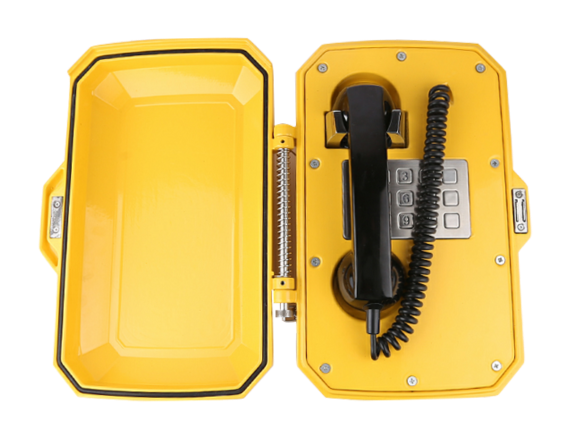
The terminal is rugged and durable: The indoor terminal features a metal housing and is designed for flush mounting, with no exposed removable parts. If subjected to physical damage, it will immediately trigger an alarm on the platform.
Closed-loop content security: All educational materials are reviewed and encrypted before distribution; end devices can only receive and play the content, and cannot copy it or save it to external storage, thereby preventing data leaks at the source.
Permissions and Logging System: Administrative permissions are strictly segregated, and detailed logs are generated for operations at every level. The system supports auditing by user and by operation type, ensuring full traceability throughout the process.
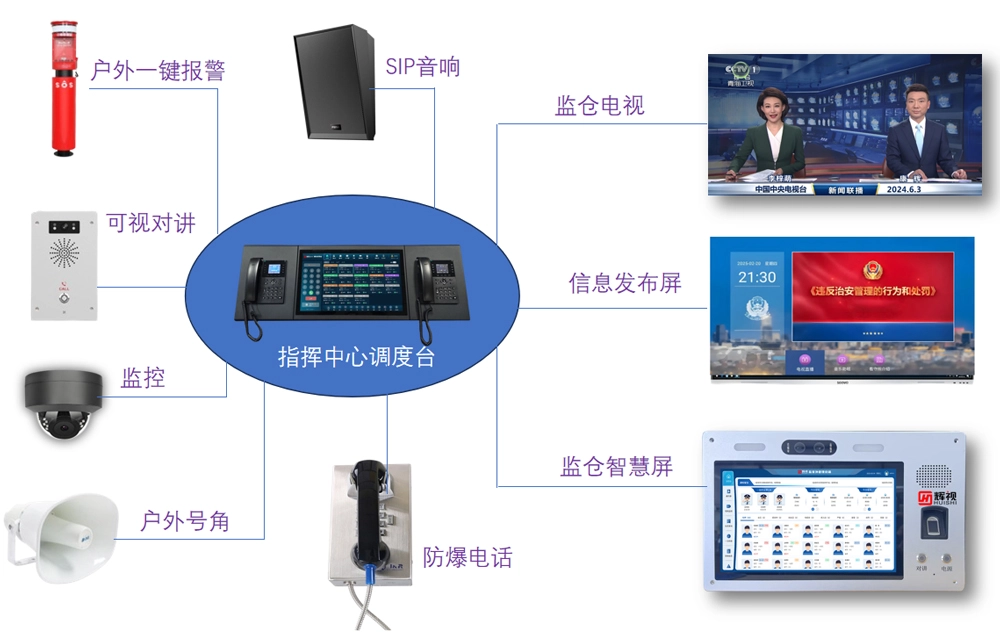
Implement “minimal changes” without disrupting the existing management system
Many organizations are concerned that an upgrade might disrupt normal operations. Our solution fully incorporates the principles of “reusing existing infrastructure” and “seamless upgrades.” It can be deployed using the existing internal network, making installation straightforward; we can even integrate with some of the original cabling to protect your existing investment. From initial site surveys and customized solutions to installation, commissioning, and staff training, we provide end-to-end standardized services to ensure rapid delivery without disrupting daily operations.
We have served organizations in many regions—let our case studies speak for themselves
A detention facility in a certain region of Xinjiang: With over 300 indoor terminals deployed, daily educational programs and video calls are now centrally managed, significantly reducing the workload on staff.
At a certain integrated management facility: The IP-based upgrade of the public address and intercom system across all areas has been completed, reducing the response time from minutes to seconds.
Frequently Asked Questions (FAQ)
Q:Our internal network has limited bandwidth. Will the system run smoothly?
A: The system has very low network bandwidth requirements. Based on actual testing, it runs smoothly even on standard broadband connections. We can provide a network assessment prior to deployment.
Q:How can we ensure that the system integrates seamlessly with the existing monitoring platform?
A:The system supports integration via standard protocols or interfaces from major brands, enabling automatic retrieval of surrounding video feeds during联动 without the need for a complete overhaul.
Q:What should I do if I'm worried that my terminal device might be intentionally damaged?
A:The device has no external ports for user access, features a highly ruggedized design, and includes a tamper-detection function. Any attempt to tamper with the device is immediately reported to the platform and triggers a tamper alarm.
In the context of the growing trend toward smart management, a stable, reliable, highly integrated, secure, and controllable audio-visual broadcasting and intercom system serves not only as a means to enhance educational quality but also as the cornerstone for improving overall management standards.
If your organization is evaluating upgrade and renovation options, or would like to learn more about technical details and implementation case studies, please contact Huishi for a one-on-one solution demonstration and a copy of the “Project System Implementation Checklist.”