In this era of rapid technological advancement, the television industry is undergoing unprecedented transformation. As a key driver of this revolution, television systems are reshaping the entire audiovisual landscape with their distinctive appeal. Simply put, television systems refer to Internet Protocol Television (IPTV), which ingeniously leverages broadband cable networks to deeply integrate multimedia, internet, and communications technologies. This convergence delivers a diverse array of interactive services to users, encompassing digital television and much more.

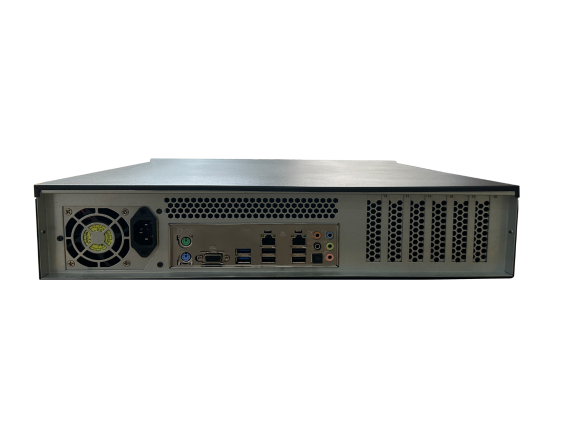
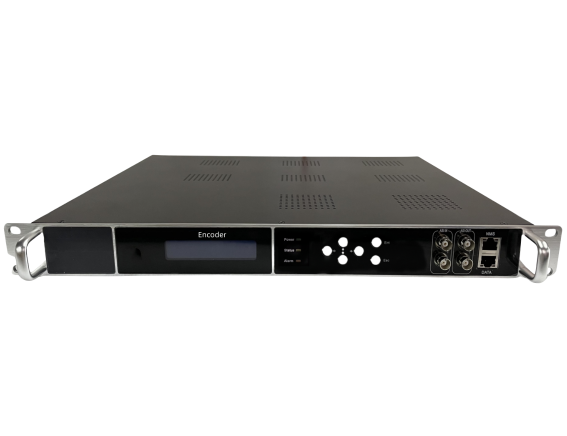
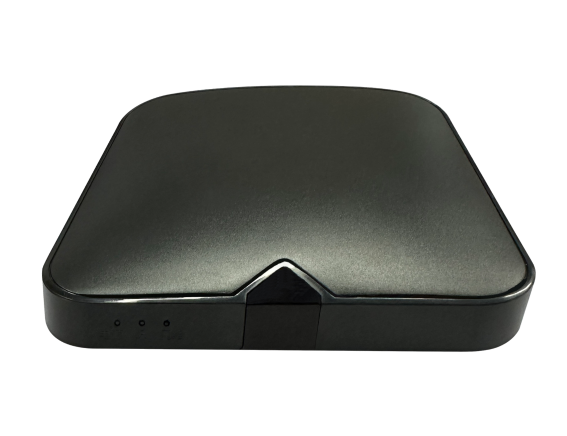
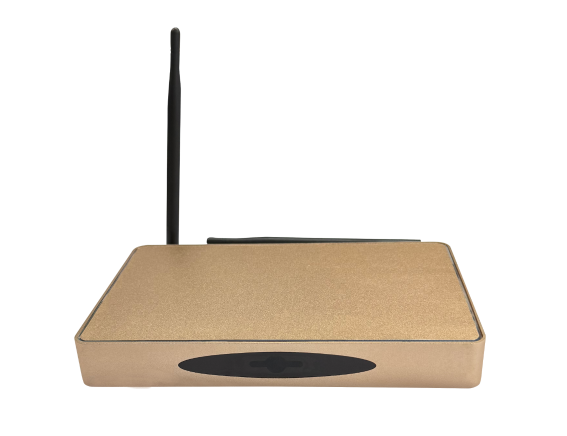
The composition of a television system resembles a complex yet orderly ecosystem, with each component interdependent and working in concert. Network transmission serves as the system's lifeline, responsible for efficiently and reliably delivering video content from servers to user devices. Throughout this process, network transmission functions like a meticulous courier, ensuring content arrives punctually and accurately at the user's end, regardless of its size or complexity. The front-end functions as a processing plant for video content, undertaking encoding, format conversion, and other essential treatments. Given the diverse characteristics and requirements of different video sources, the front-end employs specialised techniques and equipment to uniformly convert them into formats suitable for transmission and playback within the television system, thereby laying a solid foundation for subsequent processes. Terminal devices serve as the direct interface between users and the television system. Televisions, set-top boxes, computers, tablets, and other devices cater to diverse user needs across various scenarios. Whether for home entertainment, office leisure, or travel, users can effortlessly access the television system via suitable terminal devices to enjoy a wealth of video content.
Service functionality constitutes the core competitive edge of television systems. Live and on-demand features liberate users from the constraints of traditional television schedules, delivering viewing freedom. Viewers may tune into live broadcasts at their convenience, immersing themselves in the vibrant atmosphere of the moment, or access favourite programmes on demand without time or viewing restrictions, indulging in the pleasure of binge-watching. Time-shifted viewing and interactive capabilities further elevate the viewing experience. Time-shifted catch-up functions act like a time machine, allowing users to pause, play, fast-forward, or rewind programmes at will, ensuring they never miss a single moment of excitement. Interactive features provide a platform for communication and sharing. Through the electronic programme guide, users can swiftly access programme information and plan their viewing schedules. Video call functionality enables users to watch programmes alongside distant friends and family while exchanging thoughts, enhancing both enjoyment and engagement. Online gaming features deliver a fresh entertainment dimension, allowing users to savour gaming pleasures alongside television viewing.
From a technical standpoint, television systems enable the digital transmission and playback of video content. They convert video material into digital signals for transmission via the internet. This digital transmission method offers numerous advantages, such as high transmission speeds, strong resistance to interference, and stable signal quality. During transmission, advanced encoding and compression techniques effectively reduce data volume and enhance transmission efficiency while preserving video quality. Upon reaching the user's device, the digital signal undergoes decoding to restore clear, vivid video imagery, delivering a high-quality audiovisual experience.
The multi-functional convergence of television systems not only delivers an entirely new audiovisual experience for users but also injects fresh vitality into the television industry's development. It transcends the limitations of traditional television, propelling the sector's digital transformation and intelligent upgrade. With continuous technological advancement and expanding application scenarios, television systems will assume an increasingly vital role in the future, becoming an indispensable part of people's daily lives.