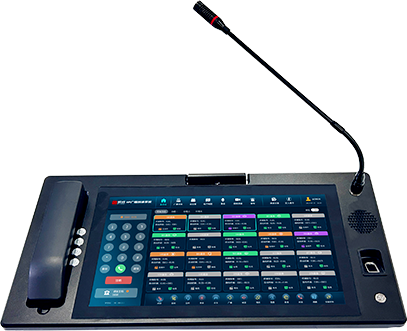
The AI-powered campus anti-bullying system is a comprehensive solution that delivers robust functionality across all aspects of campus safety management. It incorporates device and incident management capabilities, enabling real-time monitoring and statistical analysis of various safety equipment throughout the campus to ensure operational integrity. The system accurately records the frequency of security incidents occurring on campus while overseeing the efficiency of incident response protocols. The system further supports real-time incident reception and multi-channel alerts. The school-level security command centre maintains 24-hour real-time incident reception capabilities. Upon detecting abnormal behaviour, it immediately dispatches alert notifications to relevant personnel via multiple channels, including SMS, telephone, mobile application push notifications, and WeChat official account alerts.

The system supports the configuration of extensive keyword alerts covering various linguistic expressions potentially indicative of bullying, such as derogatory terms and threatening statements. By conducting real-time monitoring and analysis of students' verbal interactions, the system immediately triggers an alert mechanism upon detecting content matching the configured keywords. Concurrently, the system integrates image recognition technology to precisely identify human postures and movements within surveillance footage, determining whether physical altercations or other bullying behaviours are occurring. This combination of keyword alerts and precise recognition technology significantly enhances the system's accuracy in identifying bullying incidents and its response speed.
The system supports detailed tagging of alert events to distinguish valid from invalid alerts, thereby preventing unnecessary disruption and resource wastage. For valid incidents, the system categorises and analyses data based on event type (such as verbal abuse, physical violence, property bullying, cyberbullying, etc.) and location. Concurrently, it records the entire incident resolution process—including personnel involved, response times, and outcomes—enabling comprehensive tracking and traceability. This mechanism not only assists school administrators in promptly monitoring incident handling but also provides a foundation for subsequent review and improvement.
AI technology plays a central role within the system, primarily manifesting in three areas: intelligent recognition, sentiment analysis, and behavioural prediction. Leveraging advanced deep learning algorithms, the system can train highly accurate models to identify visual indicators of bullying behaviour, such as the intensity of physical altercations and abnormal changes in facial expressions. Natural language processing models delve into the content of verbal exchanges between pupils, discerning emotional undertones and threatening language to provide early warnings of potential conflicts. Big data analytics uncover patterns and trends in bullying incidents, furnishing scientific grounds for predictive forecasting and the formulation of preventative measures.
The design philosophy of the school anti-bullying system stems from a profound concern for campus safety and student development. Upholding the principle that ‘prevention is preferable to intervention, and education is preferable to punishment,’ it is dedicated to fostering a secure, harmonious, and caring learning environment. Its objectives are multifaceted and far-reaching, encompassing comprehensive protection for every child, respect for student privacy, encouraging multi-stakeholder participation to form a cohesive safety network, and continuous optimisation to adapt to evolving circumstances. Through the realisation of these objectives, the system aims to provide pupils with a more secure and reliable school environment, thereby promoting their healthy growth and holistic development.