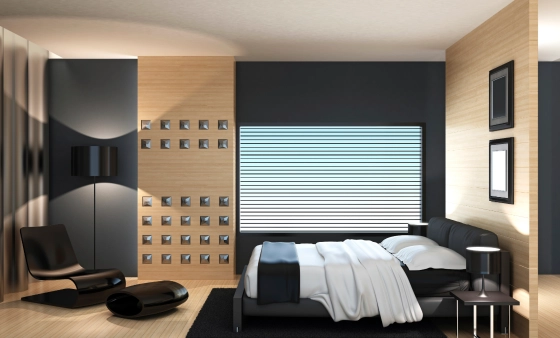
As you drag your weary body and slowly push open the hotel room door, the soft corridor lights automatically illuminate like warm sunshine. The air conditioning adjusts to the perfect temperature, curtains glide shut like graceful dancers, and a smart speaker asks in a gentle voice if you'd like music played—this dreamlike scene isn't from some distant sci-fi film, but the remarkable reality of intelligent room control systems. As the core driving force behind smart hotels, this system is subtly yet profoundly reshaping the service standards and operational logic of the hospitality industry with an imperceptibly refined touch.

Technology Convergence: Creating the Smart Hub for Accommodation Spaces
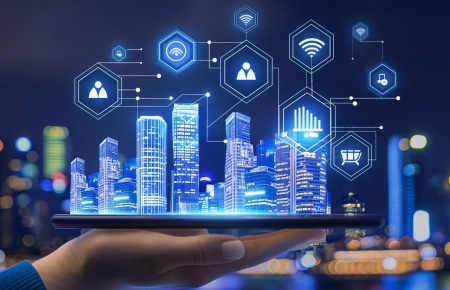
In traditional hotel rooms, lighting, air conditioning, curtains and other equipment operate independently, resulting in cumbersome and complex controls alongside persistently high energy consumption. Leveraging the formidable capabilities of IoT technology, the intelligent room control system integrates disparate hardware devices into a cohesive, organic whole.
The RCU intelligent controller, serving as the system's central hub, functions like an astute commander, gathering real-time device status data. It supports multiple communication protocols including Wi-Fi, Zigbee, and Bluetooth, ensuring commands are responded to instantly and every operation is executed with precision.
Sensor networks form the “spatial awareness layer”, functioning like countless pairs of keen eyes that automatically detect room occupancy status. For instance, when a guest departs a room, the system will automatically switch off non-essential electrical appliances after 15 minutes, achieving energy savings of 30% to 50% and significantly reducing the hotel's operational costs.

The multi-modal interface breaks down operational barriers, allowing guests to freely select their preferred control method. Whether via mobile app, voice assistant, in-room tablet or traditional switch panel, guests can effortlessly switch between scene-based settings such as “Welcome Mode”, “Sleep Mode” and “Movie Mode”. A case study from a luxury hotel demonstrates that scene-based control increased guest satisfaction by 27% while reducing equipment failure rates by 40%.
Personalised Service: Catering to Each Guest's Unique Requirements
The intelligent room control system elevates the accommodation experience to unprecedented heights through a closed-loop mechanism of ‘data accumulation – algorithmic analysis – service iteration’. Seamless service stands as a key feature of the system. Smart door locks synchronise with corridor lighting: the moment a guest opens their door, corridor lights illuminate automatically, creating a welcoming ambience. When guests rise at night, under-bed sensor strips activate softly, avoiding harsh glare and conveying thoughtful care. The preference memory function proves particularly considerate. The system records guests' historical preferences—such as air conditioning temperature and bedside lamp brightness—automatically adjusting settings upon their return. Following a pilot programme at a chain hotel, repeat occupancy rates increased by 18%, demonstrating the compelling appeal of personalised service.

Emergency response capability also serves as a vital safeguard for the system. SOS buttons installed in bathrooms connect directly to the security centre, while smoke detectors integrate with the fire alarm system to ensure swift action during emergencies. During a gas leak incident at a Kaohsiung hotel in 2024, the system shut off valves within three seconds and alerted the fire department, successfully averting a major disaster.
Operational Innovation: Data-Driven Hotel Efficiency The intelligent room control system grants hotel managers a comprehensive overview, achieving cost reduction and efficiency gains. Visualised energy consumption enables real-time monitoring of electricity and water usage per room, generating optimised energy-saving recommendations based on this data. One budget hotel analysed air conditioning usage patterns and adjusted the summer preset temperature from 22°C to 24°C, achieving monthly electricity savings of £12,000 and significantly reducing operational costs.
The fault warning function monitors abnormal equipment current and voltage, issuing maintenance work orders 48 hours in advance to minimise guest complaints arising from sudden breakdowns. The service automation feature enables guests to submit requests for water delivery or cleaning via the app, which are routed directly to service terminals, reducing response times from 15 minutes to 3 minutes. Following the system's implementation at a hotel in Kunshan, Jiangsu, room cleaning efficiency increased by 35% while labour costs decreased by 22%.
Safety Escort: Establishing a Comprehensive Security Barrier
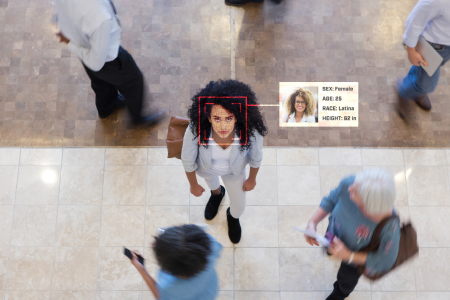
The system implements a three-tier security framework, providing robust safeguards for guest accommodation safety. The physical layer employs industrial-grade redundancy design, with primary and backup power supplies and hot-swappable circuit boards ensuring 24/7 system stability. Even during low-voltage power outages, traditional switches enable manual device control, guaranteeing uninterrupted guest usage. The data layer utilises biometric technology (such as facial recognition door locks) combined with dynamic encrypted transmission to prevent guest information leakage. A case study at a five-star hotel demonstrated that facial recognition access control reduced unauthorised intrusion incidents by 90%, significantly enhancing hotel security. The behavioural layer employs AI algorithms to analyse guest activity patterns, triggering alerts for abnormal behaviour (such as prolonged bathroom occupancy). During a 2025 trial at a Shanghai hotel, the system successfully identified three instances of sudden guest illness, securing critical response time for emergency assistance.
Future Outlook: Advancing Towards an Era of Comprehensive Connectivity
With the deep integration of 5G and AI technologies, intelligent guest room control systems are transcending traditional boundaries to usher in a new era of holistic connectivity. Seamless check-in will become a reality, where systems automatically authorise room access cards, pre-heat air conditioning, and adjust lighting prior to guests' arrival. Upon departure, electronic invoices and bills will be synchronously delivered to mobile devices, enhancing travel convenience. Cross-scenario integration will enable seamless connectivity between guest rooms and facilities such as restaurants, gyms, and meeting rooms. For instance, upon booking a spa treatment, the room's bathtub will automatically fill and adjust its temperature, delivering more thoughtful service. Carbon-neutral operations represent another future trajectory, with systems interfacing with city grids to automatically activate energy storage during off-peak electricity periods, supporting hotels in achieving zero-carbon targets. A certain international hotel group plans to convert 80% of its properties into smart, low-carbon hotels by 2030, contributing to environmental conservation. The ultimate value of intelligent room control systems lies not in the sheer novelty of the technology itself, but in how it subtly and seamlessly allows technology to return to its human-centric essence. In the future, with the integration of AI emotional intelligence, systems may anticipate guests' moods – playing soothing music when they are weary or recommending local attractions when they are in high spirits. The intelligent revolution in the hospitality industry is fundamentally a return to the human element, and the smart room control system stands as the warmest footnote in this transformation.