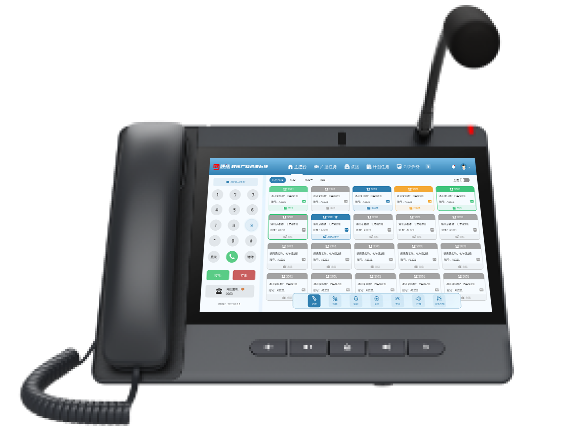
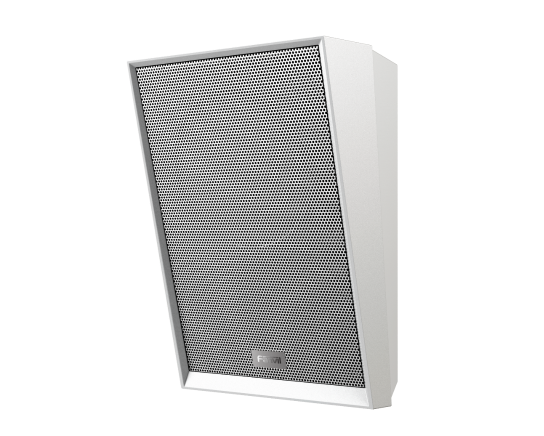
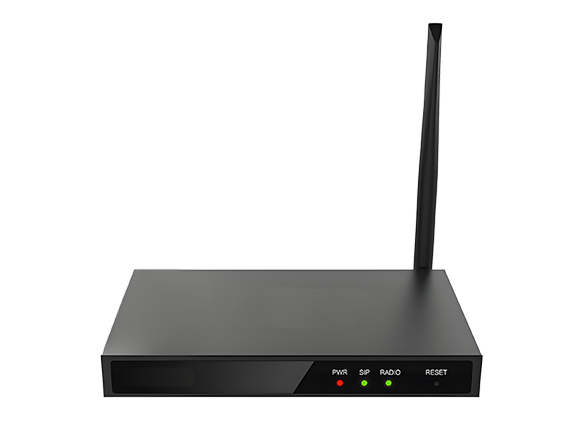
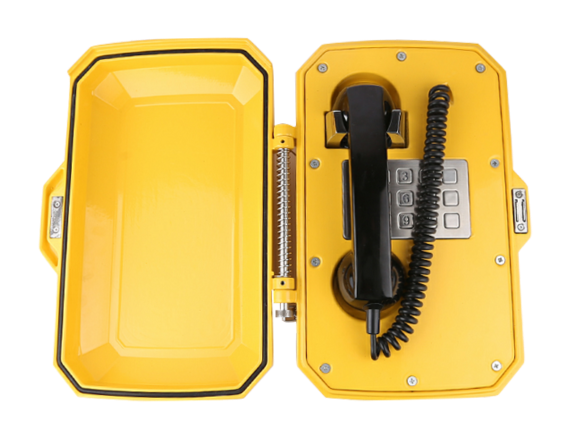
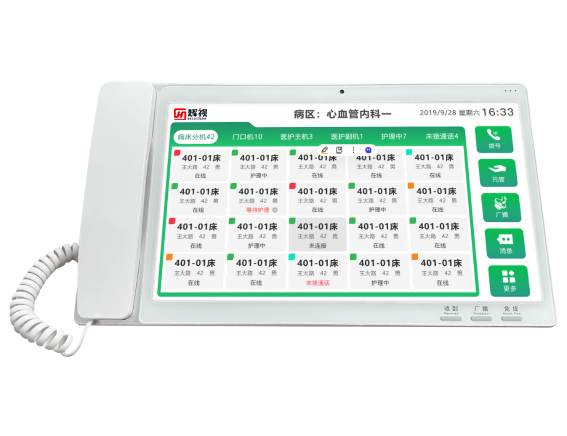
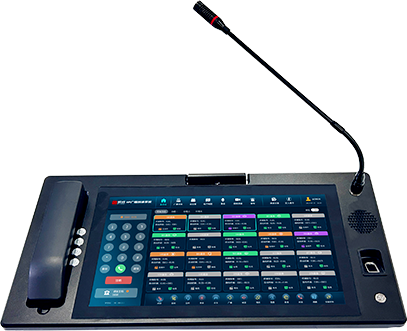
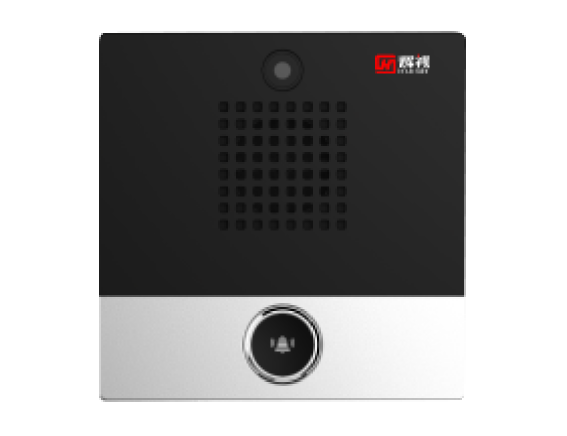
Amidst the flourishing development of smart postnatal care centres, the IPTV-integrated intercom system is revolutionising communication and management models within these facilities. Leveraging its unique features and formidable advantages, it establishes a new ecosystem for efficient, convenient, and intelligent mother-infant communication.

From the perspective of daily communication, the IPTV integrated intercom system overcomes numerous limitations of traditional communication methods. In maternity centres, new mothers require a tranquil environment for recuperation while maintaining close contact with nursing staff and family members. Previously, mothers might have relied on telephone calls or face-to-face interactions, but ringing telephones could disturb their rest, while face-to-face communication proved difficult when mothers were restricted in their movements. Leveraging the centre's television network, the IPTV integrated intercom system enables mothers to engage in real-time communication via television terminals, whether in their bedrooms, the lounge, or communal areas. Nursing staff can swiftly communicate with mothers across different floors and rooms to ascertain their physical condition and dietary requirements, such as inquiring about additional meals or any discomfort. Family members can also maintain constant contact to offer care and encouragement. This significantly enhances communication efficiency, strengthens the mothers' connection with the outside world, and allows them to feel greater warmth and affection.

In health management, the IPTV-integrated intercom system plays a pivotal role. It interfaces with the maternity centre's health monitoring equipment to capture real-time health data for both mothers and newborns, including maternal temperature and blood pressure, alongside neonatal weight and temperature readings. Should any health metrics deviate from normal ranges, the system automatically alerts nursing staff via the intercom function, providing detailed information on the anomaly. Nursing personnel can promptly attend to address the situation, ensuring the health and safety of both mother and baby. Furthermore, the system supports remote medical consultation. Mothers and family members may conduct video calls with doctors via television terminals to seek advice on postnatal recovery, newborn care, and related matters. Doctors provide professional guidance based on health data and symptoms, safeguarding the wellbeing of both mother and baby.
Smart postnatal care centres emphasise resource integration and sharing, and the IPTV-integrated intercom system perfectly meets this requirement. It interfaces with the centre's access control and surveillance systems to achieve seamless data connectivity. For instance, when a mother or family member enters a designated area via the access control system, the system automatically records entry and exit details. It can then contact them via the intercom function as required to ascertain the situation. Simultaneously, the system works in tandem with the surveillance system. Should any anomalies be detected—such as a newborn crying incessantly or a mother unexpectedly falling—it promptly notifies relevant personnel via the intercom to attend to the matter. This provides robust support for the postnatal care centre's safety management.

In terms of cultural entertainment, the IPTV integrated intercom system offers expectant mothers a novel experience. The system broadcasts diverse cultural and entertainment content via television terminals, including parenting knowledge lectures, postnatal recovery courses, relaxing music, and films. Mothers-to-be may select viewing content according to their interests and utilise the integrated intercom function to communicate and discuss with fellow expectant mothers, sharing parenting experiences and postnatal recovery insights. Furthermore, the system facilitates organised online cultural activities, including virtual parenting experience-sharing sessions and postnatal yoga classes. Mothers can utilise the intercom function to register for events, exchange feedback, and enrich their cultural and spiritual lives, thereby fostering communication and interaction among fellow mothers.
Looking ahead, as technology continues to advance, the IPTV-integrated intercom system within smart postnatal care centres will undergo continuous upgrades and refinements. It will integrate with more artificial intelligence technologies to achieve smarter communication and management. For instance, through voice recognition and natural language processing, the system will automatically comprehend and respond to mothers' instructions; utilising big data analytics, it will provide personalised services and recommendations based on mothers' usage habits and requirements. It is anticipated that in the near future, the IPTV integrated intercom system will become an indispensable component of smart postnatal care centres, injecting fresh vitality into the development of this sector.