In today’s highly competitive hospitality industry, delivering an exceptional guest experience is a key strategy for enhancing customer satisfaction and loyalty. The usability of a smart TV IPTV system has also become a crucial step in demonstrating the modernisation and digitalisation of a hotel’s services. This article will explore in depth the components of a hotel smart TV IPTV system solution, including the user interface (UI), interface design and implementation processes. By optimising and integrating these elements, hotels can enhance service quality, improve the guest experience and, ultimately, achieve growth in commercial revenue.
I. Overview of the Smart TV IPTV System
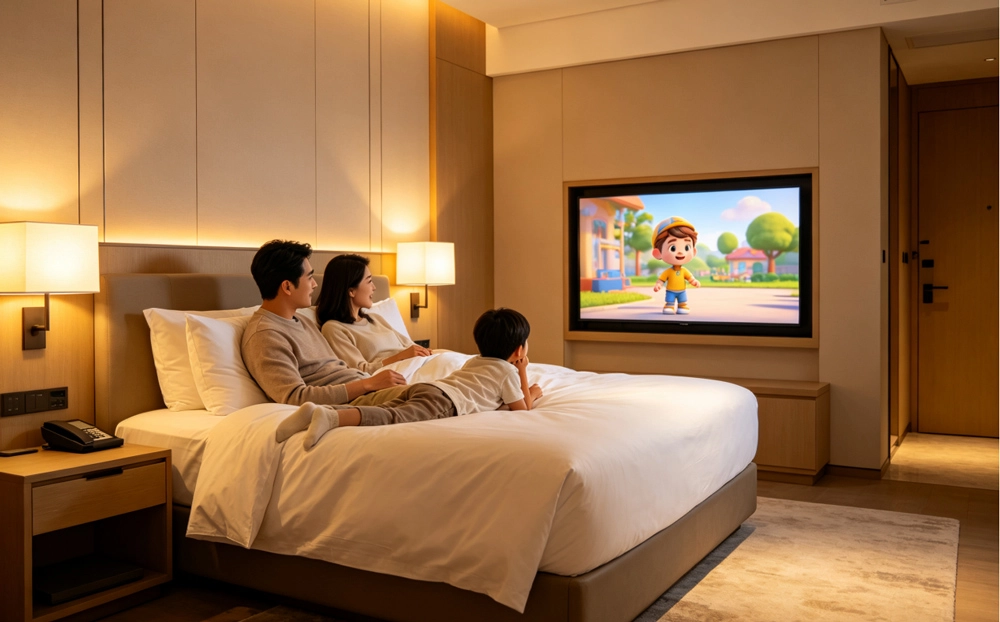
A smart TV IPTV system is a television device that integrates internet and multimedia functions; it not only offers the playback capabilities of a traditional television but also provides a wide range of online services. The use of such IPTV systems in hotel rooms enables guests to enjoy a wealth of entertainment options whenever and wherever they wish, whilst meeting modern guests’ demand for digital services and personalised experiences.
1. Analysis of customer requirements
Before developing a smart TV IPTV system solution, it is first necessary to conduct an in-depth analysis of the target customer base. Different customer groups (such as business travellers, family holidaymakers and holidaymakers) have varying needs. For example, business travellers may be more interested in playing back and projecting meeting minutes, whilst family holidaymakers may wish to enjoy children’s channels and online films. Therefore, when designing the system solution, it is essential to take into account the diverse needs of all customer groups.
2. Industry Trends and Competitive Analysis
By analysing the smart TV IPTV systems of other hotels within the industry, we can identify a number of common success factors, such as user-friendly interface design, a wealth of content resources and convenient operating procedures. Understanding industry trends and competitors’ strategies helps in developing more targeted solutions to stand out in the market.
II. User Interface (UI) Design
A successful smart TV IPTV system relies on good user interface design. The user interface must not only be visually appealing but also easy to use, enhancing the user experience and achieving a perfect blend of technology and aesthetics.
1. Visual Design
Visual design is the primary element of user interface design. Colour schemes, font choices and icon designs all directly influence the user’s first impression. For smart TVs in hotels, warm colour tones can be used to create a comfortable experience for guests, whilst ensuring that text and icons remain clearly legible.
2. Information Architecture
When designing an information architecture, it is important to take into account users’ habits when using smart TVs. Typically, the user interface can be divided into several main sections, such as: Home, Films and TV programmes, Hotel services, Settings, and so on. A well-designed information architecture enables users to find the content they need quickly, thereby improving efficiency.
3. Interaction Design
Interaction design focuses on the ways in which users interact with a system. In smart TVs, a variety of interaction methods—such as remote controls, touchscreens and voice control—can be integrated. When designing, consideration should be given to the usage habits of different users to ensure that all interaction methods are universally applicable and easy to understand.
III. Interface Design
The interface design for a smart TV system primarily involves the integration of front-end and back-end systems. This process includes the definition and development of external service interfaces to ensure the smooth implementation of all functions.
1. Application Programming Interface(API)
APIs are a vital component in enabling communication and data exchange between systems. In smart TV systems, APIs can connect hotel management systems, online content platforms, advertising systems and so on. When designing APIs, care must be taken to ensure their security and efficiency, and to avoid service interruptions caused by interface issues.
2. User Account System
Creating a personal account for each guest, enabling them to freely choose what to watch, check their bills and access self-service options, helps to provide a personalised service. The interface design of the account system should not be overly complex, ensuring that users can easily complete the registration and login processes.
3. Data Management
When designing the interface for a smart TV system, data storage and management are also of paramount importance. It is essential to ensure that guests’ viewing preferences and viewing history are stored securely and efficiently, to facilitate subsequent data analysis and recommendation services.
IV. Implementation Process
A good solution must be implemented smoothly in order to realise its full potential. The following are the key steps in implementing a smart TV system:
1. Project Launch and Review
Prior to implementing the Smart TV IPTV system, a project kick-off meeting must first be held to clarify the project objectives, scope and the responsibilities of all parties. During the project review phase, a specific timetable and budget allocation should also be established to ensure the smooth progress of all project activities.
2. Hardware Selection and Installation
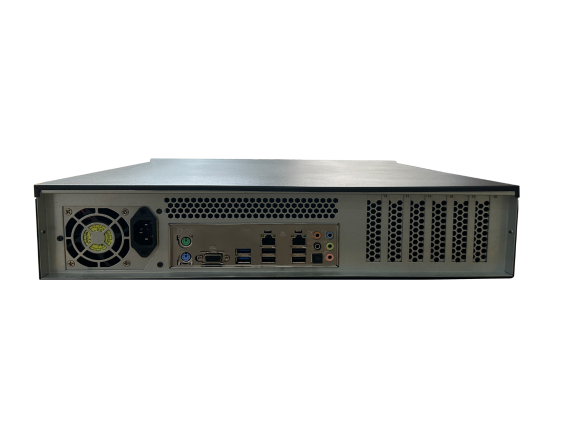
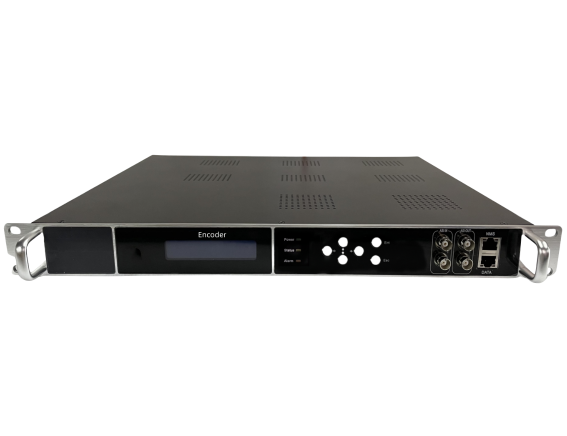
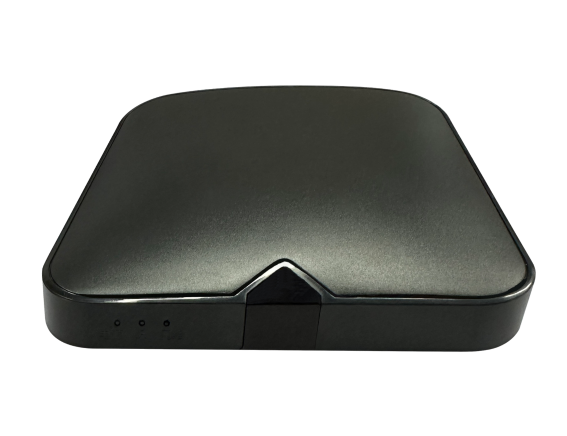
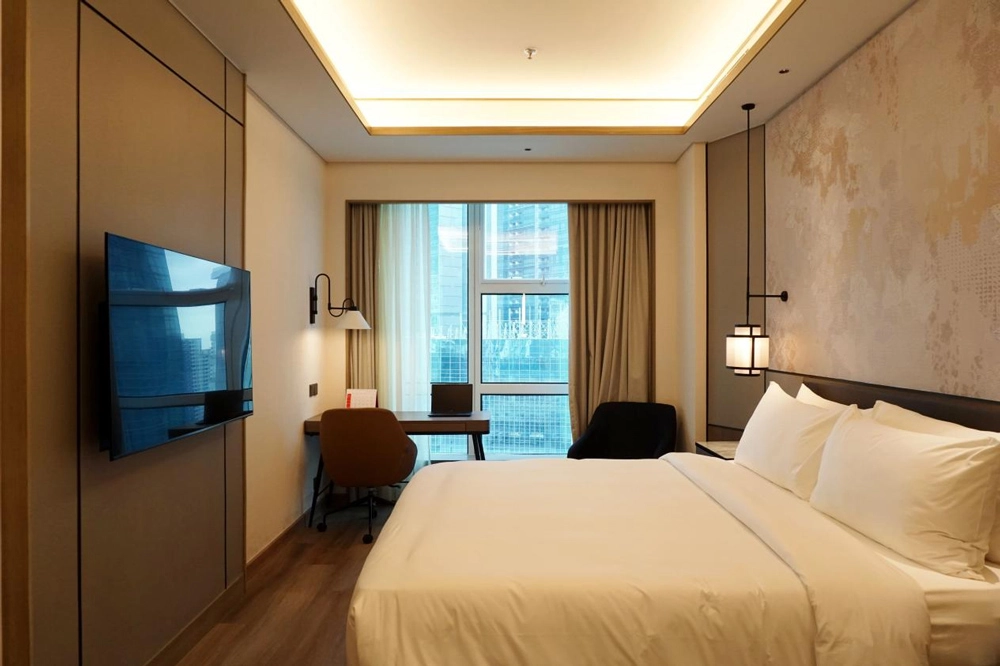
The selection of hardware is a crucial aspect of implementing a smart TV IPTV system. Depending on the hotel’s size and budget, televisions of different brands and models can be chosen. During installation, it is essential to ensure a stable internet connection for the equipment, guaranteeing seamless access to online content platforms.
3. Software Development and Testing
When developing software, the team must code strictly in accordance with the design documentation and carry out comprehensive testing upon completion to ensure there are no functional defects. Testing should cover multiple aspects, including user-friendliness, performance stability and security.
4. Launch and Feedback
Once the system is complete, conduct a trial run on a small scale to gather user feedback, promptly rectify any issues and optimise the system. Before the official launch, ensure that all functions are operating correctly to avoid any adverse impact on guests.
5. Training and Maintenance
Once the system has gone live, hotel staff should receive the necessary training to ensure they are fully proficient in the operating procedures and troubleshooting of the smart TV IPTV system. At the same time, a regular maintenance schedule should be established to ensure the system continues to operate stably.
V. Conclusion
The design and implementation of a smart TV IPTV system in hotels is a key element in enhancing the guest experience. From user interface design and system interface integration to hardware deployment, software testing and ongoing maintenance, every stage must be planned in line with the hotel’s actual operational requirements. Through sound system design and reliable technical support, hotels can not only enrich the range of in-room services but also provide guests with a more convenient and comfortable digital experience.
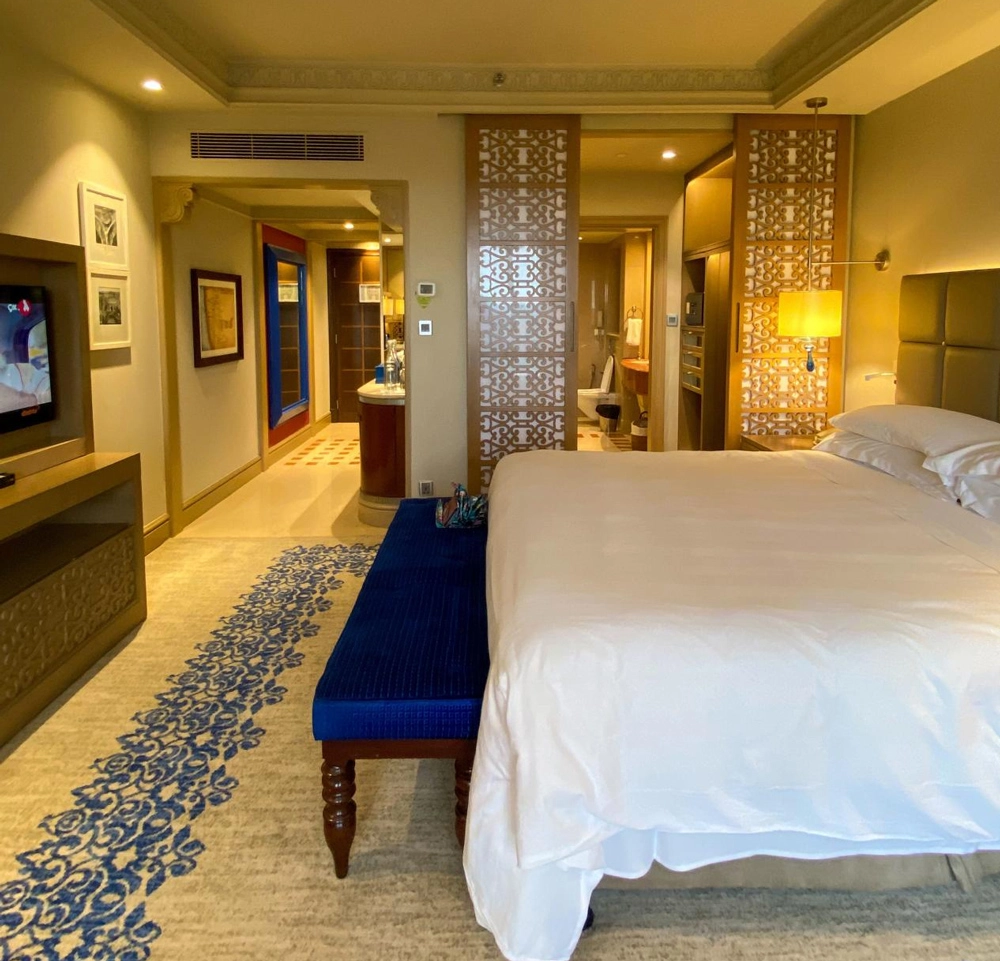
In practice, a fully-fledged hotel IPTV system does more than simply connect televisions to the internet; it integrates television terminals with hotel services, content resources and operational management. Guests can use the in-room television to access hotel information, browse audio-visual content and utilise hotel services, thereby gradually transforming the traditional television into a comprehensive information and entertainment portal within hotel rooms.
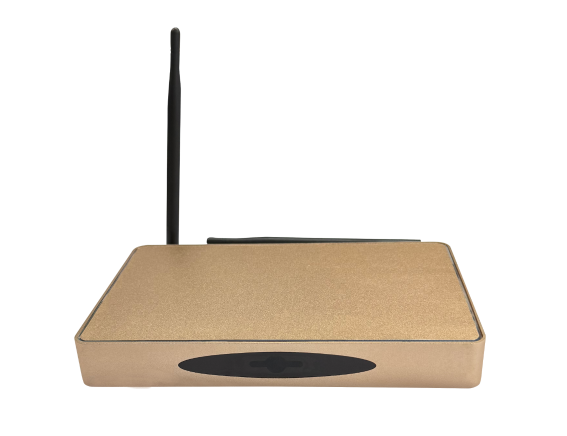
Based on the practical needs of the hospitality industry, Huishi has developed an IPTV integrated video system tailored to hotel environments. This system combines live TV broadcasts, on-demand video, hotel information dissemination, room service and advertising operations, whilst supporting customisation of the interface and features to suit individual hotel brands and operational requirements. Through unified platform management, hotels can centrally manage in-room TV content, programme resources, welcome screens and related information, enabling the in-room TV to serve not only as an entertainment device but also as a channel for information exchange between the hotel and its guests.
For hotels of varying sizes and market positioning, the system can also be integrated with existing television equipment, network infrastructure and hotel management systems to design bespoke solutions, thereby meeting basic audio-visual requirements whilst further expanding personalised services and digital operational capabilities.
As the digital transformation of the hospitality sector continues to advance, smart TV IPTV systems will gradually evolve from simple audio-visual entertainment devices into integrated guest room interaction platforms that combine content, services, information and operations. For hotels, selecting an IPTV system that meets their specific needs not only enhances the guest room experience but also represents a significant step towards the digitalisation of hotel services.
We hope that the detailed analysis in this article will provide you with valuable guidance to support the successful implementation and operation of your hotel’s smart TV IPTV system. On this journey centred on the user experience, let us look forward together to the many possibilities that smart TVs have to offer.