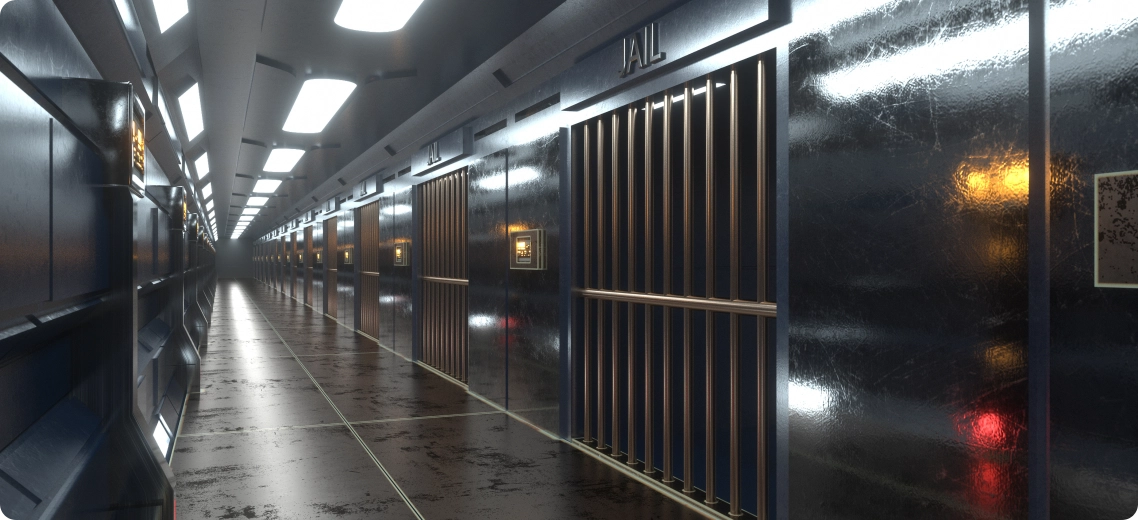
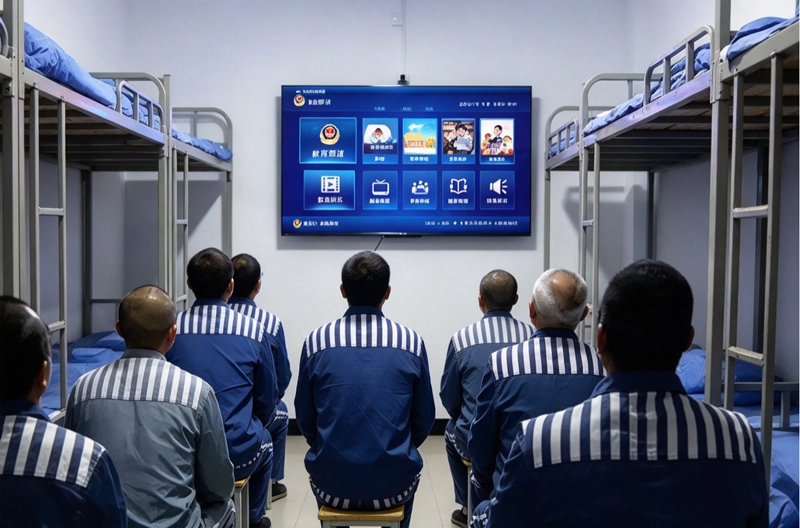
As the digitalisation of detention centres continues to advance, prison management is evolving from traditional manual methods towards digital and intelligent systems. As key terminal devices linking staff, detainees and operational systems, specialised interactive terminals in detention centres are increasingly being used in scenarios such as information enquiries, two-way communication, educational management and administrative applications.
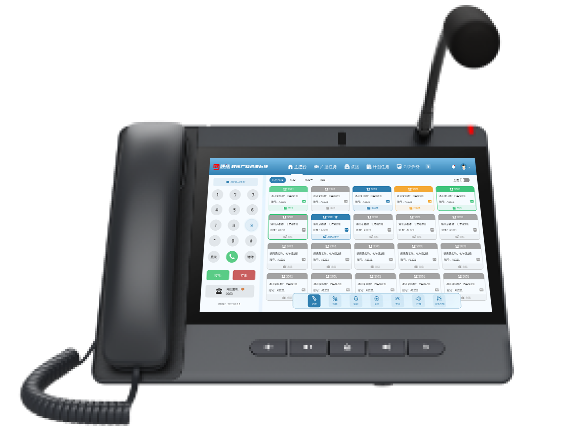
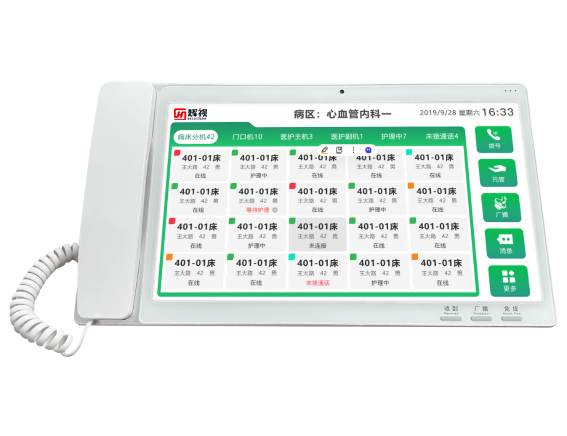
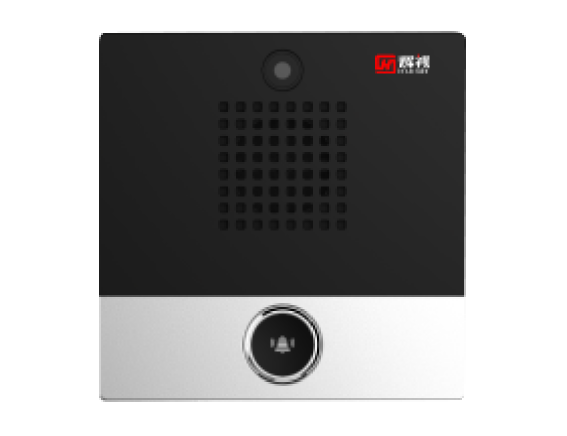
In response to the practical management needs of remand centres, Huishi has launched the Remand Centre Interactive Terminal (in-cell display), which integrates with the cell interaction system, SIP public address and intercom system, visiting system, and education management system, providing terminal equipment and system integration support for the digital management of remand centres.
So, what are the main functions of the detention centre interactive terminals? And in which management scenarios can they be used? This article will explore these topics from three perspectives: basic functions, customised applications and future developments.
1. What is a dedicated interactive terminal for detention centres (in-cell screen)?
Detention centre-specific interactive terminals are a type of digital interactive device designed for the detention centre environment. Through hardware such as touchscreens, cameras, microphones and loudspeakers, and in conjunction with a back-end management platform and relevant operational systems, they provide functions including information display, audio and video communication, educational programmes and the submission of administrative requests.
Unlike standard information enquiry terminals, interactive terminals in detention centres must be specifically designed to meet the requirements of prison management, taking into account aspects such as device security, access control, communication methods and system integration.
In actual projects, interactive terminals can be deployed in detention cells, functional areas and other locations, and configured with appropriate functions in accordance with the detention centre’s management regulations and operational procedures.
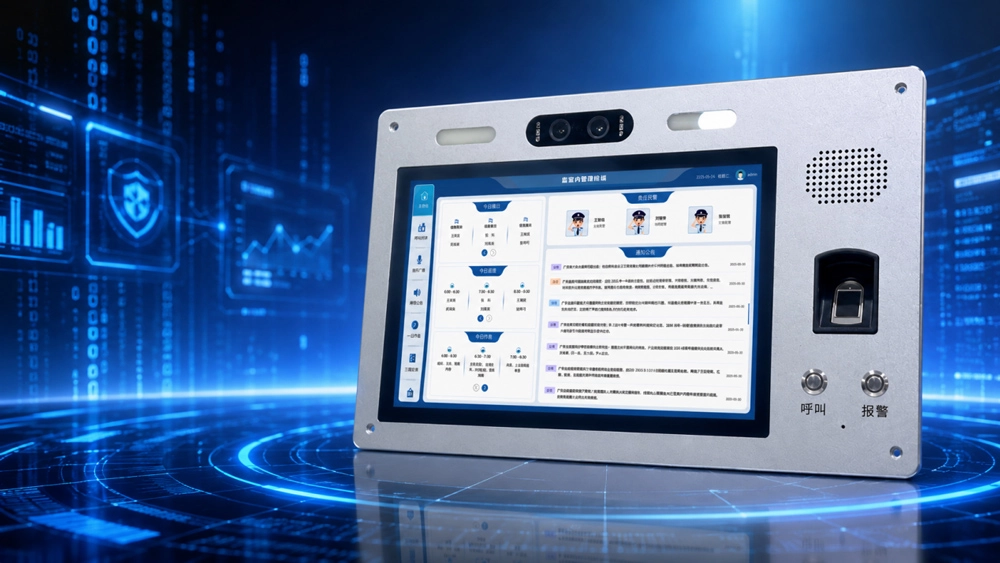
II. What are the basic functions of the dedicated interactive terminals used in detention centres?
1. Information Publication and Enquiries
Information display is one of the key applications of the dedicated interactive terminals used in detention centres.
Via the terminal, information such as daily announcements, management notices, educational content, laws and regulations, and codes of conduct can be displayed in accordance with access permissions, thereby reducing the burden of information dissemination associated with traditional paper-based notices and manual communication methods.
At the same time, within the scope of its authorisation, the terminal can interface with relevant business systems to provide management staff with the necessary access to information.
A standardised approach to information dissemination ensures that information displayed in the prison wings is presented in a more consistent manner, whilst also enabling relevant staff to access the information they require in a timely manner.
2. Audio and video intercom and two-way communication
In the day-to-day management of detention centres, there is a significant need for communication between detention cells, duty rooms and management posts.
Using the detention centre’s dedicated interactive terminals, functions such as voice intercom and video calls can be enabled through SIP communication technology. When a communication request arises, the relevant personnel can initiate the request via the terminal, which is then answered and handled by the management console.
3. Alarm and Emergency Response Coordination
In the day-to-day management of detention centres, information regarding any unusual circumstances must be communicated promptly.
The detention centre interactive terminal (in-cell screen) can be integrated with the alarm system, duty management terminal, video surveillance and public address system in accordance with project requirements.
For example, when an alarm is triggered at a terminal, the management console receives a corresponding notification and can verify the situation and take further action using functions such as live video feeds and two-way radio communication.
By linking information across multiple systems, it is possible to reduce repetitive operations between different devices and establish clearer workflows for tasks such as alarms, confirmations and communications.
4. Education, Learning and Content Management
Educational management is also a key area of application in the digitalisation of detention centres.
Via the interactive terminal, laws and regulations, policy training, codes of conduct, safety training and other relevant learning materials can be displayed in accordance with management requirements.
Back-office administrators can centrally configure and update educational content, and set the relevant information according to different regions, personnel or management requirements.
Compared with traditional paper-based promotional methods, digital terminals offer a wider range of ways to present information and make it easier to update content in the future.
5. Online Applications and Services
In the course of day-to-day management, a variety of administrative requests and feedback are handled.
Interactive terminals designed specifically for detention centres can be integrated with relevant management systems in accordance with the centre’s actual operational workflows, providing functions such as submitting applications, entering information and checking status. For example, business portals for visit requests, feedback and administrative requests can be configured according to project requirements.
Once application details have been submitted, they can be viewed and processed centrally via the back-end management platform, ensuring a seamless workflow from submission at the point of origin through to back-end verification.
It should be noted that the specific scope of operations and approval procedures should be configured in accordance with the management regulations of the local detention centre and the actual requirements of the project.
III. Customisable Features of Detention Centre Interaction Terminals
As there are differences in the management models, operational systems and construction requirements of different remand centres, the dedicated interactive terminals for remand centres must, in addition to their basic functions, possess a certain degree of system adaptability and customisation capability.
HuiShi can be customised to meet project requirements in terms of user interface, software functionality, system interfaces and hardware configuration.
1. Customisation of the terminal interface
Different projects have different requirements regarding the content displayed on the terminal and the methods of operation.
The interactive terminal can be customised to suit project requirements, including adjustments to the home page layout, function access points, display modules, fonts and the user interface.
For example, functions such as alarms, intercoms, information enquiries, educational learning and service requests can be categorised according to actual business processes, ensuring that the terminal interface is consistent with the on-site management model.
2. Custom software development
The software functions of the interactive terminals can be customised to meet the operational requirements of different detention centres.
For example, depending on project requirements, the following systems can be integrated: the detention centre business management system; the visiting management system; the audio-visual education system; the information dissemination system; the public address and intercom system; the video surveillance system; the alarm management system; the access control system; and other relevant systems.
Through system interfaces and platform integration, interactive terminals are no longer standalone devices, but rather serve as a business portal within the detention centre’s IT system.
3. Multi-system integration
The development of information systems in detention centres typically involves multiple operational systems.
If different systems operate independently of one another, administrators will need to switch between devices and platforms frequently in their day-to-day work.
Consequently, the detention centre’s interactive terminal can be integrated with systems such as the cell interaction system, the SIP public address and intercom system, the visiting system and the video surveillance system, in accordance with project requirements.
For example: Alarm → Alert to duty officer → Video view → Two-way intercom → Integrated public address system. By linking information across systems, different operational functions are integrated, providing a unified interface for the day-to-day management of detention centres.
For example: Alarm → Alert to duty officer → Video view → Two-way intercom → Integrated public address system. By linking information across systems, different operational functions are integrated, providing a unified interface for the day-to-day management of detention centres.
Detention centres are operational environments with stringent management requirements, and the operational permissions vary depending on the role.
Different user permissions can be configured for the interactive terminals and the back-end management platform according to project requirements.
For example, different roles—such as managers, on-duty staff and system administrators—can access the relevant functions and information in accordance with their permissions.
Through a tiered authorisation system, staff in different roles can use the system in accordance with predefined permissions, thereby reducing unnecessary access to information and operations.
5. Data Recording and Back-end Management
Operational information such as alarms, communications and requests generated on the interaction terminals (in-cell screens) in detention centres can be logged and retained in the background in accordance with project requirements.
Managers can view relevant business records via a centralised platform and analyse operational activities by referring to system logs. For business processes requiring a record of actions, data storage and query functions can be configured in accordance with project requirements, thereby providing a data basis for subsequent management tasks.
IV. Typical Application Scenarios for Dedicated Interactive Terminals in Detention Centres
In practical terms, the interactive terminals in detention centres (screens inside cells) are not merely used for displaying information, but can be utilised across a range of detention centre management scenarios.
1. Day-to-day interactions in the prison cell
Deployed within prison cells, these devices enable users to view information, access educational content, submit requests and communicate via touchscreen controls.
2. Communications Management in the Control Room
Working in conjunction with the duty management terminal, it enables voice and video communication, as well as the exchange of alarm information, between the detention cells and the duty room.
3. Educational Management
Used to display content such as laws and regulations, educational materials and safety training, it serves as a terminal platform for digital education.
4. Remote visits
By integrating the visit management platform with the audio-visual communication system, we provide terminal support for remote visit services that comply with the relevant management requirements.
5. Emergency response coordination
It interfaces with systems such as alarm, CCTV, public address and intercom systems, providing management staff with a platform for receiving information and coordinating a response in the event of an incident.
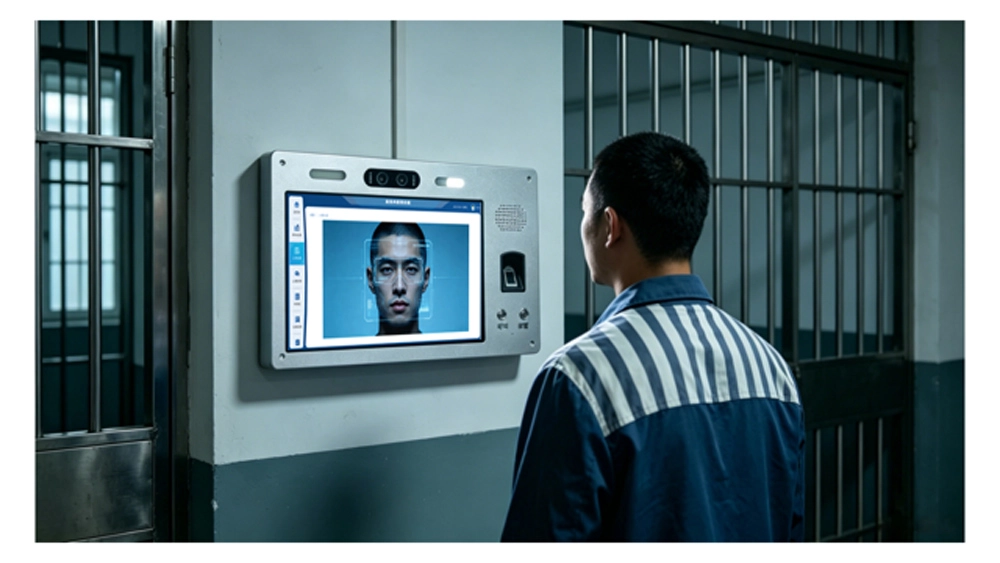
6. Regular roll calls in the cells
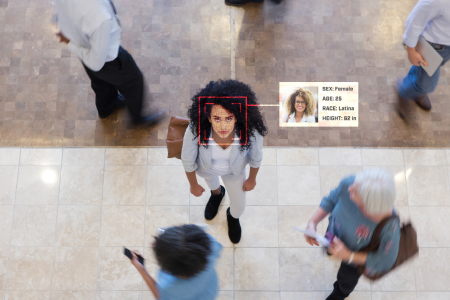
The system automatically takes attendance every day at fixed times, utilising facial recognition technology and dedicated equipment to manage queues, take attendance and count headcounts, thereby reducing repetitive work.
V. System Integration Capabilities of the Huishi Dedicated Interactive Terminals for Detention Centres
For detention centres, individual terminal devices are merely one aspect of their IT infrastructure; what is more important is that these terminals can be integrated with existing business systems.
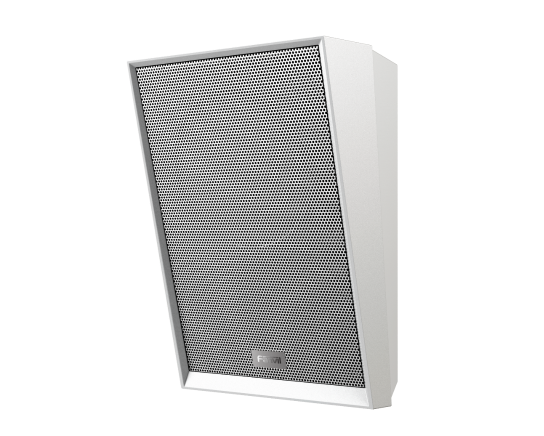
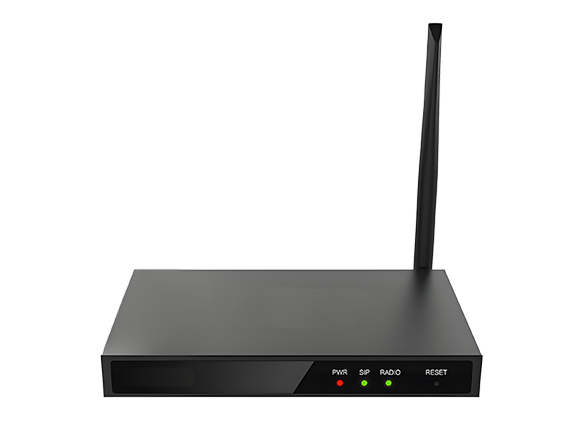
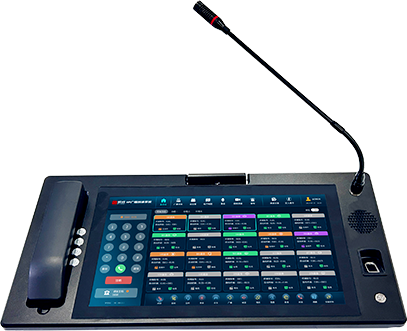
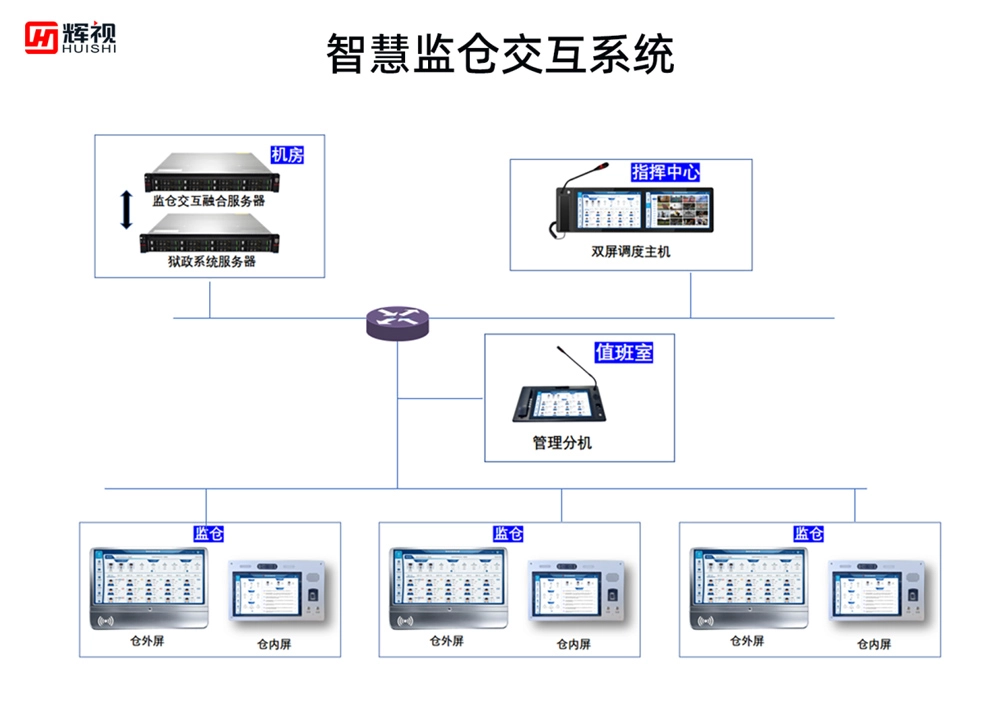
Focusing on the practical application needs of detention centres, Huishi integrates its specialised interactive terminals for detention centres with products such as the cell block interactive system, duty management terminals, dual-screen dispatch consoles, SIP public address and intercom systems, and visiting systems.
Overall, this can form an integrated architecture comprising: the cell block end, the duty station end, the management platform, the audio-visual system, the public address and intercom system, and the operational systems.
Under this operational model, the prison cell end is responsible for information exchange and security duties, the control room end is responsible for day-to-day communications and operational processing, and the management platform is responsible for centralised configuration and data management; the various operational systems are interconnected and integrated in accordance with project requirements.This helps to reduce information silos and facilitates smoother information exchange between the prison cells, the control room and the management platform.
VI. How do specialised interactive terminals for detention centres contribute to the digitalisation of correctional facilities?
As the digital transformation of detention centres continues to advance, terminal devices are evolving from simple information display tools into comprehensive interactive portals. On the one hand, interactive terminals can support a wide range of functions, including information dissemination, intercom communication, educational programmes and application processing; on the other hand, by integrating with back-end platforms and relevant systems, the scope of their applications can be further expanded.
For detention centre staff, this enables the management of equipment and operations via a unified platform; for staff in the detention cells, it allows for greater daily information exchange via interactive terminals, thereby establishing a digital management model that shifts from ‘single-device applications’ to ‘integrated system applications’.
VII. Future Development Directions for Detention Centre Interactive Terminals
In the future, as technologies such as artificial intelligence, the Internet of Things and audio-visual communications are increasingly applied to the digitalisation of detention centres, the functionality of the interactive terminals in these facilities will be further expanded.
1. Integration with AI technology
In the future, it will be possible to integrate technologies such as speech recognition and intelligent analysis to expand applications in areas such as identity verification, voice interaction and business support.
2. Integration with more business systems
Interactive terminals can be further integrated with the detention centre’s operational platform, education system, visiting system, public address system and video surveillance system to form a more comprehensive digital application system.
3. The shift from a single terminal to a comprehensive interactive platform
In future, interactive terminals in detention centres will not only display information, but will also serve as a comprehensive portal for services such as information enquiries, communications, education and administrative procedures.
Through a combination of software and hardware, together with platform-based management, functions can be flexibly configured to meet the specific needs of different detention centres.
Interactive terminals in detention centres (screens within cells) are a key component of the digitalisation of detention facilities. From information dissemination, audio and video intercoms, and alarm linkage, to educational programmes, administrative requests and system integration, these interactive terminals can be configured with different functions according to the actual operational requirements of the detention centre and can be integrated with cell interaction systems, visiting systems, public address and intercom systems, and other such systems.
Focusing on the practical management scenarios within detention centres, Huishi provides specialised interactive terminals and related audio-visual integration systems for detention centres. These can be customised in terms of functionality, software development and system integration according to project requirements, helping detention centres to further enhance their digital interactive systems.
As the digitalisation of detention centres continues to advance, interactive terminals in remand centres, cell-to-cell communication systems and audio-visual integration technology will continue to play a role in the day-to-day management, information exchange and operational coordination of detention centres.