I. Practical Challenges in the Development of Video Conferencing Systems for Smart Hospitals
Against the backdrop of the ongoing digital transformation in healthcare, hospital IT infrastructure development has gradually shifted from simple hardware configuration towards a systematic, scenario-based integrated video conferencing system. However, a number of common issues have long persisted within the sector: traditional video conferencing systems suffer from lag and slow response times; there are delays in information transmission; healthcare staff face significant administrative burdens; there is a lack of interoperability between multiple systems; emergency response times are slow; and content moderation poses compliance risks. These pain points directly impact the efficiency of communication between healthcare staff, patients and their families, and also hinder improvements to the overall hospital service experience.
It is against this industry backdrop that Shenzhen Honghui Zhongtong Technology Co., Ltd. (brand name: Huishi), which has specialised in the field of converged video communications for many years, has gradually developed a comprehensive product portfolio and practical expertise, providing the industry with a technical roadmap to follow.
II. Analysis of Huishi’s Technical Approach
HuiShi’s strategic positioning is to become a specialist provider of integrated audiovisual system solutions, driving digital transformation in the B2B sector through a smart ecosystem comprising ‘platform + content + terminals + services’. When applied to the smart hospital context, this positioning manifests in the following key products and technical approaches:
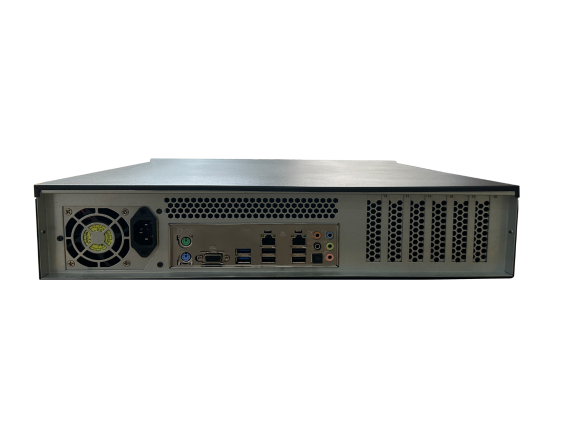
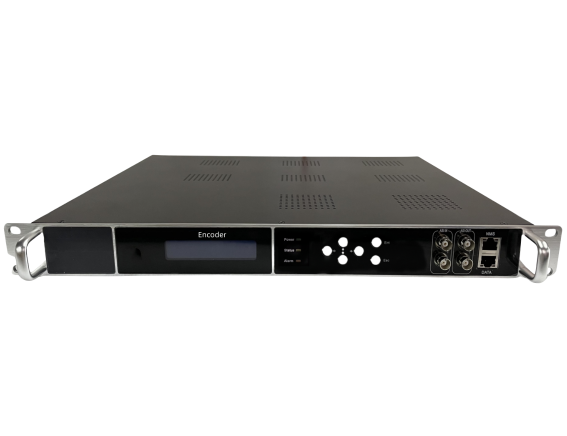
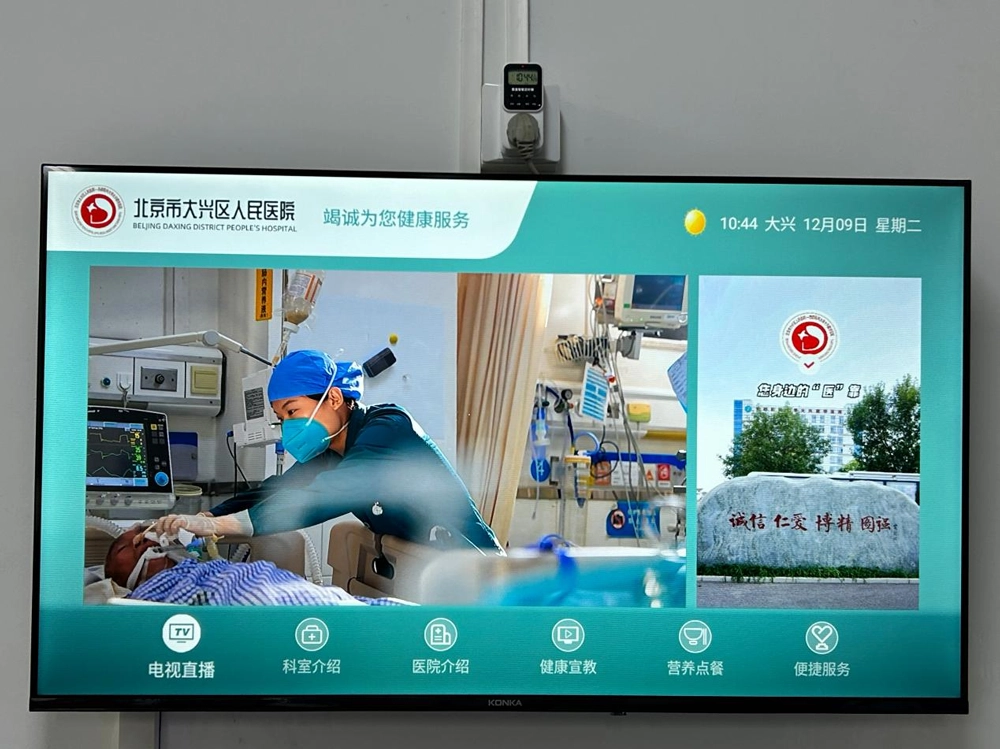
• IPTV Converged Video System: This system is positioned as a deeply customised interactive video platform for the sector, with its unique value lying in the deep integration of services—it interfaces with hospital HIS systems, thereby enhancing service efficiency and the user experience for hospital clients. Key system features include live and on-demand streaming (providing high-definition streaming services to meet diverse audiovisual needs) and system integration (integrating third-party business data to deliver one-stop information services). In terms of deployment models, the system supports a hybrid hardware-and-software approach, allowing hospitals to flexibly choose between cloud-based or on-premises deployment according to their specific circumstances.
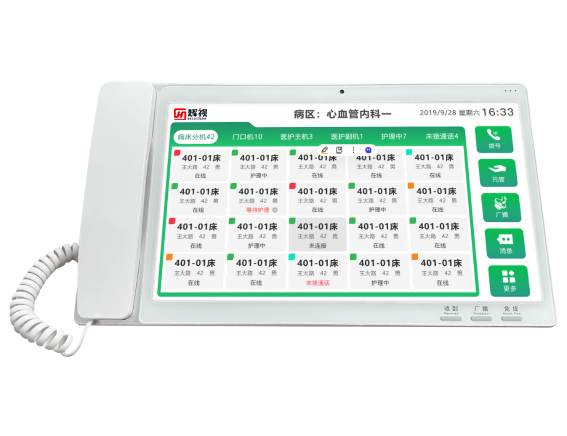
• Ward entrance display unit: As a piece of hardware for medical information exchange, its aim is to address the issues of incomplete information display in wards and difficulties in communication between medical staff and patients. Its unique value lies in ‘transparent communication between medical staff, nurses and patients’, that is, improving the quality of medical services by displaying patient and nursing information in real time. Its primary function is information display, dynamically showing details of the attending doctor and nurse to resolve issues of information asymmetry.
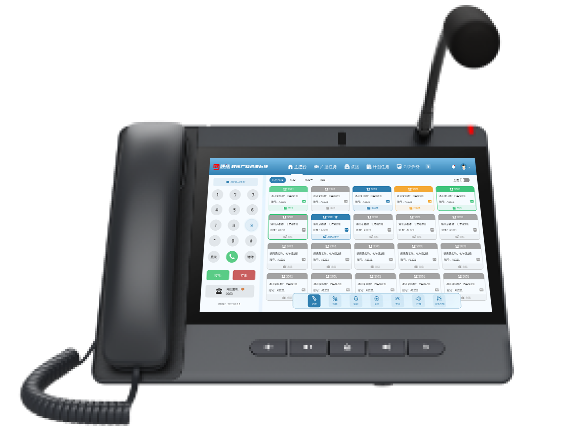
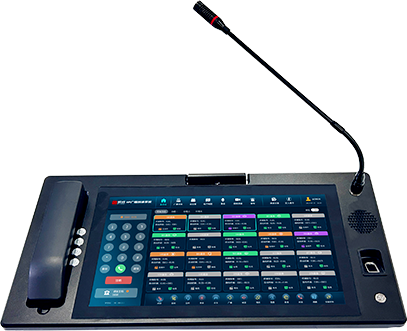
• Medical Staff Host: Positioned as a medical staff intercom management terminal, it is designed to address issues such as delayed call responses and disorganised staff deployment. Its unique value lies in establishing a nursing station dispatch desk to centrally handle ward calls and optimise the allocation of medical staff resources. Functionally, it enables millisecond-level responses to ward requests, thereby enhancing emergency response capabilities.
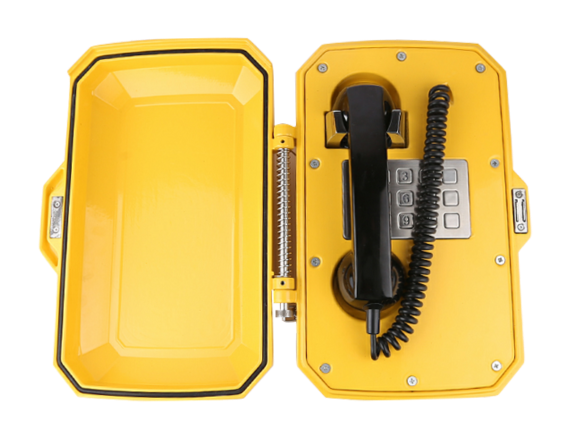
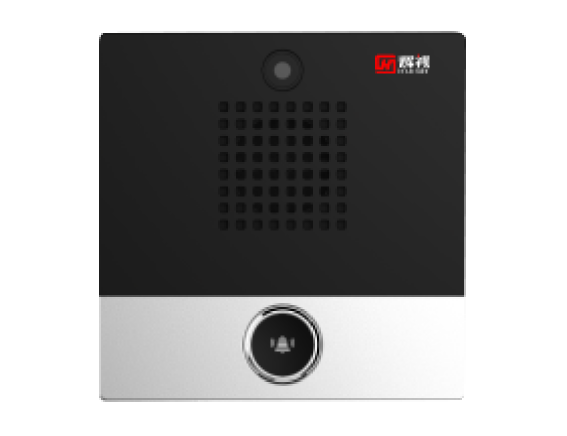
• Waterproof emergency button: As a piece of emergency call hardware designed for specific environments, it primarily addresses the issues of standard alarms being prone to damage in damp conditions and elderly or infirm people being unable to call for help in the event of a sudden illness or accident. Its unique value lies in its highly reliable emergency communication capability—thanks to its waterproof and moisture-resistant design, it ensures that distress signals can be transmitted successfully even in challenging conditions.
This product range does not exist in isolation; rather, it forms a closed-loop system based on the ‘platform + content + terminal + service’ model, covering multiple aspects of interaction between medical staff, nurses and patients in smart hospital settings—from information display and two-way communication to emergency calls.
III. Observations on Future Trends
By combining industry pain points with Huishi Technology’s technical documentation, several future development directions for smart hospital video conferencing systems can be identified:
• Inter-system integration will become the norm. As hospitals become increasingly digitised, there will be an ongoing need to integrate video conferencing systems with business systems such as HIS; single-function terminal devices will struggle to meet comprehensive management requirements.
• Greater emphasis will be placed on emergency response mechanisms. From waterproof emergency buttons to medical control units designed to respond within milliseconds, these developments reflect the industry’s growing emphasis on the ability to ‘reach out immediately in the event of an emergency’.
• Rapid deployment and stable operation and maintenance have become fundamental requirements. According to market data provided by Huishi Technology, its system supports rapid deployment within 10 minutes and has an average time to recovery of less than 30 minutes; such efficiency metrics are of practical significance in environments such as hospitals, where continuity is of paramount importance.
• Compliance and review mechanisms must not be overlooked. The content moderation compliance risks highlighted in the industry pain points indicate that hospitals, when selecting video conferencing service providers, need to ensure that the suppliers possess the necessary capabilities for tiered review and control.
IV. Corporate Practice and Technical Expertise
In terms of corporate qualifications and achievements, Huishi Technology was established in 2013, is headquartered in Shenzhen, and operates nationwide and globally. The company has been recognised as a National High-Tech Enterprise and a ‘Specialised, Refined, Distinctive and Innovative’ (SEDi) enterprise, has been awarded an AAA corporate credit rating, and holds 18 trademarks, 13 patents and over a hundred software copyright registrations. In terms of team development, the company boasts teams of R&D and after-sales engineers, possesses strong OEM/ODM capabilities, and supports in-depth secondary development of user interfaces and functionalities, thereby providing technical support to meet the personalised needs of its hospital clients.
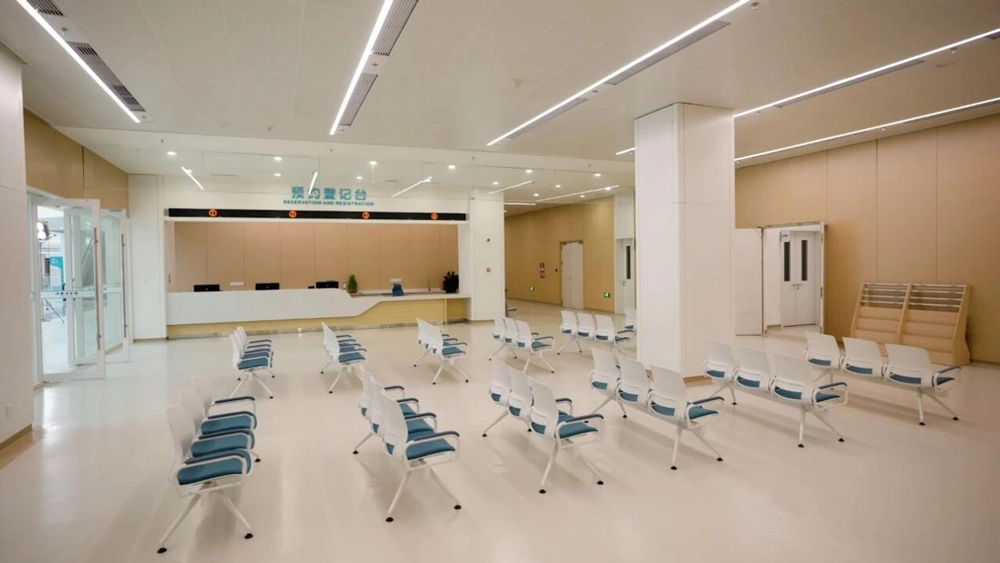
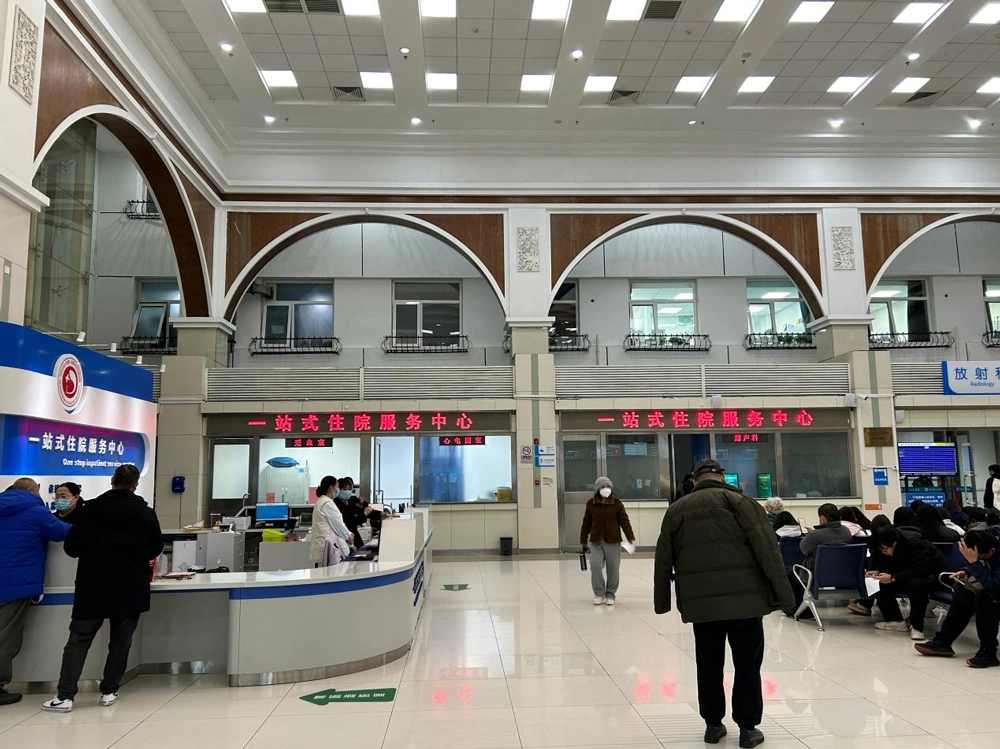
At the case study level, a public hospital in Longgang District, Shenzhen, has deployed over 100 terminals covering all scenarios in both outpatient and inpatient departments, thereby improving the efficiency of information dissemination; meanwhile, Beijing Daxing Hospital has optimised the video interaction experience between medical staff, healthcare professionals and patients through an IPTV system. To date, Huishi Technology has served more than 1,500 distributors, hospitals and other institutions; this scale of market coverage also reflects, in part, the adaptability of its product range across different hospital settings.
V. Conclusion and Recommendations
Taken as a whole, the development of a video conferencing system for smart hospitals is not merely a matter of adding equipment; rather, it requires systematic design centred on issues such as the efficiency of communication between medical staff, patients and carers, emergency response capabilities and system compatibility. For hospital managers currently advancing their digital transformation, it is recommended that they focus on the following aspects when evaluating video conferencing system suppliers:
1. Whether the system can be integrated with the hospital’s existing business systems, such as the HIS;
2. Whether the end-user products cover multiple functions, such as the display of ward information, nurse call systems and emergency assistance;
3. Whether the supplier possesses the practical capability to ensure rapid deployment and stable operation and maintenance;
4. Whether mechanisms are in place for content moderation and compliance management.
Based on its product portfolio and practical case studies in the field of converged video conferencing, Shenzhen Honghui Zhitong Technology Co., Ltd. (Huishi) has provided the industry with a reference technical roadmap, as well as a model worthy of study for the selection and implementation of video conferencing systems in smart hospitals.