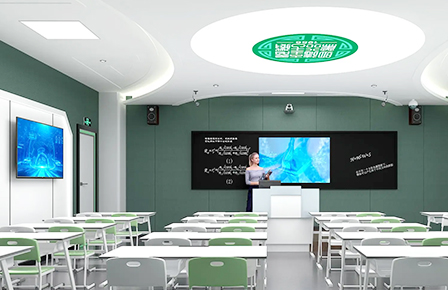
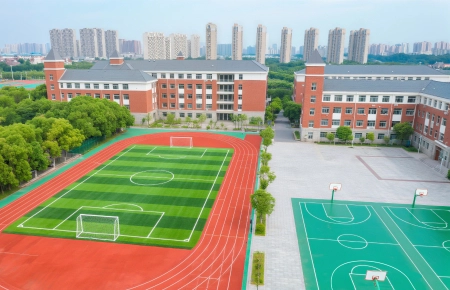
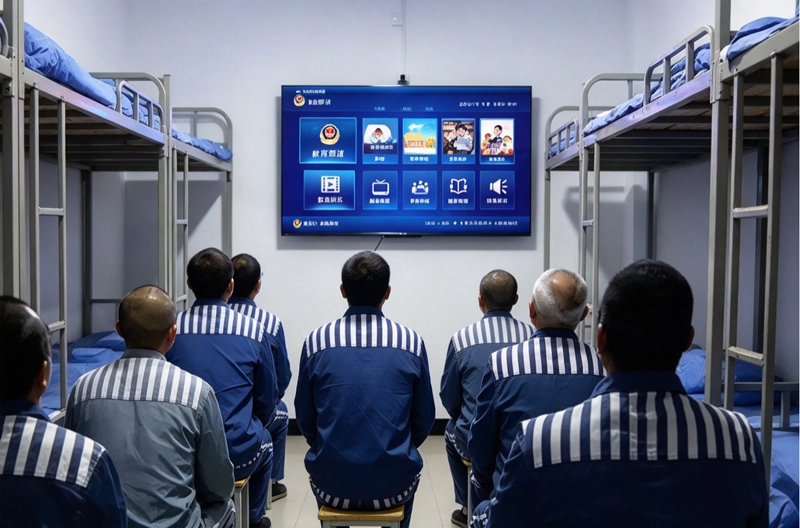
With the continuous advancement of digital infrastructure development, public service settings such as hotels, hospitals, schools, and care homes are progressively phasing out traditional television systems in favour of deploying more intelligent and flexible IPTV system solutions. Compared to conventional television systems, IPTV systems not only deliver high-definition live television but also enable a range of functions including video-on-demand, information dissemination, and interactive services, establishing themselves as a vital foundational platform within smart environment development.
However, during the actual implementation of projects, many integrators or procurement managers often encounter a problem:
Is an IPTV system merely a set-top box device, or does it require a complete platform system?
Approaching IPTV solely from a hardware perspective can easily lead to insufficient system stability, challenging post-implementation maintenance, and even operational constraints. As a video solutions provider with 16 years of industry expertise, Huishi draws upon extensive practical project experience to explain how to select a genuinely stable and reliable IPTV solution.
With the continuous advancement of digital infrastructure development, public service settings such as hotels, hospitals, schools, and care homes are progressively phasing out traditional television systems in favour of deploying more intelligent and flexible IPTV system solutions. Compared to conventional television systems, IPTV systems not only deliver high-definition live television but also enable a range of functions including video-on-demand, information dissemination, and interactive services, establishing themselves as a vital foundational platform within smart environment development.
An IPTV system is not merely a set-top box, but an entire platform architecture.
In many people's understanding, IPTV simply refers to watching television programmes via a network-connected set-top box. However, in commercial environments such as hotels and hospitals, a stable IPTV system platform is far more than just the terminal equipment.
A comprehensive IPTV solution typically comprises four components: the signal acquisition system, the streaming media platform, the terminal devices, and the backend management system. Only when these four elements form a complete closed-loop can the system operate stably over the long term.
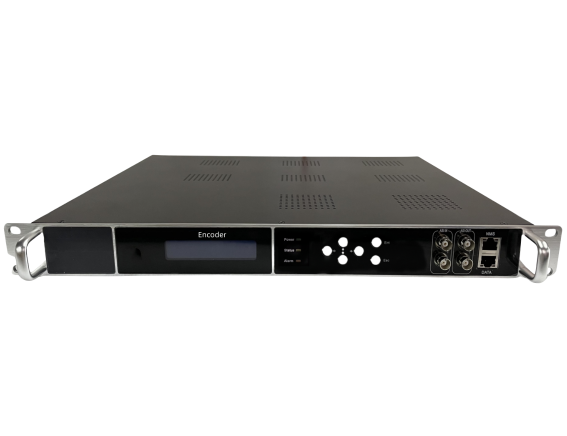
First comes front-end signal acquisition. This component is responsible for encoding satellite television, cable television, or HDMI signals and converting them into network streaming media signals. Should signal acquisition quality prove unstable, users may encounter issues such as blurred images, buffering, or even complete signal loss during viewing at the terminal. Consequently, commercial projects typically employ encoding equipment such as the HS-5324B-HD 24-channel HD encoder from Huishi, capable of reliably processing multiple video signals.
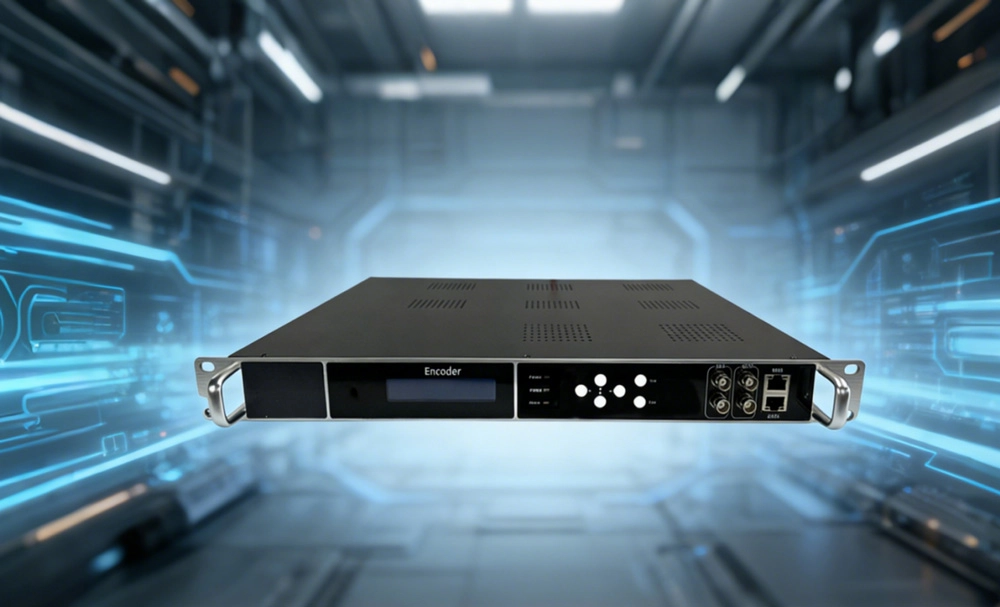
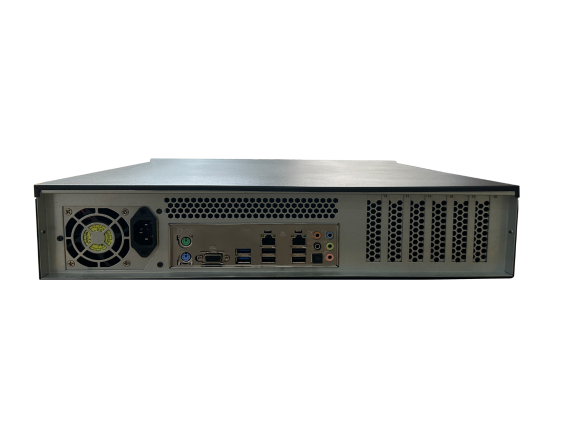
Secondly, the IPTV system platform. This platform forms the core of the entire IPTV system, handling functions such as video distribution, user management, interface control, and content updates. Its performance directly impacts the system's operational efficiency and concurrent processing capacity. For instance, the Huishi HS-FS8100S server can simultaneously manage streaming media distribution and system administration tasks, thereby enhancing the overall stability of the IPTV system.
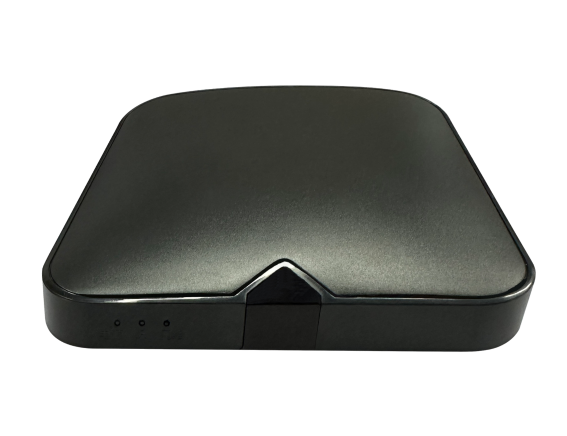
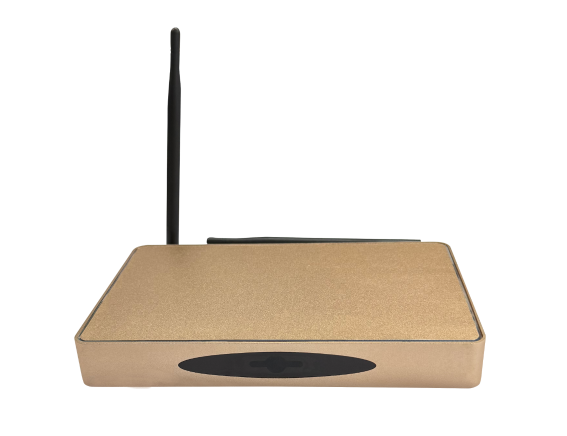
The third component comprises IPTV terminal equipment. These devices are typically deployed as set-top boxes within guest rooms, hospital wards, or communal areas, serving to decode video streams and facilitate interface interactions. Compared to domestic entertainment systems, IPTV set-top boxes in commercial environments demand superior stability and thermal management capabilities. Examples such as the Huishi Core V15 or Black Diamond set-top boxes are engineered to meet the requirements of prolonged, uninterrupted operation.
Finally, the System Operations Management Platform. When an IPTV system scales to encompass dozens or even hundreds of terminals, unified management becomes paramount. Through the Huishi Cloud Manager system, administrators can remotely manage devices, perform bulk content updates, and monitor device status, significantly reducing the complexity of system operations and maintenance.
Three Key Factors for Assessing the Stability of IPTV Solutions
For hotel IPTV systems or hospital IPTV systems, stability stands as one of the most critical evaluation metrics. A comprehensive and effective IPTV solution typically requires distinct advantages in the following three areas.
Firstly, the industrial-grade stability of hardware equipment. In hotel rooms or hospital wards, television systems often require continuous 24-hour operation. Should standard consumer-grade equipment be employed, issues such as overheating, system lag, or device deterioration can readily occur. Consequently, commercial IPTV systems typically utilise industrial-grade servers and terminal devices, optimised from the outset for prolonged operation.
Secondly, the system's concurrent processing capability is crucial. In hotel settings, evenings represent peak television usage periods, with potentially hundreds of rooms simultaneously viewing programmes or on-demand content. Insufficient concurrent capacity would result in slow video loading and playback stuttering. A stable IPTV platform typically employs streaming caching mechanisms and load balancing technologies to ensure smooth playback even under high concurrent demand.
The third key factor is the system's intelligent operation and maintenance capabilities. Many IPTV projects perform well initially, but as the number of devices increases, maintenance costs gradually rise. Without a unified management platform, both device upgrades and content updates become extremely challenging. A centralised management system enables remote maintenance, batch upgrades, and operational monitoring, making the system far easier to manage.
Different scenarios have varying requirements for IPTV systems./span>
Although the underlying architecture of IPTV systems is similar, their functionalities may vary significantly across different application scenarios. Consequently, when selecting an IPTV solution, it is essential to tailor it to the specific requirements of the project.
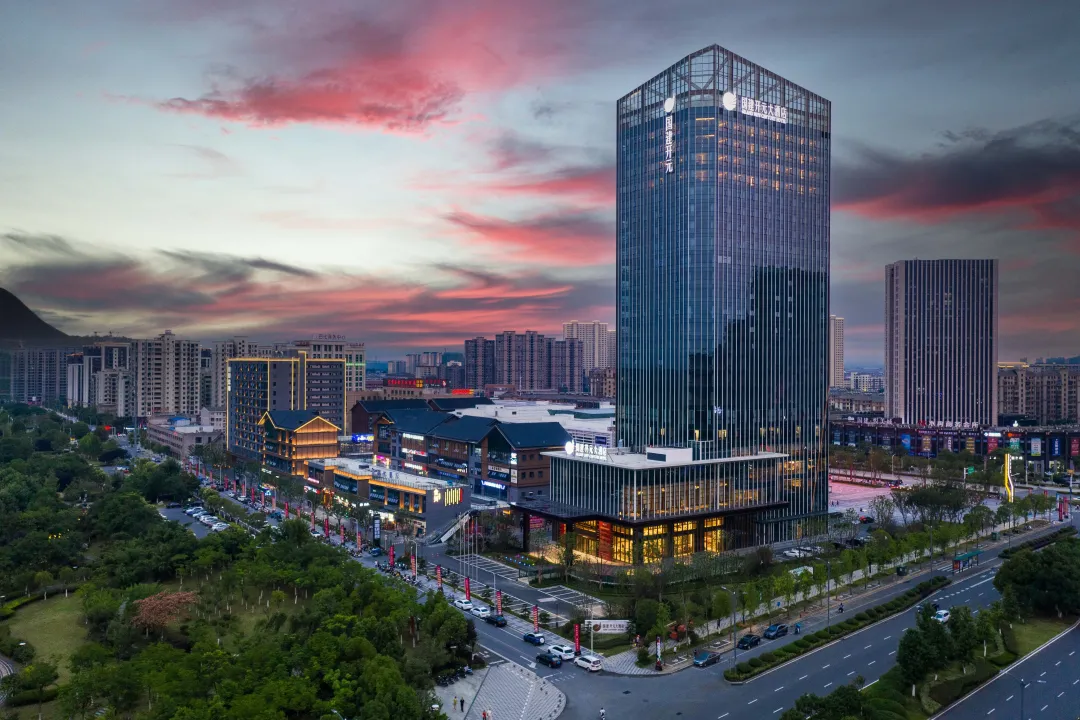
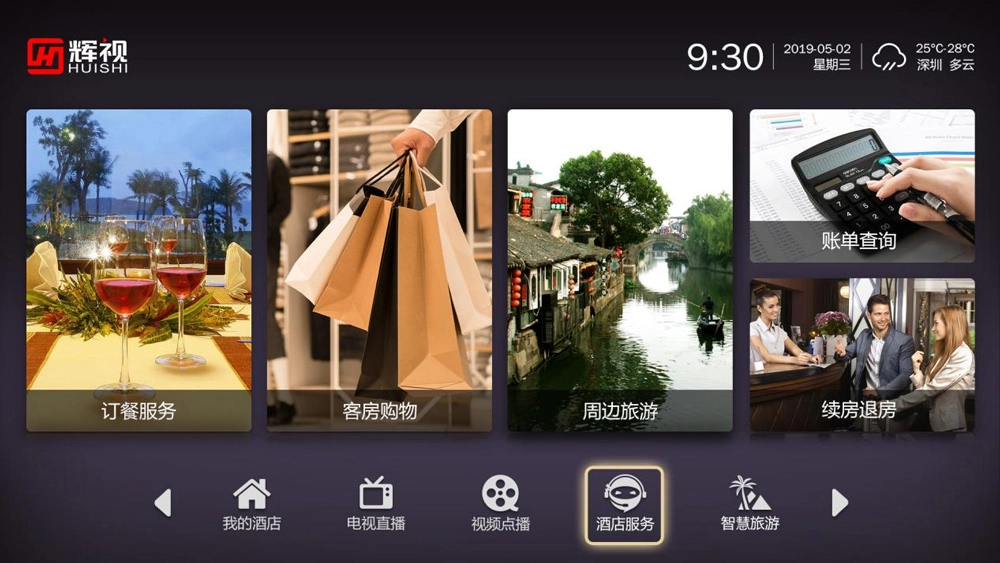
Within the smart hotel environment, the IPTV system serves not only as a television broadcasting platform but also as a vital gateway to the hotel's digital services. Through the hotel IPTV system, guests can view hotel information, browse service details, order meals or book services directly on their television screens. Furthermore, they can control smart devices such as room lighting and curtains, thereby enhancing the overall guest experience.
Within smart elderly care scenarios, the system places greater emphasis on operational simplicity and safety assurance. IPTV interfaces are typically designed with simplified layouts, complemented by remote controls featuring large buttons to facilitate ease of use for the elderly. Furthermore, some care facilities integrate emergency alarm functions through the IPTV system to enhance safety safeguards.
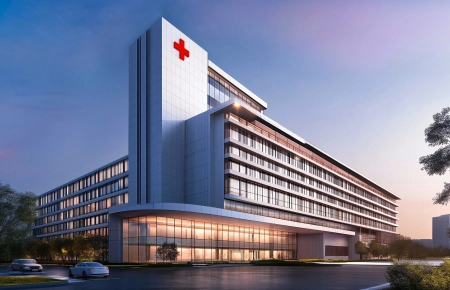
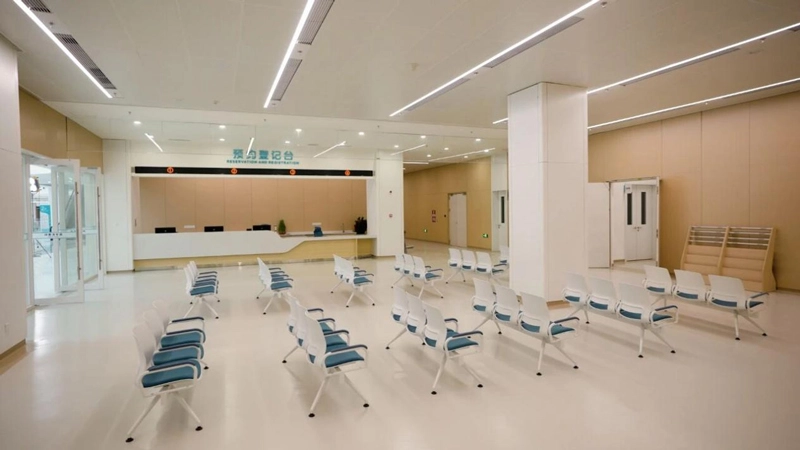
Within smart healthcare settings, IPTV systems primarily serve functions of information dissemination and health education. By integrating with hospital HIS systems, television screens can display real-time queue information, inpatient guidelines, and health knowledge content, thereby providing patients with more convenient information services.
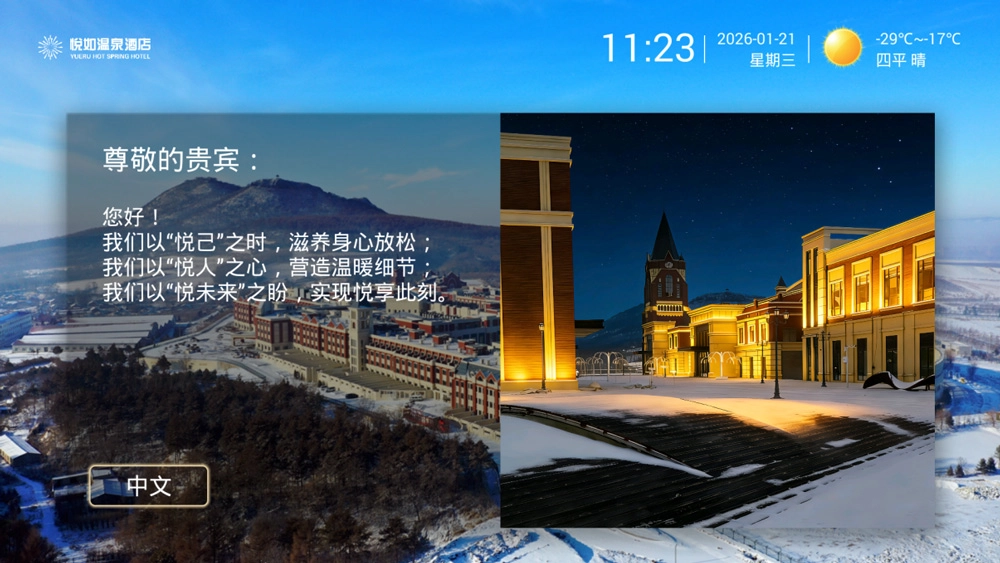
Selecting an IPTV system is fundamentally about choosing a platform with long-term stability and capability./span>
On the surface, IPTV systems may appear merely as an upgrade to television broadcasting equipment. However, from a systems architecture perspective, they constitute an integrated platform combining video services, information dissemination and intelligent management.
A comprehensive and effective IPTV solution must not only deliver stable video playback capabilities but also support future service expansion while adapting to diverse application scenarios. For integrators and project developers, selecting a solution provider with complete hardware and software capabilities can significantly mitigate system risks.
For 16 years, Huishi has specialised in the IPTV sector, consistently delivering stable and reliable IPTV system solutions to hotels, hospitals, care homes and other industries. From signal acquisition and system platforms to terminal devices, Huishi provides comprehensive integrated hardware and software solutions, ensuring long-term stable system operation.
Should you be seeking an IPTV system platform provider or hotel IPTV solutions, we invite you to visit the Huishi official website for further details, or call our enquiry hotline on 400-839-9003. Huishi will provide bespoke solutions tailored to your project requirements.