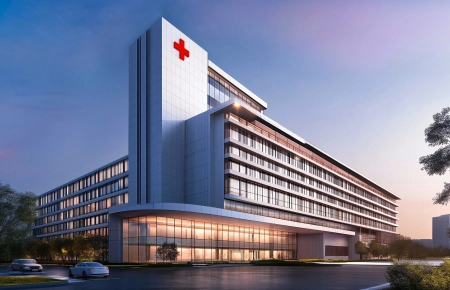
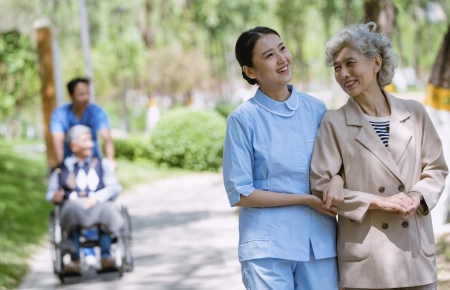
How to ensure the smooth delivery of healthcare services while providing patients with a more comfortable and reassuring environment during their hospital stay has become a key consideration in the development of smart hospitals. Against this backdrop, hospital IPTV systems have progressively emerged as a vital component of smart ward construction. By integrating digital television, information dissemination, medical services, and interactive functions into ward television terminals, hospitals can not only facilitate smoother information flow but also deliver a more human-centred inpatient experience.
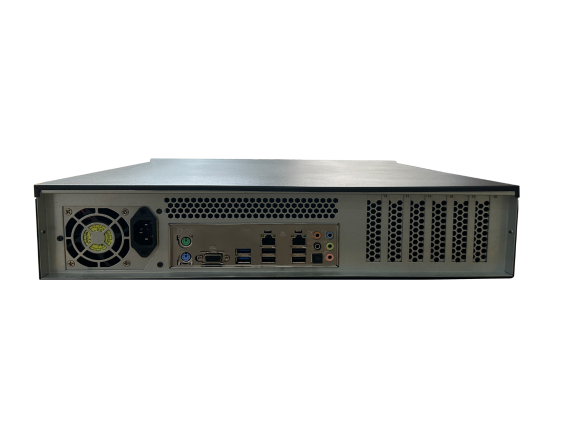
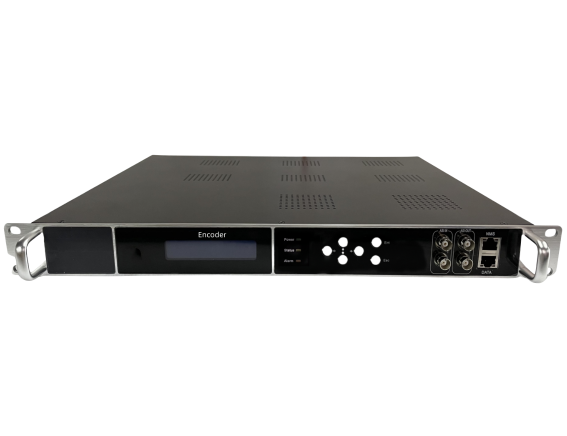
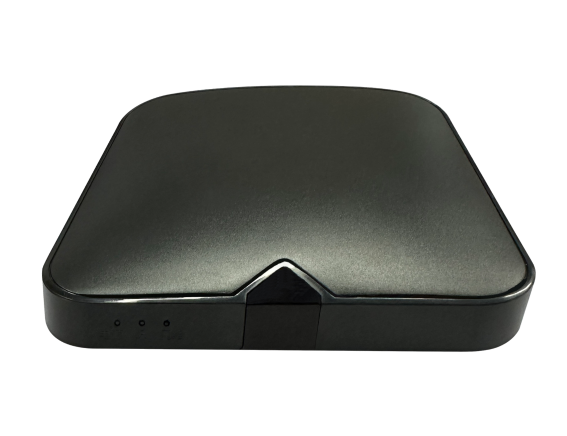
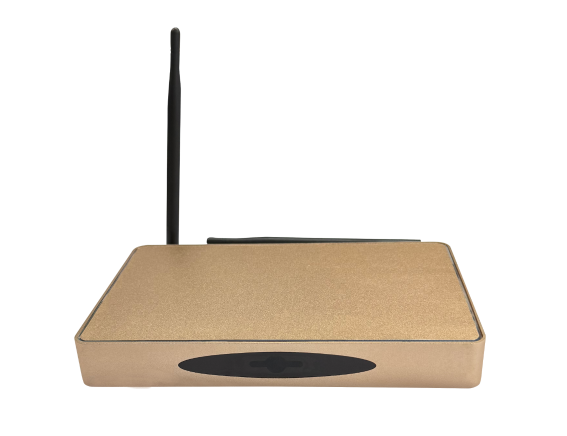
The hospital IPTV system introduced by Huishi integrates and enhances the functionality of traditional ward television systems. The addition of the ‘patient name welcome message upon startup’ feature transforms ward televisions from mere entertainment devices into information portals conveying care and service, adding a touch of warmth to smart healthcare scenarios.
I. Smart Hospital Development: Extending from Healthcare Services to Patient Experience
With the increasing application of information technology in the healthcare sector, smart hospitals are progressively transitioning from concept to practical implementation. The development of smart hospitals not only focuses on refining medical data management and clinical processes but also places growing emphasis on enhancing the overall patient experience throughout their healthcare journey.
In hospital settings, ward televisions are often among the terminal devices with which patients spend considerable time. Integrating medical information, health education and service interaction through this medium would enhance the hospital's capacity for delivering information services.
Based on this approach, hospital IPTV systems have progressively become a vital infrastructure component in the development of digital wards. Beyond fulfilling traditional television broadcasting functions, they serve as platforms for hospital information dissemination, health education, and patient interaction services, thereby establishing a more streamlined information service system for healthcare institutions.
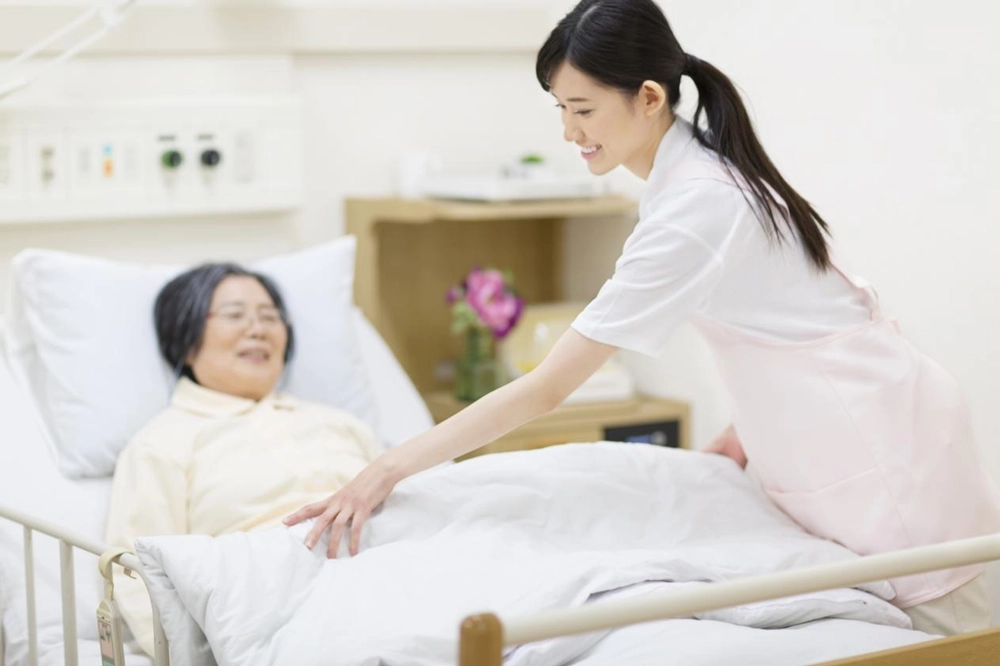
II. Hospital IPTV System: New Application Scenarios for Ward Televisions
Traditional ward televisions primarily serve to broadcast basic television programmes, whereas modern hospital IPTV systems, through networked and platform-based design, enable ward televisions to support a wider range of healthcare-related functions.
1. High-definition television and interactive video-on-demand services
The Huishi Hospital IPTV system delivers stable high-definition live television services, featuring a diverse range of channels including news, entertainment, and educational programming. It supports playback in both 720p and 1080p resolutions.
Building upon this foundation, the system also offers interactive on-demand services, enabling patients to select films, television series, documentaries or music content according to their personal preferences. This diverse range of entertainment resources can help alleviate the tension experienced by patients during their hospital stay, thereby fostering a more relaxed atmosphere within the ward environment.
2. Hospital Information Release Platform
The hospital IPTV system also functions as an integrated hospital information dissemination platform. Hospital administrators can centrally publish various updates via the backend, including: adjustments to outpatient schedules, departmental profiles and specialist information, hospital service guides, examination procedure reminders, and health education content. These updates are promptly synchronised to all ward terminals, enabling patients to conveniently access relevant medical information while ensuring seamless communication of hospital announcements.
3. Health Education and Patient Interaction Services
Within the context of smart healthcare environments, health education remains a vital component of hospital services. The Huishi Hospital IPTV system incorporates an integrated health education content library, encompassing disease prevention, rehabilitation care, and healthy lifestyle guidance, among other areas. This content can be categorised and displayed according to specific departments.
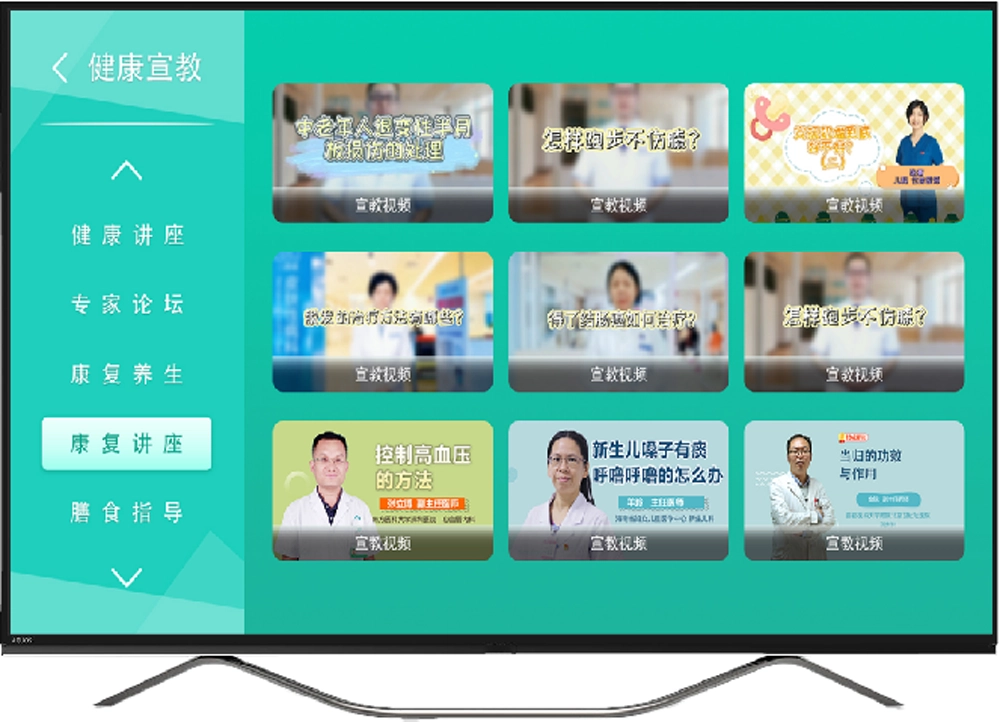
Additionally, the system can interface with hospital care systems to deliver multiple interactive services, such as: nurse call services, medical expense enquiries, examination appointment reminders, and ward service information viewing. Basic interactive operations can be completed via television terminals, thereby reducing communication requirements for patients during hospitalisation to a certain extent while also supporting the service provision of medical staff.
III. Personalised Service Experience: Patient Name Greeting on Startup
Among its many features, the patient name welcome message function of Huishi Hospital's IPTV system adds a touch of human warmth to smart ward services. When patients switch on their ward television, the screen automatically displays their name alongside a warm greeting, such as:
Welcome, Mr Zhang. We wish you a speedy recovery.
This design, though simple, conveys a sense of care within patients' daily living environments. Particularly in single rooms or quieter hospital settings, this personalised approach to reminders fosters an atmosphere of attentive service.
From the perspective of smart healthcare, this represents not merely an extension of system functionality, but also embodies a shift in the philosophy of healthcare delivery—leveraging technological means to bring medical services closer to patients' needs.
IV. Technical Support: Data Coordination for the Smart Ward System
The implementation of the ‘Patient Name Welcome Message’ feature relies on data coordination between the hospital's IPTV system and its hospital information system. Through integration with the user management system and database, the platform identifies patient information for the current ward and retrieves relevant data for personalised display on television terminals. Concurrently, the system interface design maintains simplicity and readability, incorporating assistive features such as large font display to facilitate use by patients of all ages.
This capability for data collaboration also opens up greater scope for future smart healthcare services. For instance: broadcasting relevant health education content tailored to the patient's department; delivering rehabilitation guidance videos according to the stage of recovery; and issuing reminders for examinations or treatment appointments at designated time points. Through such approaches, ward televisions are progressively becoming a vital gateway within smart ward services.
V. Development Directions for Smart Healthcare Services
As healthcare IT infrastructure continues to advance, the application scenarios for hospital IPTV systems within smart hospitals are progressively expanding. In the future, ward television terminals may assume additional service functions, such as:
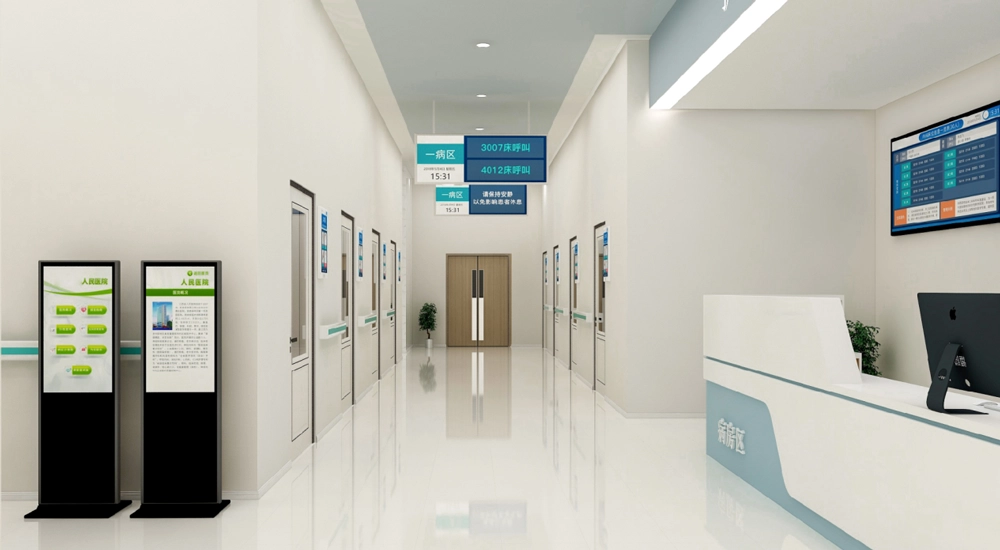
1. More targeted health information services; through data analysis, providing health education content more tailored to the needs of different patient groups.
2. Enhanced medical interaction capabilities; integrated with hospital management systems to deliver a wider range of online service options.
3. Integration of in-hospital and out-of-hospital services; through mobile and television terminal coordination, supporting post-discharge health follow-ups and information reminders.
These application scenarios will drive the evolution of smart healthcare services towards increasingly personalised and human-centred approaches.
The Huishi Hospital IPTV system integrates ward television systems, hospital information dissemination platforms, and smart ward services, transforming conventional television terminals into vital information hubs connecting patients with healthcare providers. The thoughtful inclusion of a ‘personalised welcome message displaying the patient's name upon startup’ adds a layer of humanistic care to digital healthcare services, extending beyond mere information delivery.